
How to Report Animal Abuse in the U.S. (Wildlife Focus)

Wildlife tourism and animal encounters have become increasingly popular across the United States, especially experiences involving exotic species like sloths. While many facilities prioritize animal welfare, conservation, and education, others operate with little or no oversight which puts animals at risk. Visitors looking to see the animals they love can end up leaving these encounters feeling uneasy and unsure whether the unethical conditions that they witnessed were even legal.
This guide will help you confidently identify and report concerns regarding captive wildlife and exotic animals, such as sloths, commonly seen in zoos, animal parks, and roadside attractions, but not for domesticated animals or pets. Recognizing red flags, and knowing where to turn for wildlife abuse, reporting can help protect vulnerable animals and support responsible facilities.
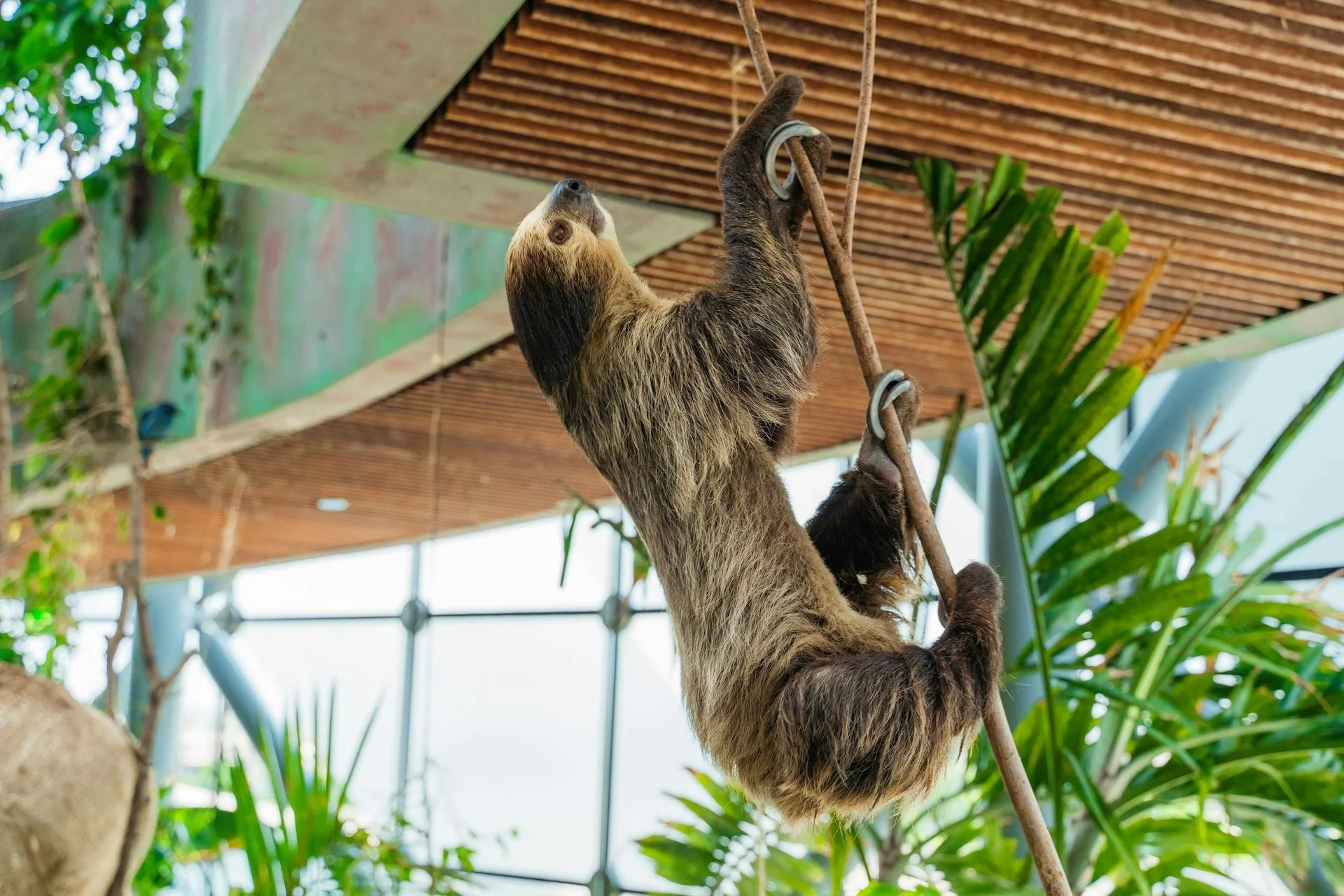
Understanding Wildlife Abuse
In order to report animal abuse, it is important to make sure you know what to look out for. Wildlife and exotic animal abuse does not always look like obvious physical harm. In many cases, it can involve subtle but serious welfare concerns related to housing, handling, diet, and medical care. Familiarizing yourself with these red flags will help you make informed decisions about wildlife encounters and know when wildlife abuse reporting may be appropriate.
Legal Abuse vs. Welfare Concerns: What’s the Difference?
When evaluating wildlife facilities, it’s important to understand the difference between legal animal abuse and animal welfare concerns. While all abuse is a welfare issue, not all welfare concerns are considered illegal.
In the United States, laws like the Animal Welfare Act (AWA) set minimum standards of care for animals in captivity, including basic requirements for housing, food, water, sanitation, and veterinary care. Facilities that fail to meet these minimum standards may be in violation of the law and subject to investigation.
However, some conditions that appear concerning may still fall within legal limits. For example, inadequate enclosure design or limited space may negatively impact an animal’s well-being but may not meet the legal threshold for abuse.
Understanding this distinction can help guide your response:
Legal violations should be reported to authorities.
Welfare concerns may be better addressed through accrediting bodies like the Association of Zoos and Aquariums (AZA) or through advocacy efforts.
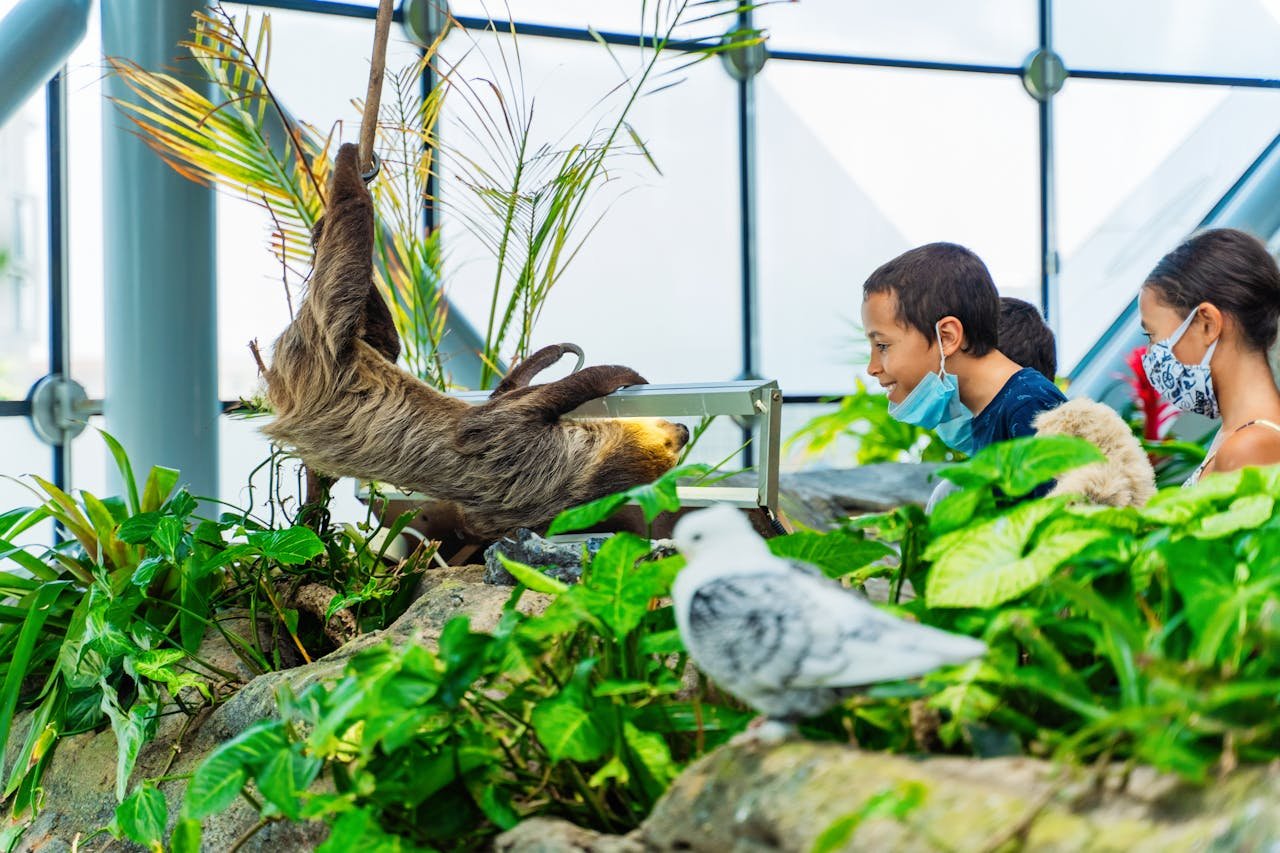
What Should I look for?
These common warning signs do not automatically mean abuse is occurring or that a legal violation has taken place, but that they may warrant further review by proper authorities.
Improper housing:
Wild animals require species-specific environments. For example, sloths need vertical climbing space, controlled temperature and humidity, and opportunities to rest undisturbed. Wild animals in ethical conditions should be afforded the choice to hide and have a space in their enclosure that feels safe for them to get away. Enclosures that are too small, barren, overcrowded or lack natural elements may raise concerns.
Lack of veterinary care:
Visible wounds, signs of malnutrition, untreated illness, or animals that appear consistently lethargic can indicate insufficient medical oversight.
Excessive handling or public interaction:
Some facilities rely heavily on hands-on animal encounters. Wildlife used for constant photo opportunities or frequent public handling may experience chronic stress. Animals showing avoidance behaviors, aggression, or repetitive movements, like pacing (sometimes called stereotypic behaviors), may be experiencing distress.
Unsanitary conditions or improper diet:
Dirty enclosures, lack of clean water, or feeding practices that do not align with a species’ natural diet can negatively impact long-term health.
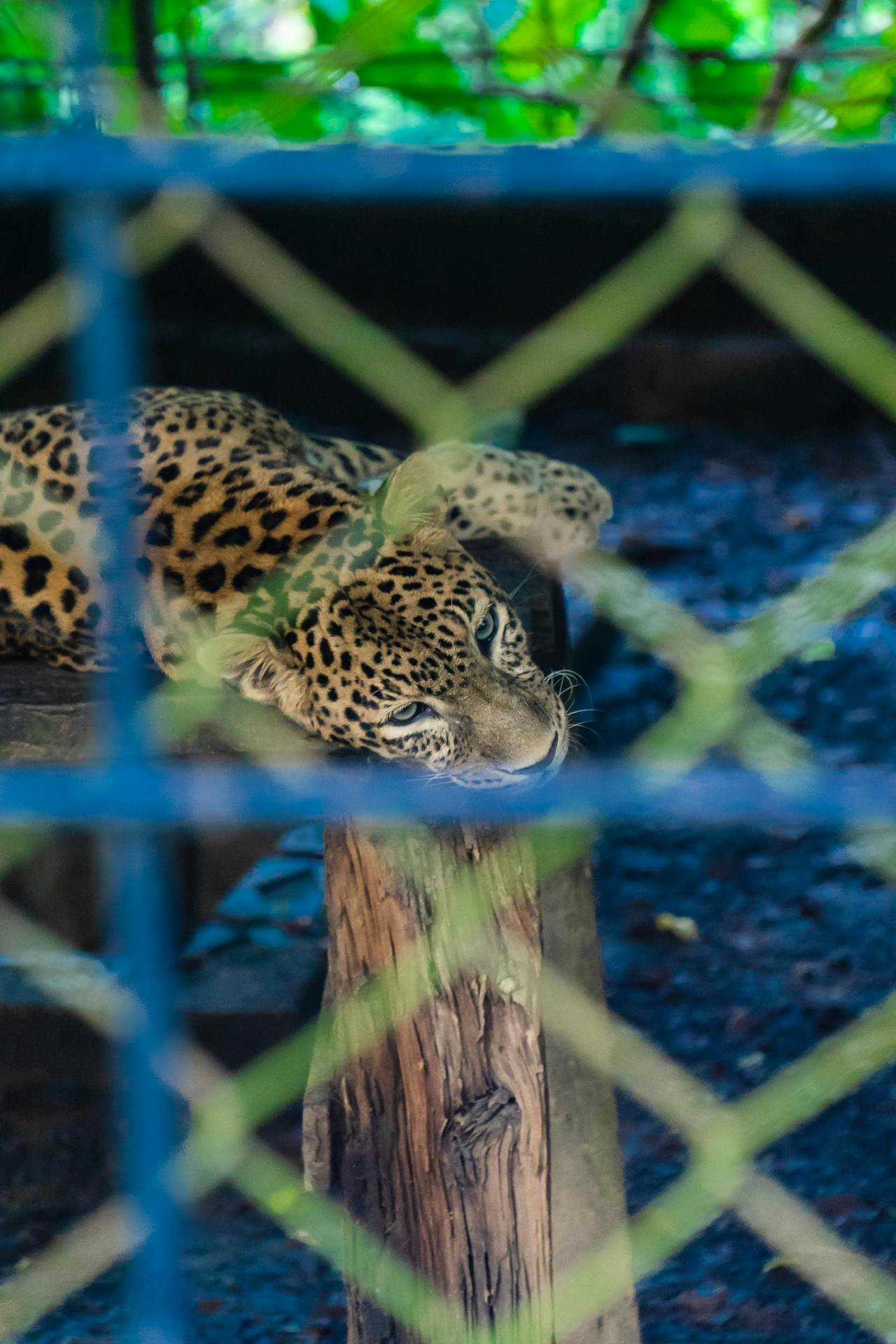
Accredited vs. Roadside Zoos:
It’s important to understand the difference between accredited vs roadside zoos. One way to evaluate a facility is to determine whether it is accredited by a recognized organization such as the Association of Zoos and Aquariums (AZA). AZA accredited facilities undergo regular third-party inspections and must meet established standards for animal care, conservation, veterinary oversight, and staff training.
In contrast, “roadside zoos” or small private animal attractions may not be subject to the same level of independent review. These facilities often emphasize close-contact experiences and photo opportunities. While not all non-accredited facilities provide inadequate care, the absence of accreditation means there is less external oversight.
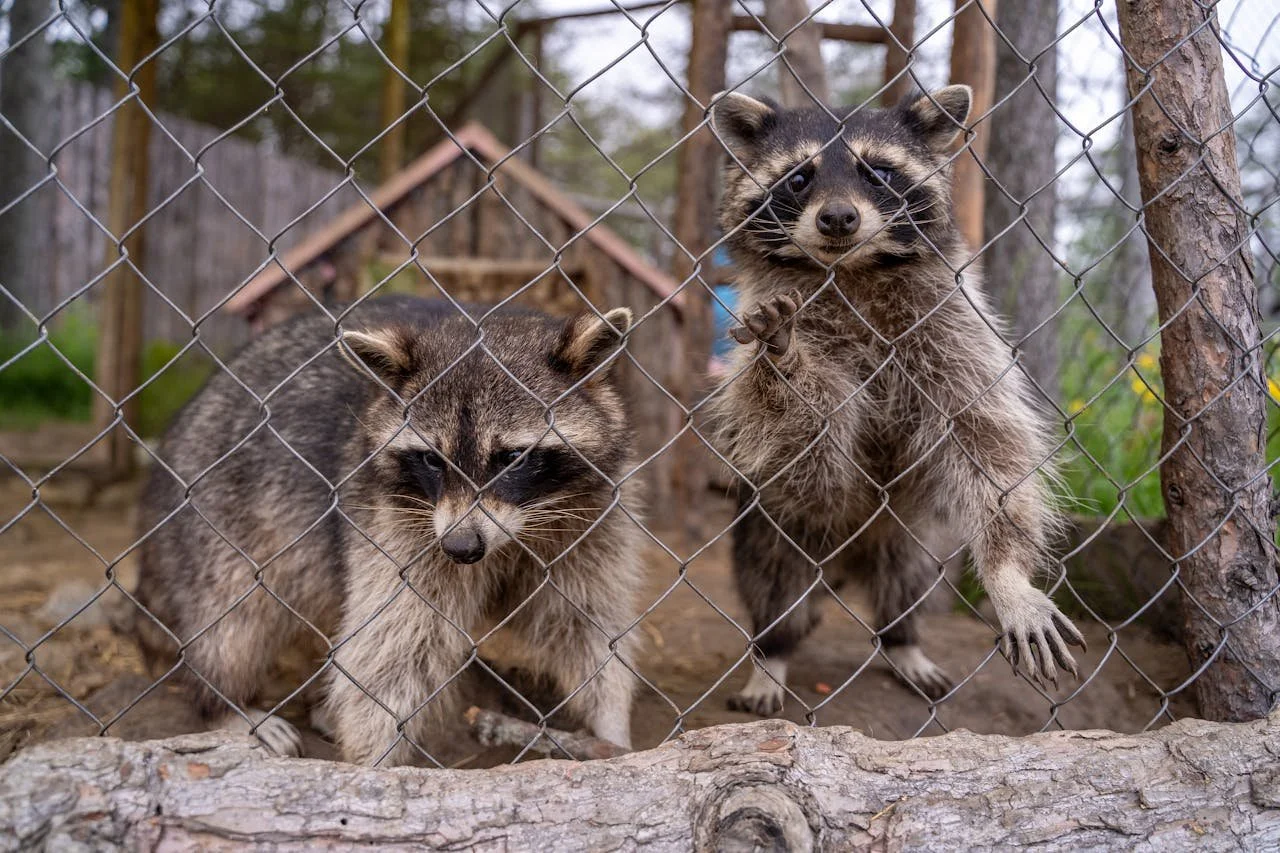
Understanding the difference between accredited vs roadside zoos can help visitors assess whether a facility prioritizes animal welfare and conservation or primarily focuses on entertainment and profits.
How to Identify a Responsible Wildlife Facility?
Before participating in an animal encounter, consider asking the following:
Is the facility accredited or transparent about its standards of care?
AZA accreditation can often be found displayed on a facility’s website or onsite at their entrance. If you are unsure, you can find a list of all the currently AZA accredited facilities on their website.
Are animals given rest periods away from the public?
When in an enclosure, animals should have the ability to get out of public view whenever they choose. An enclosure that prioritizes public viewing causes chronic stress, often resulting in stereotypical behaviors that can lead to injury or illness. If an animal is offered for a public encounter out of their enclosure, body language can tell you a lot about their comfort level with the experience. An animal that appears overly still, or frozen, may be experiencing extreme stress and need to be removed from that situation.
Does staff provide accurate educational information about the species?
A facility that offers little or no educational information about the species they house may be more interested in the entertainment value of the animal and not the welfare and conservation of the species.
Is conservation and habitat protection part of the facility’s mission?
Look for information about the conservation initiatives that the organization contributes to. Transparency is key, some organizations will post an annual report or impact report listing where their funds are spent. For others you can talk to staff or docents to get a better idea of if they are focused on profit over conservation.
Do the animals appear calm and able to engage in natural behaviors?
Healthy animals should exhibit varied behaviors and have several options to engage in different natural behaviors. Any repetitive behaviors or unnatural behaviors are indicators of stress.
Responsible wildlife experiences should prioritize animal well-being over constant interaction. If conditions raise concerns, understanding how to report animal abuse in the US can help ensure wildlife, especially vulnerable species like sloths, receive appropriate protection.
Reporting Animal Abuse in the U.S.
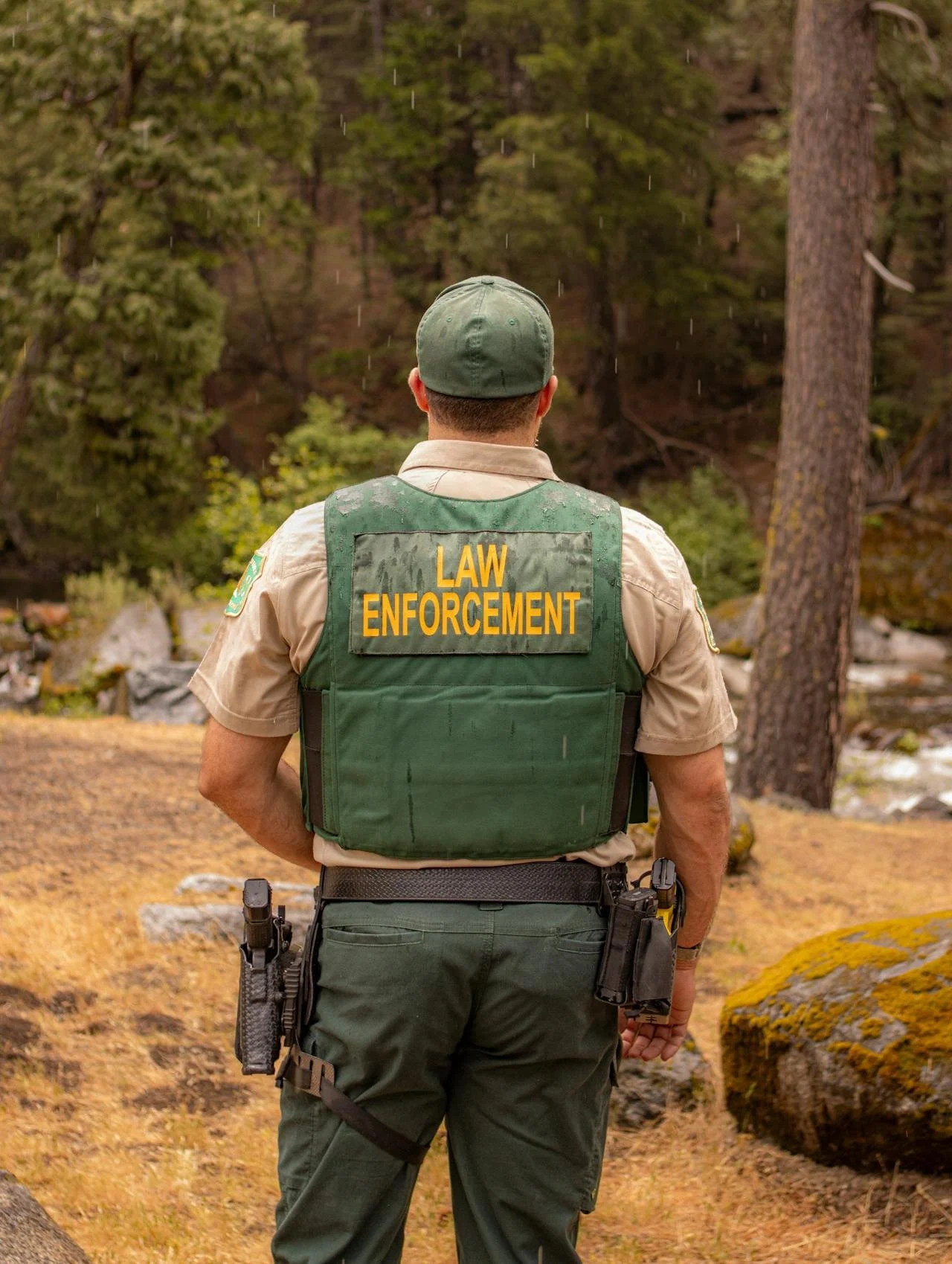
If you suspect wildlife or exotic animal abuse, it is important to report concerns to the appropriate authorities rather than confronting a facility directly. In the United States, oversight of wildlife and exotic animals involves both federal and state agencies.
Federal Oversight and Regulations:
At the federal level, certain wildlife crimes fall under the jurisdiction of the US Fish and Wildlife Services (USFWS). The agency enforces laws related to endangered species, illegal wildlife trade, trafficking, and violations of federal wildlife protections. Suspected violations can be reported through the USFWS “Report a Wildlife Crime” page or their wildlife crime hotline.
FWS TIPSs line: 1-844-FWS-TIPS (1-844-397-8477)
Many zoos and exotic animal facilities are regulated under the Animal Welfare Act (AWA), which sets minimum standards for the care, housing, transportation, and veterinary treatment of certain animals. The AWA is enforced by the U.S Department of Agriculture (USDA), and complaints regarding licensed facilities can typically be submitted through USDA Animal care.
Federal agencies generally handle cases involving interstate commerce, endangered species, or federally licensed exhibitors.
State-Level Agencies and Variations:
In addition to federal oversight, each U.S state has its own wildlife agency responsible for enforcing state-specific animal welfare and wildlife protection laws. These agencies may be a Department of Fish and Wildlife, Department of Natural Resources, or a similar title depending on the state.
Because laws and reporting procedures vary, it is important to contact the agency responsible for the state where the facility is located. Many state agencies provide online complaint forms or hotlines for reporting suspected wildlife abuse.
Practical Steps for Reporting Suspected Wildlife Abuse:
If you believe wildlife abuse may be occurring, taking the following steps can help ensure your report is effective:
Document what you observed:
Gather as much information as possible, including dates, location, names of the facility, and specific observations. Photos or videos may be helpful if obtained legally and safely.
Contact the appropriate authority:
Determine whether the situation falls under federal jurisdiction (such as endangered species or federally licensed exhibitors) or state oversight. When in doubt, you can contact your state wildlife agency, which may direct you to the correct office.
Submit a detailed report and follow up if necessary:
Provide clear, objective descriptions of what you observed. Avoid speculation and stick to observable facts. Some agencies may allow anonymous reporting. If you do not receive confirmation, you may follow up through official channels.
Reporting concerns through proper authorities helps ensure that trained investigators can assess the situation and determine whether violations of wildlife protection laws have occurred.
What Happens After You File a Report?
After you submit a report of suspected wildlife abuse, the responsible agency will review the information to determine whether further investigation is necessary. Depending on the situation, the case may be handled by federal authorities such as the U.S. Fish and Wildlife Service or by a state wildlife agency.
If the concern involves a facility licensed under the Animal Welfare Act, investigators may review the complaint, examine any documentation provided, and potentially conduct an inspection of the facility. In some cases, agencies may coordinate with other regulatory offices if multiple laws or permits are involved.
It is important to understand that investigations can take time, and agencies may not always be able to share updates with the person who filed the report due to privacy or legal restrictions. However, submitting accurate and detailed information helps authorities assess whether violations of wildlife protection or animal welfare laws may have occurred.
Additional Resources:
Report a Wildlife Crime (Federal):
U.S Fish and Wildlife Service:
https://www.fws.gov/story/how-report-wildlife-crime
https://www.fws.gov/wildlife-crime-tips
1-844-FWS-TIPS (1-844-397-8477)
This page explains how to report suspected wildlife crimes such as illegal trafficking, poaching, or violations involving protected species. The agency investigates these reports and may use tips from the public to initiate investigations.
File a Complaint About Animal Welfare:
USDA Animal Care:
https://www.aphis.usda.gov/awa/regulatory-enforcement/complaint
This form allows individuals to report concerns about facilities regulated under the Animal Welfare Act, including zoos, exhibitors, breeders, and research facilities. Reports can include details about the animals, the facility conditions, and the date of the incident.
Find Your State Wildlife Agency:
USDA Wildlife Services- State Offices Directory:
https://www.aphis.usda.gov/wildlife-state-offices
U.S. Department of Agriculture, Animal and Plant Health Inspection Service. "File an Animal Welfare Complaint."
https://www.aphis.usda.gov/animal-care/awa-services
Verify Accredited Zoos:
Association of Zoos and Aquariums- Accredited Zoo and Aquarium Directory
https://www.aza.org/inst-status
This searchable directory allows visitors to verify whether a zoo or aquarium is accredited. AZA-accredited facilities undergo detailed inspections and must meet established standards for animal welfare, veterinary care, and conservation programs.
Notable nonprofits that investigate animal abuse or advocate for animal welfare:
These organizations investigate cases, advocate for stronger wildlife protection laws, or help raise awareness about unethical wildlife attractions.
Wildlife encounters can be meaningful educational experiences when they are rooted in respect, conservation, and proper animal care. However, not all facilities operate with the same standards. Understanding the difference between responsible, accredited zoos and facilities that may prioritize entertainment over welfare is an important step in protecting animals like sloths and other exotic species.
If you witness conditions that raise concern, knowing how to report animal abuse in the US empowers you to take responsible action. By recognizing potential warning signs, documenting what you observe, and contacting the appropriate authorities, you can help ensure that concerns are reviewed by those equipped to investigate.
Choosing ethical wildlife experiences and speaking up when something feels or looks wrong can make a meaningful difference. Bad actors looking to capitalize on attracting large crowds to engage in “close encounters” with exotic species not only impact the animals in their care but can cause a direct negative impact on their wild counterparts. We see this with sloths, for example, that are being taken from the wild to meet the demand for encounters in the US. Public awareness and responsible reporting are important and both play a role in encouraging higher standards of care and protecting wildlife for the future.
References
U.S. Fish and Wildlife Service. "Wildlife Crime Tips."
https://www.fws.gov/wildlife-crime-tips
U.S. Fish and Wildlife Service. "How to Report a Wildlife Crime."
https://www.fws.gov/story/how-report-wildlife-crime
U.S. Department of Agriculture, Animal and Plant Health Inspection Service. "File an Animal Welfare Complaint."
https://www.aphis.usda.gov/awa/regulatory-enforcement/complaint
U.S. Department of Agriculture, Animal and Plant Health Inspection Service. "Animal Care (Animal Welfare Act Services)."
https://www.aphis.usda.gov/animal-care/awa-services
U.S. Department of Agriculture, Animal and Plant Health Inspection Service. "Wildlife Services State Offices."
https://www.aphis.usda.gov/wildlife-state-offices
Association of Zoos and Aquariums. "Accredited Zoos and Aquariums Directory."
https://www.aza.org/inst-status
