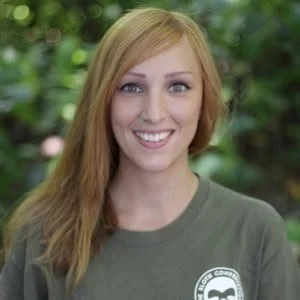
I have no idea where to begin with a recap of this year. I know we say this every year, but 2026 really has been a big one. A bit of a pinch-me year actually! When I founded The Sloth Conservation Foundation almost ten years ago, it was with a dream to do whatever I could to protect sloths in the wild (where they belong). I had no idea what that would involve, where it would take me, or whether any of it would actually work. I just knew I had to try.
2026- Impact In Numbers
SLOTHS Act Introduced into the U.S. Congress
46 New wildlife bridges installed
1,200+ Trees planted
3,000+ Wildlife crossing events recorded
17 Wild sloths monitored
280 Children reached
60 Tour guides certified
21 Organizations we worked with
If you'd told me back then that less than ten years later I'd have a team of 15 people working alongside me, and that we'd have built our very own sloth conservation headquarters in the Costa Rican rainforest, I'd probably have told you to stop being silly. But somehow, that's exactly where we are!
Our conservation projects are now gaining international recognition; we're working with people and organisations all over the world, and this year we somehow found ourselves at the forefront of the fight to end the international sloth trade. All of this culminated in October, when we stood alongside members of the U.S. Congress to introduce new federal legislation to ban the commercial importation of sloths into the United States. What a way to head into our 10th anniversary!
Of course, it hasn't all been smooth sailing. Alongside the highs, we've had plenty of lows and days when nothing went to plan. Some moments have been comical, some dangerous, and others downright heartbreaking. Although after almost ten years of working in conservation, I think we're getting fairly used to that part!
So, before we head into 2027 and celebrate SloCo's 10th birthday (HOW has that happened already?!), I wanted to look back at some of the moments that made 2026 a year we'll never forget.
We introduced the SLOTHS Act!
This could be the single most important thing we've ever done for sloths. Over the past 30 years, the international trade in wild-caught sloths has been steadily growing. Wild sloths are legally captured from the rainforest, shipped to the United States, and sold to zoos and other places to be put on display or used for entertainment. It's a horrific industry that we've wanted to tackle for years, but as a small conservation organisation in Costa Rica, taking on the international wildlife trade always felt a little beyond our reach.
Then came Sloth World Orlando. Earlier this year, we learned that more than 58 sloths had died in appalling conditions at a facility in Florida. We couldn't just sit back and watch it happen, so together with our friends at The Sloth Institute we decided to do something about it.
What followed was several months of madness. We became undercover investigators, detectives, activists, influencers and everything else in between. It took over pretty much every waking moment of our lives, but eventually all the hard work paid off. The facility closed, and the surviving sloths were surrendered to safety. The whole thing was horrible on so many levels, but it also gave us an opportunity we never imagined we'd have. Suddenly, people were paying attention to the sloth trade, and we had a chance to do something about the bigger problem.
Together with my friend and colleague Sam Trull, and our teams at The Sloth Conservation Foundation and The Sloth Institute, we formed the Sloth Protection Alliance and made ending the commercial sloth trade our shared mission. We knew what needed to happen, we just needed to convince the right people to make it happen!
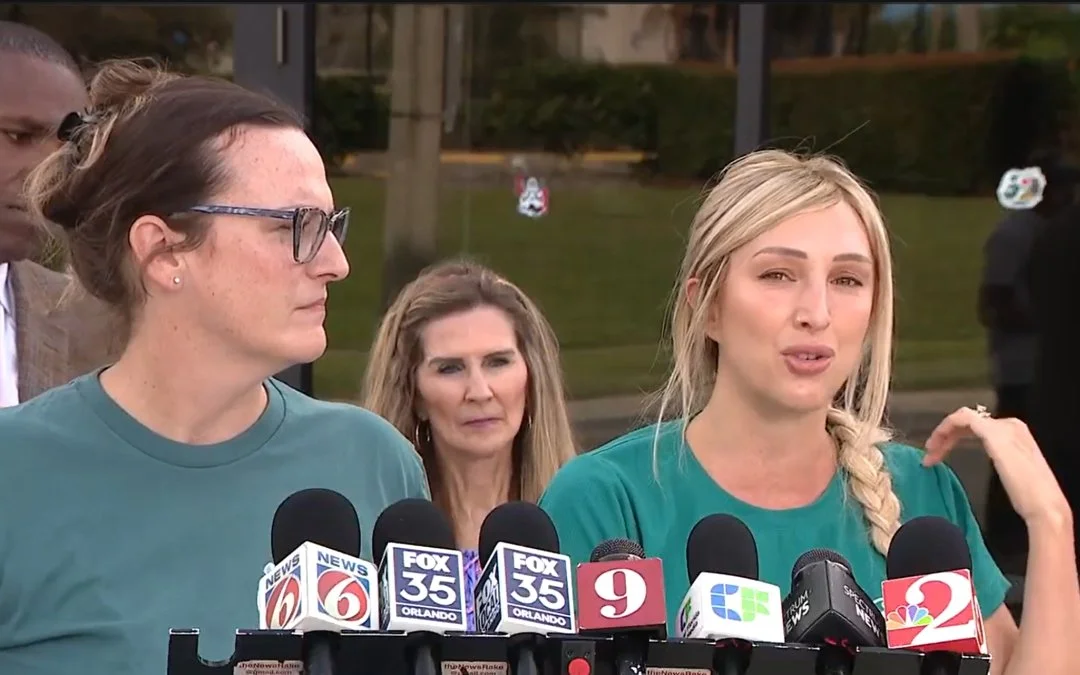
Somehow, just five months later, on October 20th (International Sloth Day!), Sam and I found ourselves standing alongside Congressman Maxwell Frost and Congresswoman Laurel Lee in Orlando, officially announcing the introduction of the SLOTHS Act! This bipartisan legislation (H.R. 10867) will permanently ban the commercial importation of live sloths into the United States.
NONE of this was on our to-do list for 2026. Possibly the biggest curveball we've ever had! But I'm so proud of our teams and everyone who helped us get this far.
Of course, introducing a bill and getting it passed into law are two very different things. We've still got a lot of work ahead of us, but we've made it further than I ever thought possible, and we're not stopping now! If you live in the United States, we'd love your help! We need people to contact their representatives and ask them to support the SLOTHS Act. We've made it really easy, so just follow the link below to find everything you need.
Science, sloths and some exciting discoveries
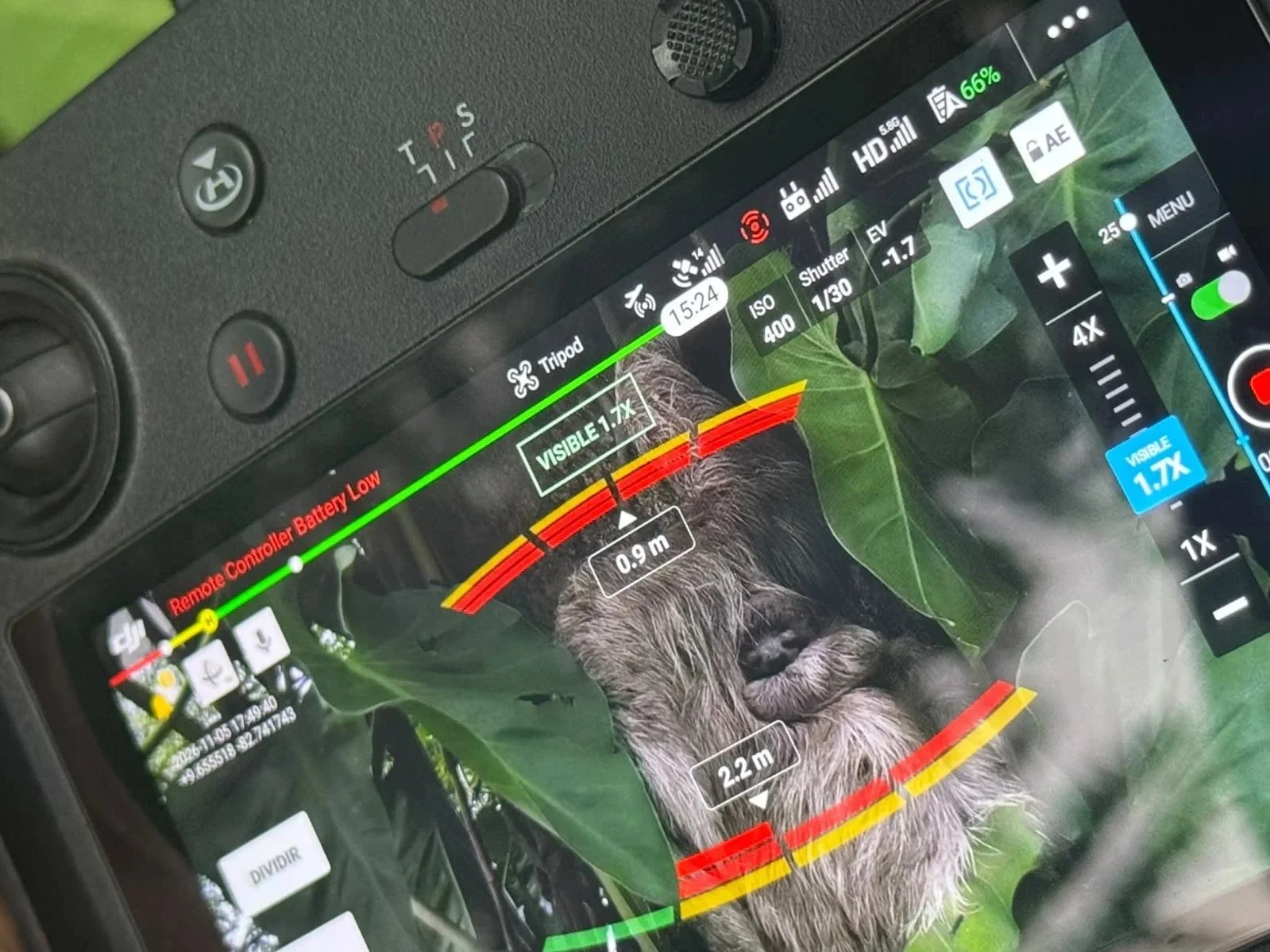
While all of this was going on, our research team was busy doing what they do best: spending extraordinary amounts of time staring up into trees looking for sloths! This year we completed the first stage of our Great Sloth Census by collecting data from 14 different locations across Costa Rica to help us better understand where sloths are living, how their populations are doing, and what they need to survive - and we've already uncovered some surprising results!
Our Urban Sloth Project also continued to grow, with some new faces joining the study and a few familiar ones finally getting to retire their tracking collars! We're starting to see some really interesting results from this project too, with sloths living in urban environments behaving quite differently from those living in undisturbed primary forests. We're still crunching the numbers to understand exactly what's happening and why, but we're slowly piecing together the puzzle of how sloths are coping with human disturbance.
And then there was Martita! Martita is one of the wild sloths we've been following, and earlier this year her GPS data revealed that she'd crossed a busy highway on the ground, carrying her tiny newborn baby! Not exactly the sort of thing you want to discover when you're responsible for keeping an eye on her. But because we had the data to show exactly where she'd crossed, we were able to get permission to install a wildlife bridge over the road. Within 24 hours, howler monkeys were already using it, and not long afterwards, Martita herself crossed safely above the traffic. For me, this was one of those moments that perfectly sums up why we do what we do. Science is wonderful, but using science to make a difference is even better!
And the science didn't stop there! We carried out our first ever in-field sequencing of a sloth genome, teamed up with Brown University to begin a range-wide genetic study of sloths (including the survivors from Sloth World!), published new research into male sloth speculums, and travelled to Colombia to present our work at a VI Colombian Congress of Mammalogy.
Reconnecting forests and bringing people together
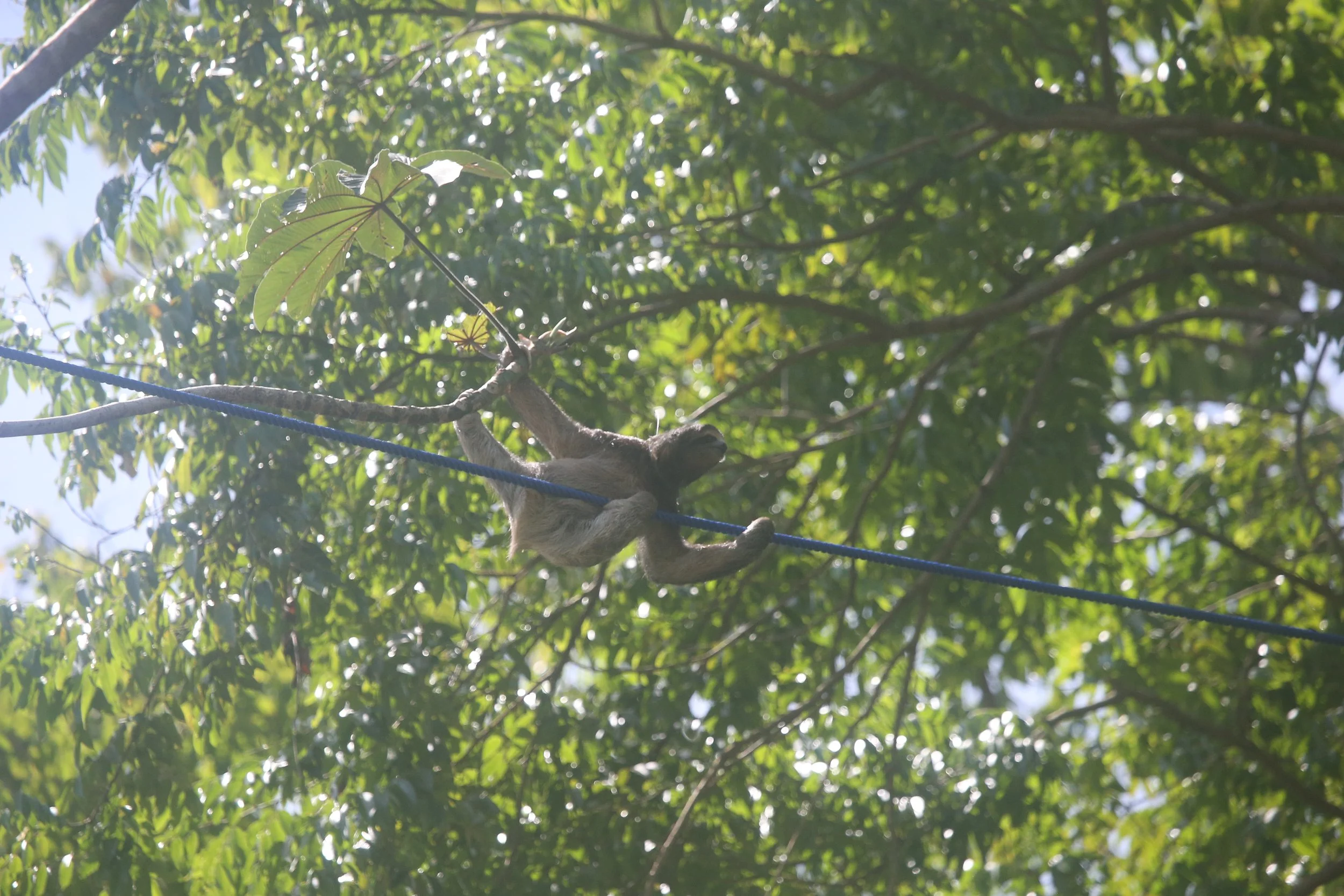
Our Connected Gardens team had another enormous year! What started as a simple idea to reconnect fragmented forests has now grown into the world's largest network of wildlife canopy bridges, with over 400 bridges installed, 14,000 trees planted, and more than 1,000 local landowners working with us to make their properties safer for wildlife. Together we've helped reconnect over 8,000 hectares of forest, and our camera traps have now recorded more than 9,000 crossings by sloths, monkeys, kinkajous, and all sorts of other animals. We've recorded an 82% reduction in wildlife conflict incidents in the areas where we've been working!
This year we also installed our very first Lifetime Bridge, a 50-metre wildlife crossing made from recycled fibre optic cables and designed to last for decades! We expanded our work into new communities, including collaborations with Indigenous families in the Kéköldi Territory, and even started taking our approach to forest connectivity beyond Costa Rica.
Working with our partners at Instituto Preguiça de Coleira, 30 new wildlife bridges have now been installed to help protect maned sloths in Brazil! We also provided their team with specialist climbing equipment to help them install more bridges and expand their work in the years ahead.

Maned sloths . Praia do Forte, Brazil
And people are starting to take notice! In March, we travelled to Scotland after Connected Gardens was selected as one of just three global finalists for the prestigious St Andrews Prize for the Environment. We didn't take home first place, but seeing a project that started in our little corner of Costa Rica recognised on an international stage was a special moment.
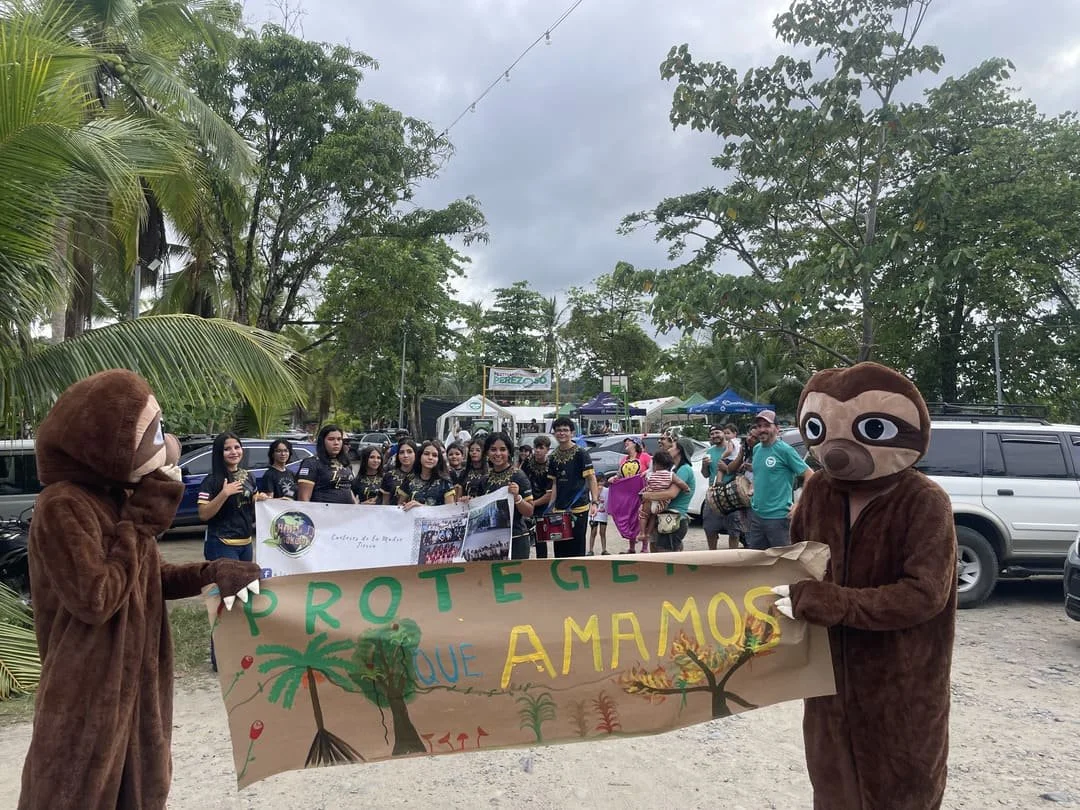
Our community work was just as busy. We trained 60 local tour guides in sloth biology and responsible wildlife tourism, launched our very own ethical sloth tours, and in October hosted our third International Sloth Festival in Puerto Viejo! Three days of science, art, music, activities, and of course, lots and lots of sloths. I think one of the things I'm most proud of is how many people are now involved in making all of this happen. From families planting trees in their gardens to communities helping us reconnect entire ecosystems, it's a nice reminder that conservation is about bringing people together to make a difference.
Some very difficult days
Unfortunately, 2026 came with its fair share of challenges. We experienced the coldest and wettest 3 months for over 30 years on Costa Rica's Caribbean coast and it took a terrible toll on some of the sloths we monitor. Our team found Pati and Bruce in serious trouble and had to intervene to save their lives. We also sadly lost Elliott and Nigel to the cold weather.
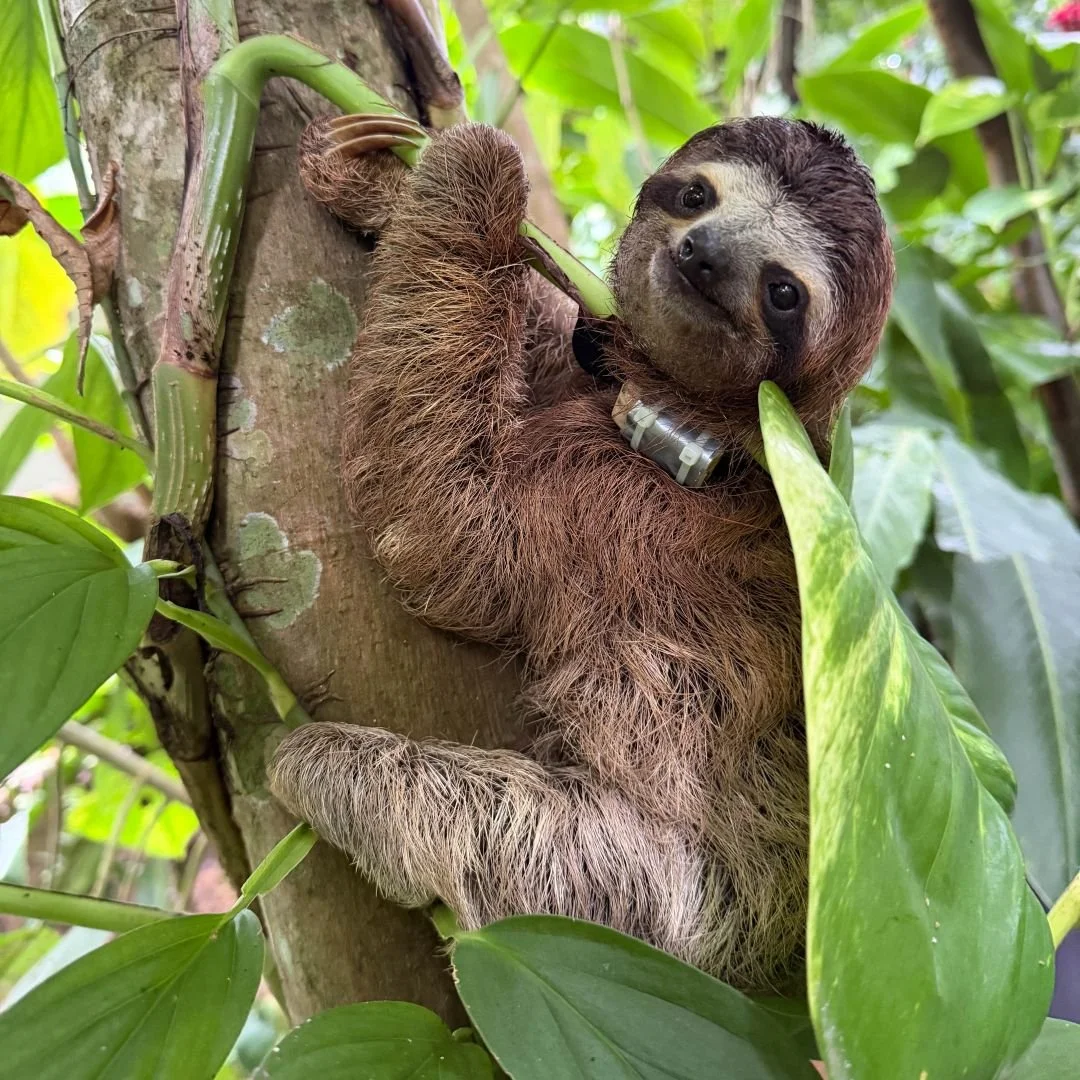
Elliot
As scientists and conservationists, I know we're not supposed to get too emotionally attached to the animals we work with, but when you spend months or even years following individual sloths it's almost impossible not to. You get to know their favourite trees, their daily routines, their personalities, and all the little things that make each one unique. When something happens to one of them, it really does feel like losing a member of the family. It's one of the hardest parts of this work and something I don't think I'll ever get used to.
We finally have a home of our own!
Now for something that, just like ending the sloth trade, has always felt like a far-off, almost impossible dream. But 2026 seems to have been the year of dreams coming true, and there's no better example than finally having a permanent home for Team Sloth!
Our new headquarters are finished, and we're moving in!
When SloCo first started, our team meetings happened in tiny rented apartments, and our first tree nursery was built in someone's backyard. Over the years, we've moved from one rented space to another, always trying to squeeze our growing team, equipment, research projects, and thousands of baby trees into whatever space we could find!
Having a permanent home of our own was always the dream, but for a long time it felt very far away. Well, after years of planning, fundraising, construction, a few landslides, and even an earthquake (seriously!), we've finally done it. We now have our very own headquarters in the Costa Rican rainforest! SloCo HQ is a place where our team can work together, where we can finally put down some roots (quite literally!), grow thousands of trees, carry out research, welcome collaborators, and bring our local community together. With plenty of room to grow, it's a place where we can keep building on everything we've worked so hard to achieve over the past ten years.
To everyone who helped make this possible, THANK YOU! You've given us something that will make an enormous difference to our work for many years to come, and we can't wait to show you what we do with it!
An unexpected honour
And finally, this year I received the wonderful news that I have been nominated for the 2027 Indianapolis Prize Emerging Conservationist Award! It's an enormous honour, but although the nomination has my name on it, it’s not really about me. It’s a recognition of everything we have built together, and all the people who have helped along the way.
Here's to the next ten years!
Looking back at everything that's happened, I think what makes 2026 so special is seeing how far we've come. We started with a handful of volunteers and a little tree nursery in someone's backyard, and now we have our own headquarters in the rainforest. We began by trying to understand the lives of wild sloths, and now our research is helping influence national policy and planning. After years of feeling powerless against the international sloth trade, we're now helping to change the laws that allow it to happen.
None of this would have been possible without our wonderful team, our partners, and all of you who have supported us along the way.
Whether you've donated, sponsored a wildlife bridge, adopted a sloth, joined our Sloth Fellowship, volunteered, or simply shared our work with a friend, you've played a part in making all of this happen. I hope you feel as proud of these achievements as I do!
Next year, SloCo turns 10! We've got some very exciting plans, some ambitious new projects (as always), and probably a few more curveballs waiting for us along the way. But if the last ten years have taught me anything, it's that you can achieve some extraordinary things when enough people care about making a difference. So thank you for being part of this journey and I really can't wait to see what we can achieve together next!
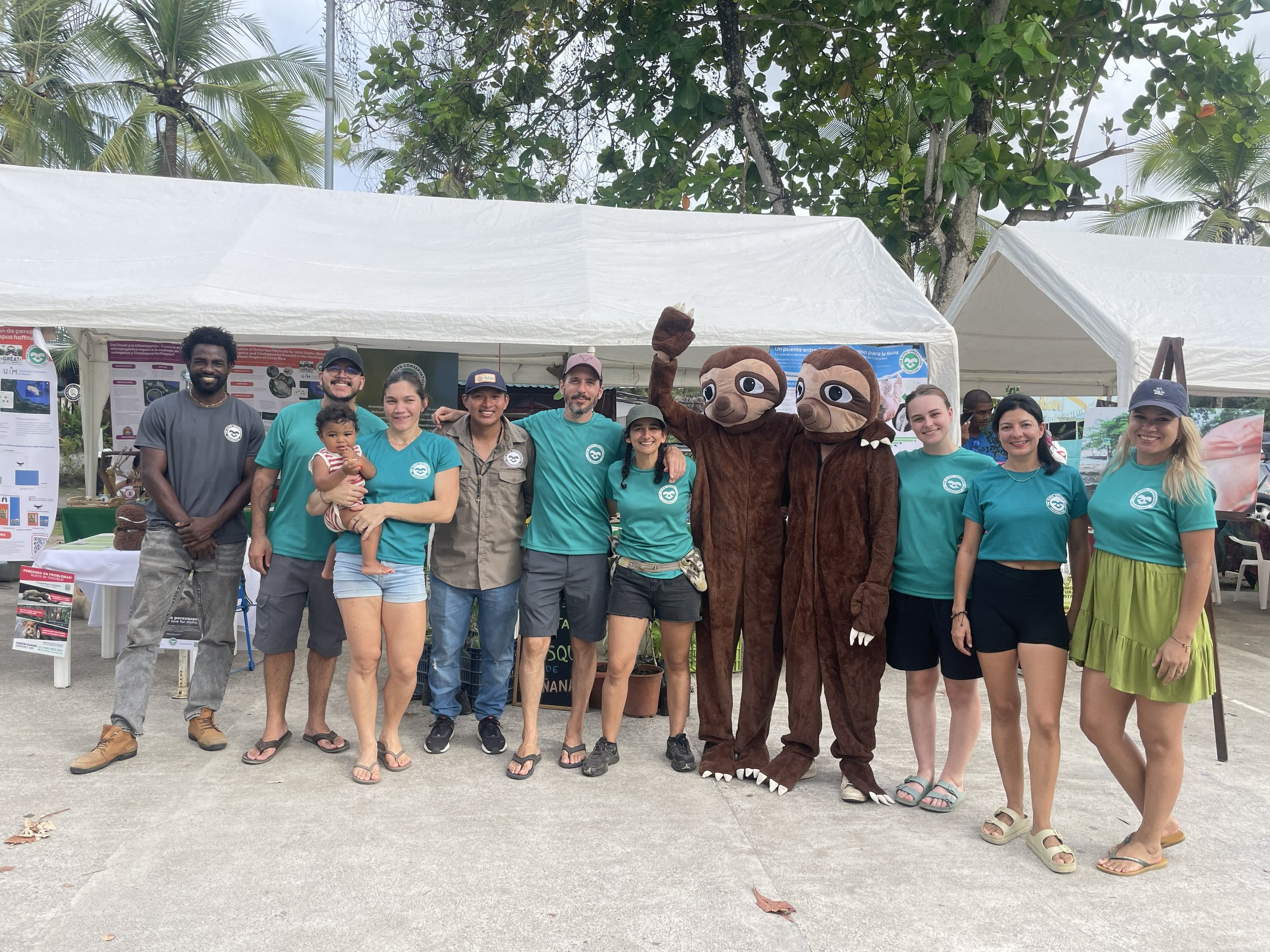
Here's to another ten years of keeping sloths wild and free!
All the best from the jungle (where the sloths belong),