
How to Choose an Ethical Wildlife Tour: A Guide to Responsible Wildlife Tourism
Wildlife tourism is one of the fastest-growing sectors of global travel. Every year, millions of people travel to see animals in their natural habitats, from whales and gorillas to birds, sea turtles, and sloths.
When done responsibly, ethical wildlife tourism can become one of conservation's greatest allies. It creates jobs, supports local communities, funds scientific research, and gives forests and other natural habitats a measurable economic value.
But not every wildlife tour is ethical. In many destinations, some operators put close encounters and social media photos ahead of animal welfare. Animals may be disturbed, manipulated, fed, or even staged simply to guarantee sightings. These practices may create memorable moments for tourists, but they often come at a significant cost to wildlife.
So, how do you know if you're booking a responsible wildlife tour?
What Is Ethical Wildlife Tourism?
Ethical wildlife tourism means observing wild animals while allowing them to behave naturally, with as little human disturbance as possible. The goal is simple: the experience should never compromise the welfare of the animal or its habitat.
Responsible wildlife tours prioritize education, conservation, and respect for wildlife over entertainment or guaranteed photo opportunities.
1. Be Skeptical of Guaranteed Wildlife Sightings
One of the biggest red flags is a company that promises you'll 100% see a particular animal. Wild animals don't work on schedules.
A reputable guide cannot guarantee that a sloth, jaguar, whale, or any other wild animal will appear on demand. If they do guarantee sightings, ask yourself how they are making that promise.
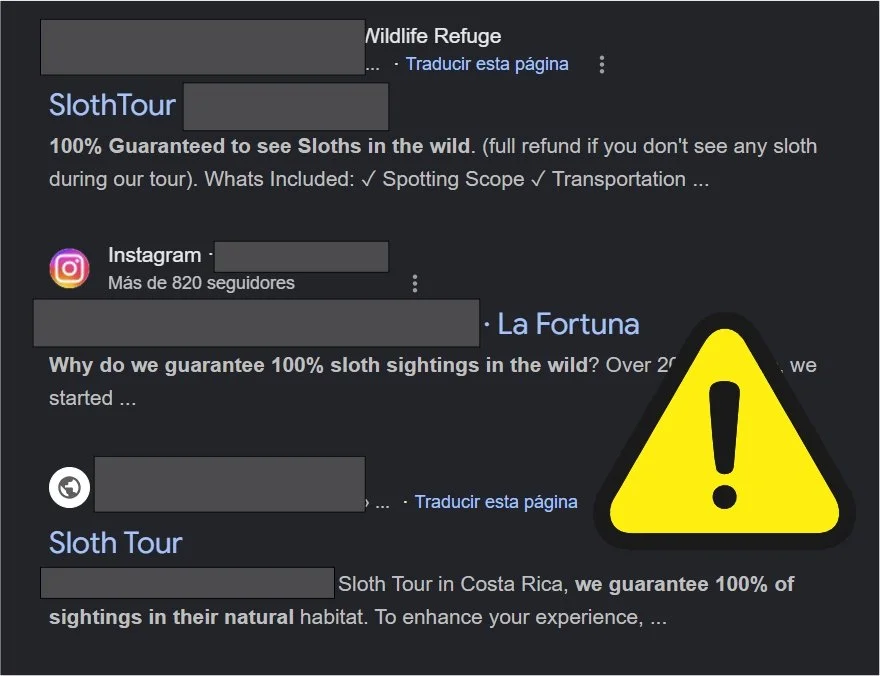
Sloths are being snatched from their habitats to be displayed in many of these trails.
2. Never Support Tours That Feed Wildlife
If a tour encourages feeding animals to bring them closer, choose another operator. Feeding wildlife can change natural behaviors, create dependency on humans, increase disease transmission, increase conflict with people, and make animals more vulnerable to predators or vehicles
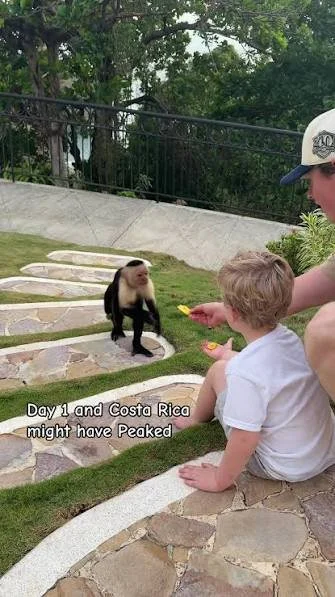
Please don’t do this.
3. Avoid Tours That Disturb Animals
Some unethical guides use techniques to force animals into view or make them look toward the camera. These may include flash photography, loud noises or recorded animal calls, sticks or poles to make animals move, throwing objects near animals, or chasing animals for a better view. If a guide needs to disturb wildlife to create an experience, it's not ethical wildlife tourism.
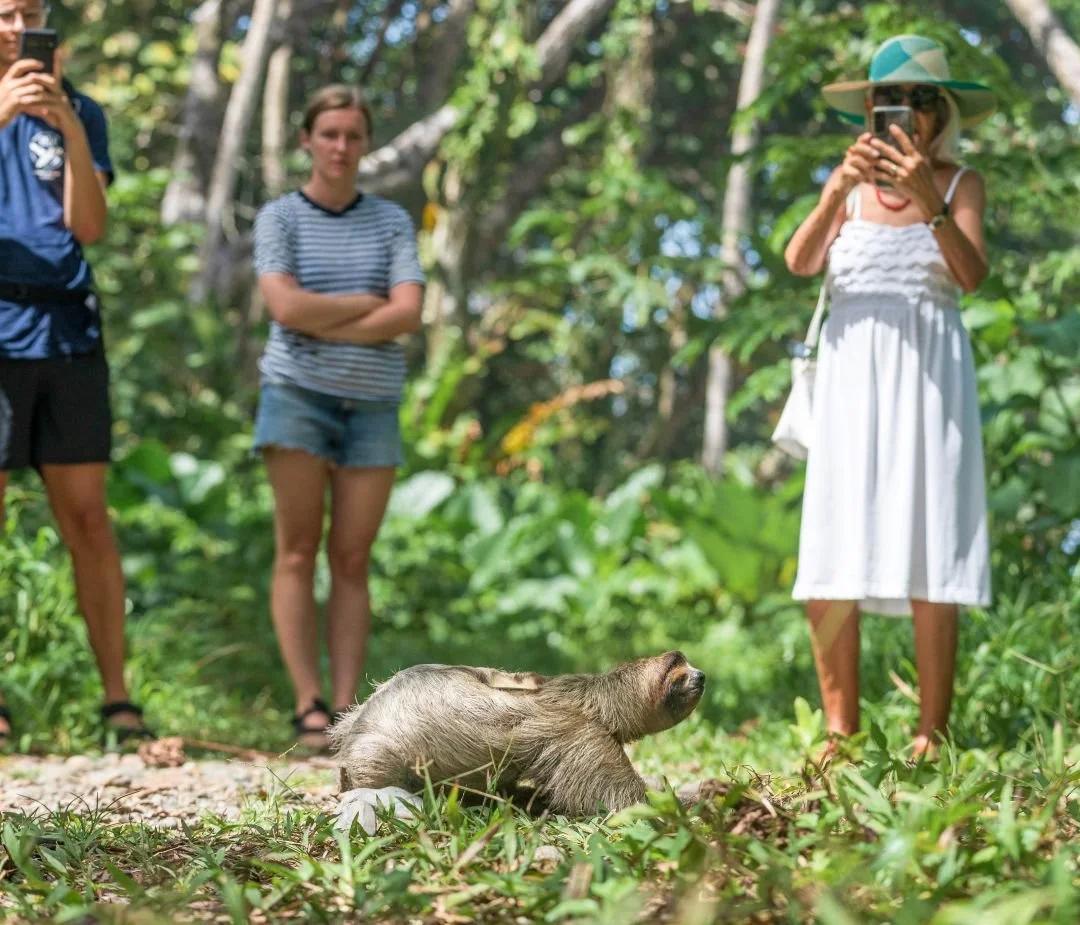
4. Choose Tours That Keep a Respectful Distance
A responsible guide knows that the best wildlife encounters happen when animals don't even notice people are there.
5. Small Groups Are Usually Better
Large groups create more noise, more movement, and more stress for wildlife. Smaller groups generally provide less disturbance, better wildlife viewing, more opportunities to ask questions, and a more personal experience. Quality beats quantity!
6. Look for Guides With Real Wildlife Knowledge
The best wildlife guides aren't just good at finding animals, they're also good educators. Choose operators that employ trained naturalists, biologists, conservationists, or experienced local guides who understand animal behavior and can explain what you're observing.
7. Ask How the Tour Supports Conservation
One of the easiest ways to identify an ethical wildlife tour is to ask a simple question: How does this tour help protect wildlife?
Responsible operators often support conservation organizations, employ local people, contribute to habitat restoration and protection. Your booking should help protect the animals you're coming to see.
Looking for Ethical Sloth Tours in Costa Rica?
If you're planning a trip to Costa Rica and hope to see wild sloths in their natural habitat, we'd love to help.
At The Sloth Conservation Foundation, our tours are designed by scientists and conservationists who have spent years studying wild sloths. We offer an authentic opportunity to learn about sloth ecology, behavior, and conservation while contributing directly to the protection of Costa Rica's forests.
Whether you're traveling solo, with your family, or as part of a larger group, we offer ethical sloth tours for a variety of interests, ages, and budgets.
Explore our responsible wildlife tours and help support sloth research and conservation.
Why Ethical Wildlife Tourism Matters
Wildlife tourism can be an incredible force for conservation. Communities that benefit economically from healthy ecosystems have stronger incentives to protect forests, rivers, reefs, and the wildlife that depends on them.
But this only works if tourism is built around respect for wildlife, not exploitation. Every visitor has the power to support businesses that protect nature instead of harming it. The choices you make when booking a tour send a powerful message about the kind of tourism you want to see grow.
