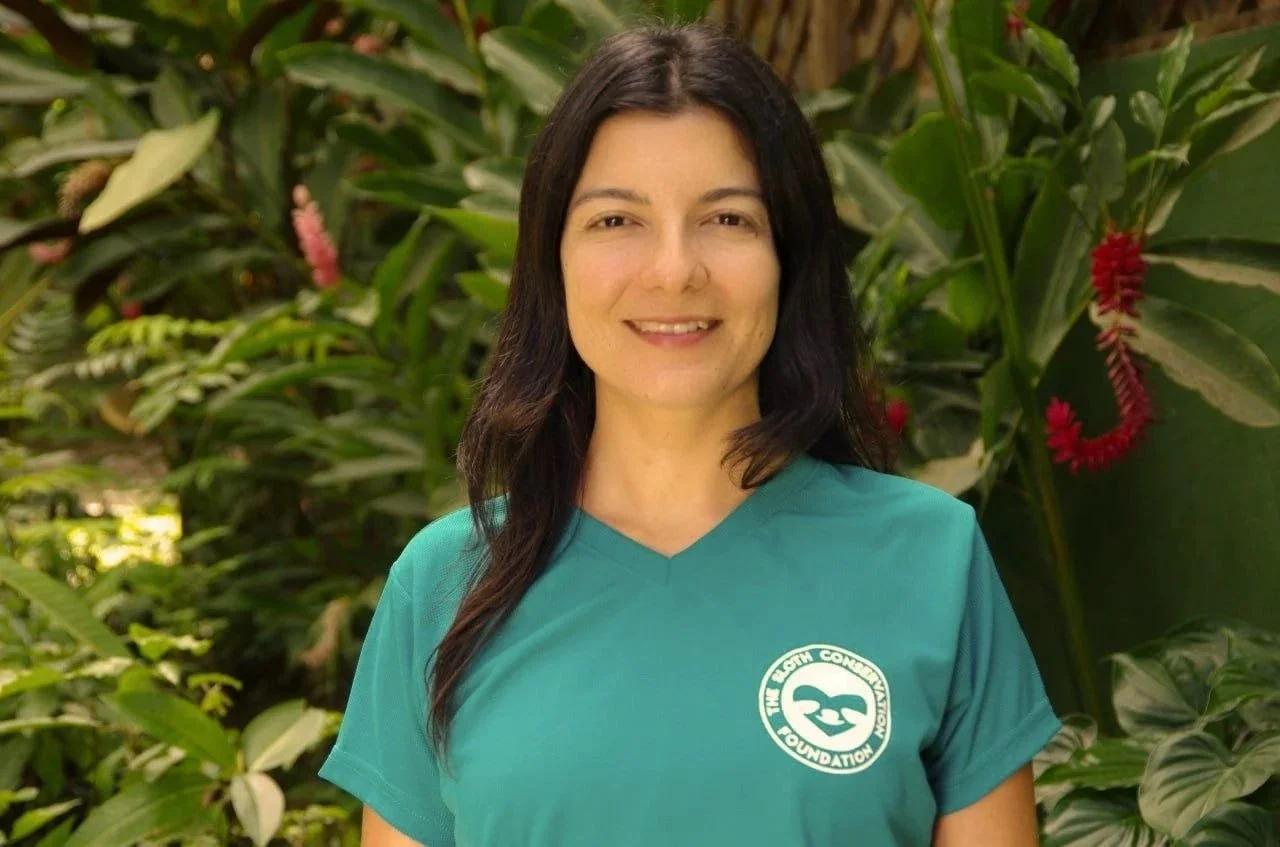
Puerto Viejo de Talamanca once again became a meeting place for those of us who share a common purpose: protecting sloths and the forests they depend on.
From October 15 to 17, 2026, we celebrated the third International Sloth Festival, organized by the Sloth Conservation Foundation (SloCo). Over three days, science, environmental education, art, music, and community participation came together to remind us of something fundamental: wildlife conservation is a collective effort.
Thursday, October 15: Imagining Gardens Where Every Species Has a Place
The festival began with an invitation to look differently at the spaces we inhabit every day.
During the “Design Your Garden for Wildlife” workshop, we came together to explore a seemingly simple question: how can we turn our gardens into safer places for the wild animals that live alongside us?
Focusing on four basic needs, food, water, shelter, and movement, we examined everyday situations and worked together to develop solutions that help people and wildlife coexist.
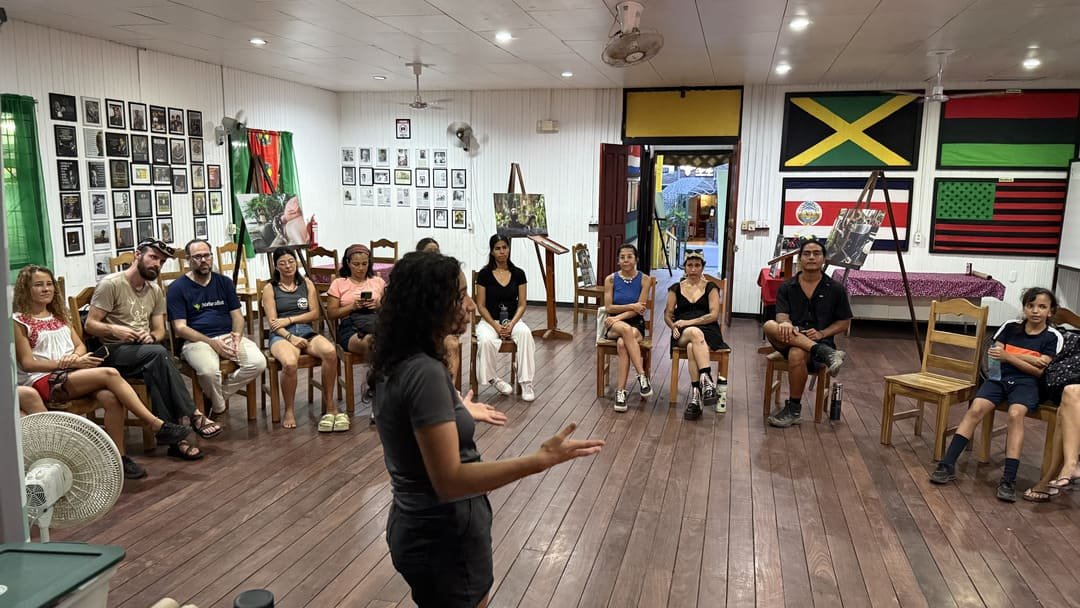
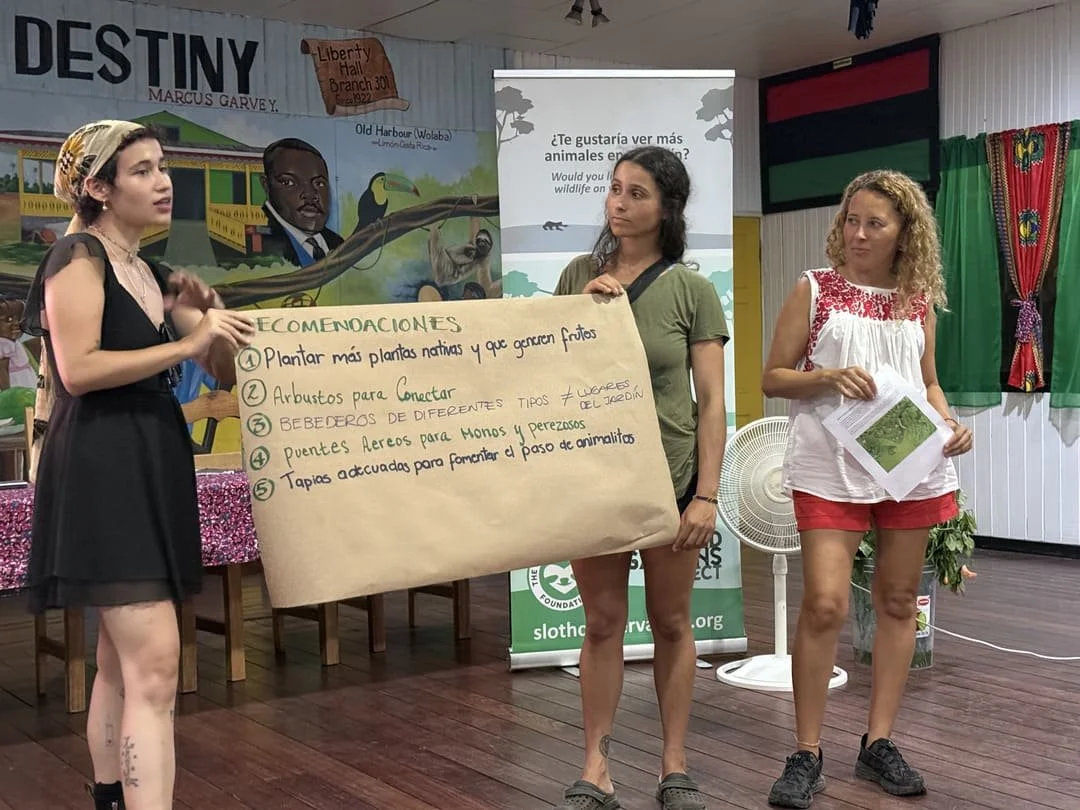
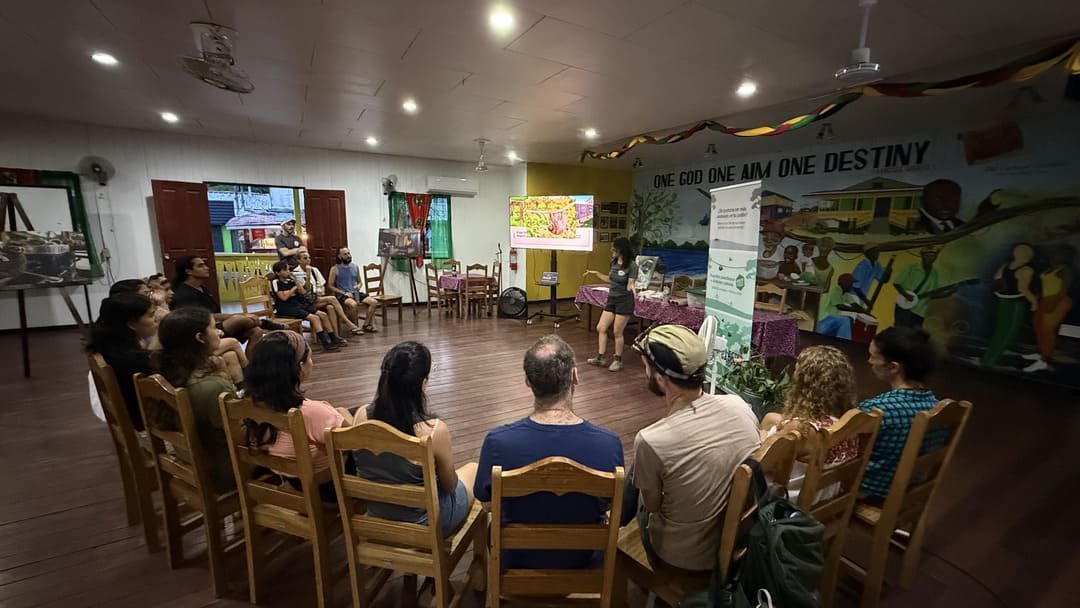
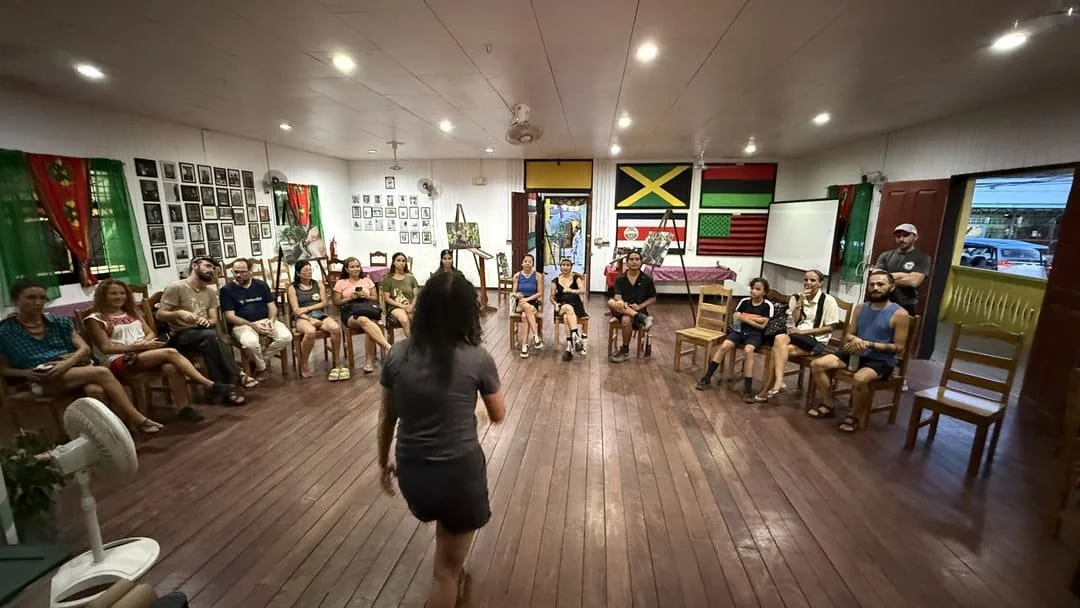
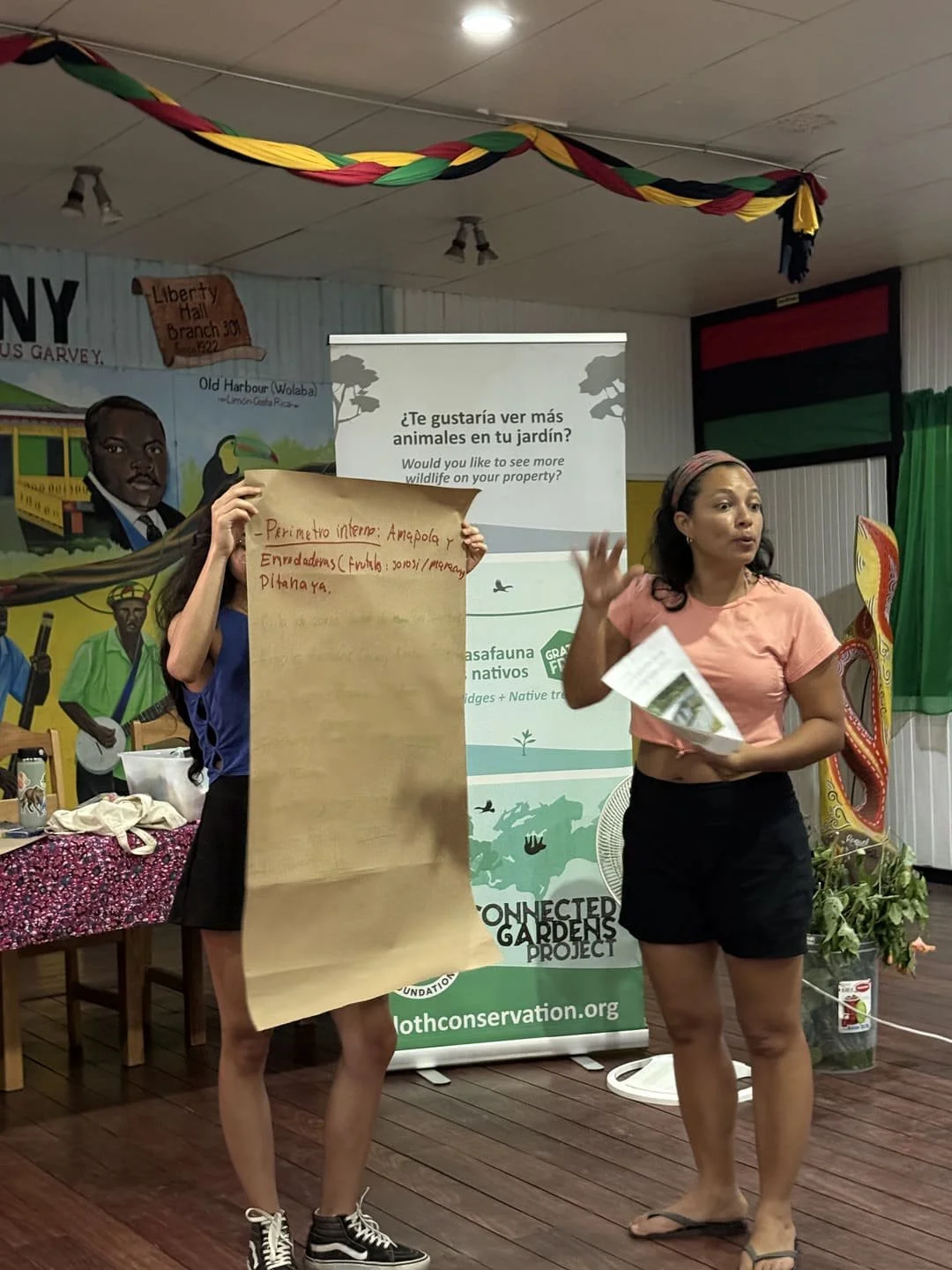
It was a space to share knowledge, experiences, and ideas, but also to recognize that conservation begins much closer to home than we might imagine: in our yards, our gardens, and the decisions we make about the spaces around us.
Friday, October 16: Getting to Know Sloths Through Science and Fieldwork
The second day began with a very special experience: heading into the field to see our team’s research firsthand.
Together with the Urban Sloth Project, we took part in a community monitoring walk in the El Camaleón area of Puerto Viejo, where we observed three sloths that are part of our ongoing scientific monitoring.
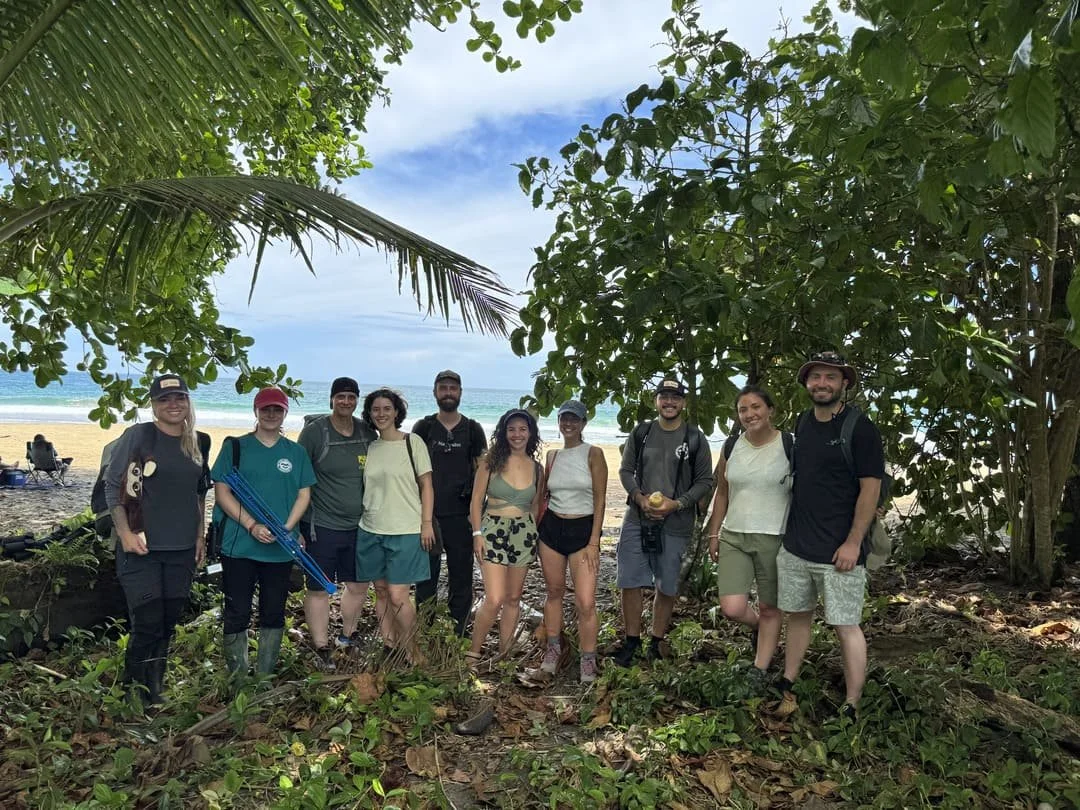
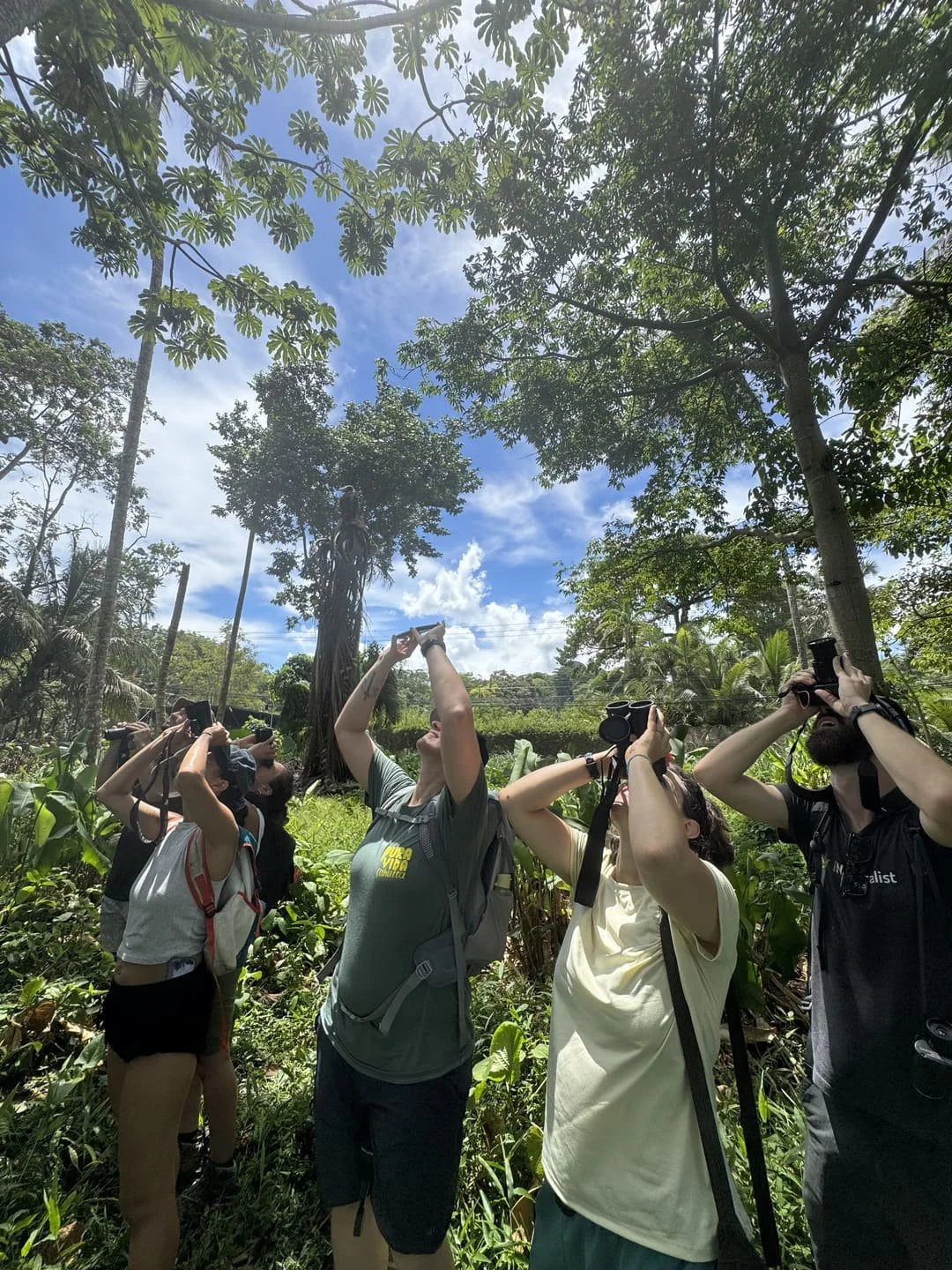
For participants, it was an opportunity to experience field research up close and understand the work and commitment involved in studying and protecting sloths living in areas increasingly affected by human activity.
That afternoon, we gathered at the Marcus Garvey Cultural Center in Puerto Viejo to discuss another essential part of conservation: what to do when a sloth is in danger.
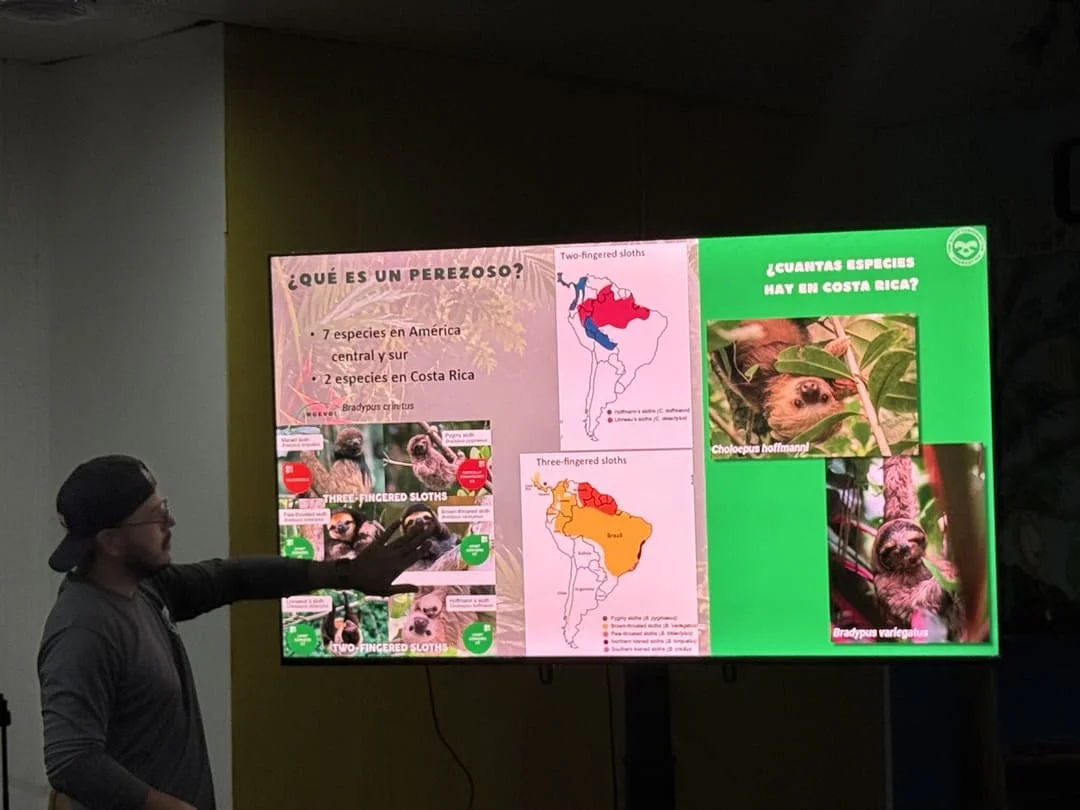
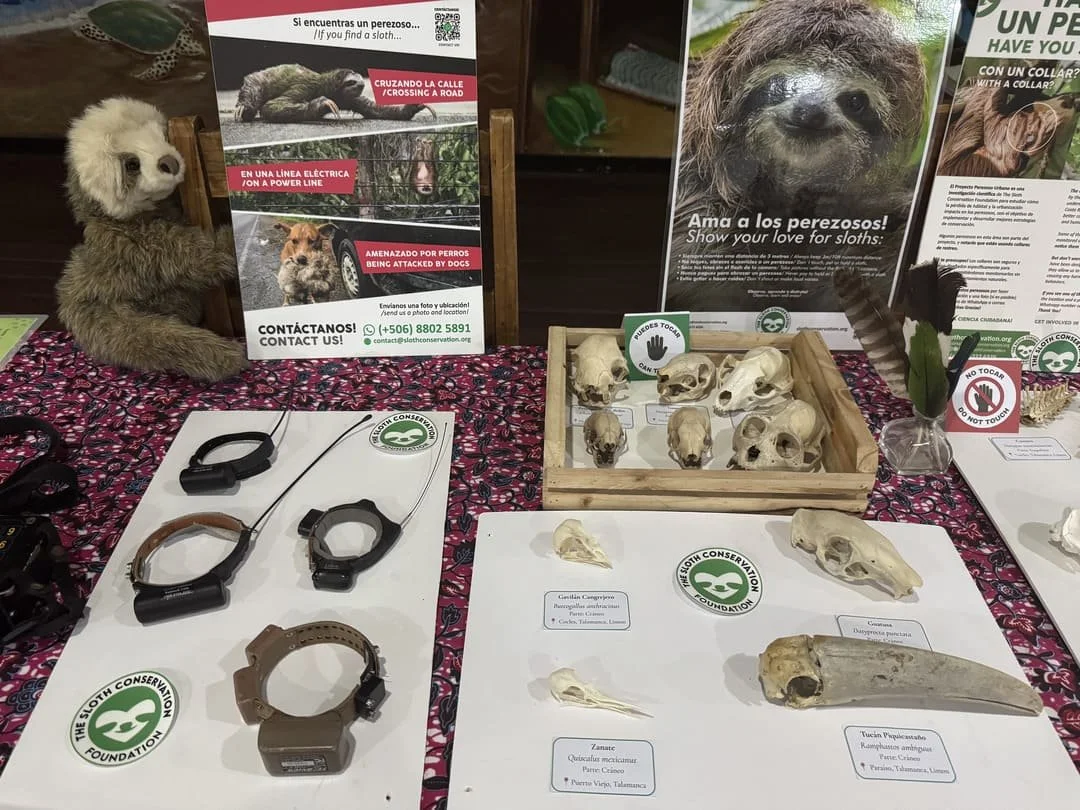
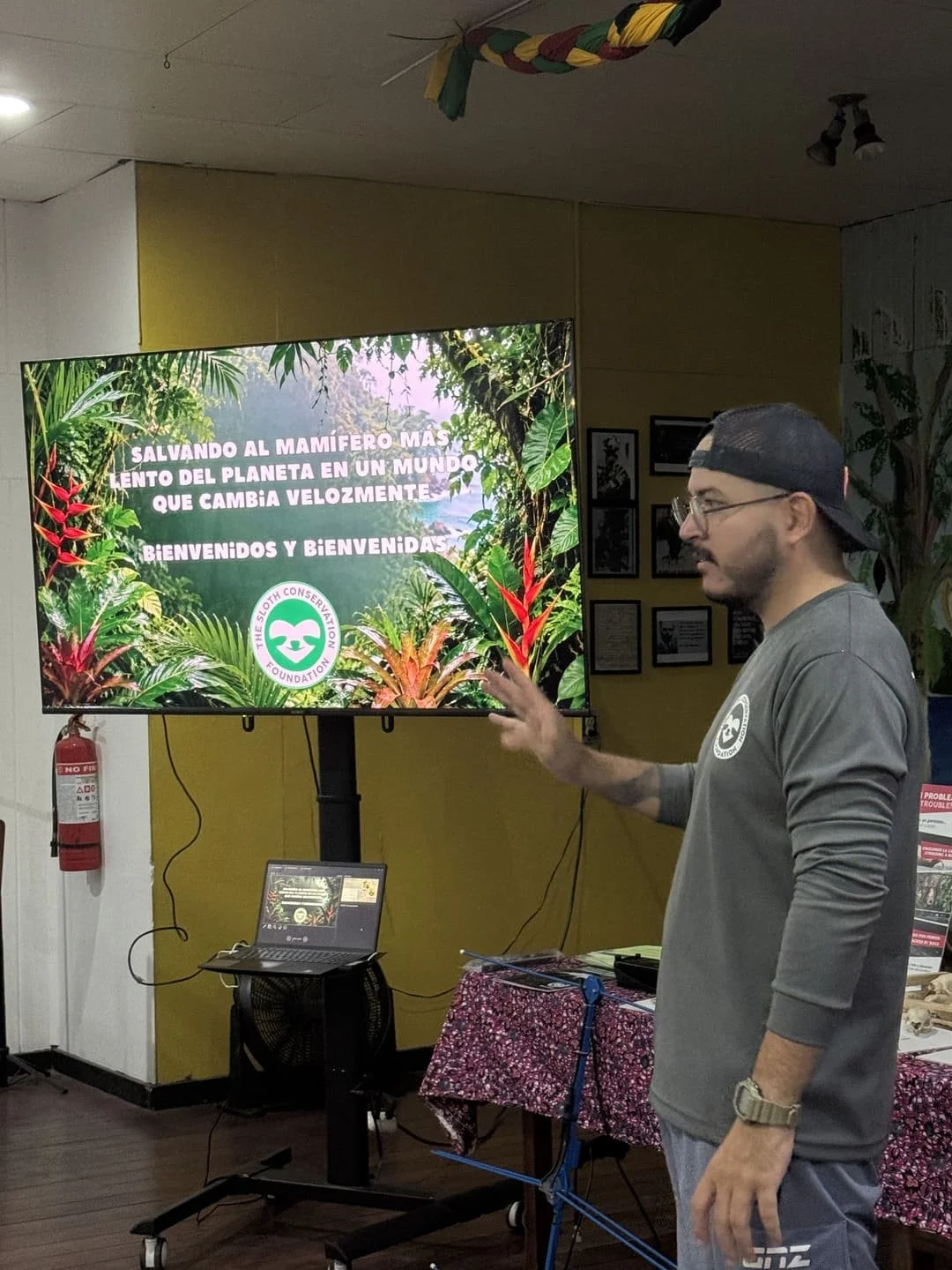
During the talk “Sloth in Danger? Learn How to Help,” we shared some of the main findings from our research on urban sloths. We were also joined by Andrey Morales from the Jaguar Rescue Center (JRC), who presented important information about sloth admissions to the rescue center over recent years.
Saturday, October 17: Puerto Viejo Comes Alive
Saturday began early.
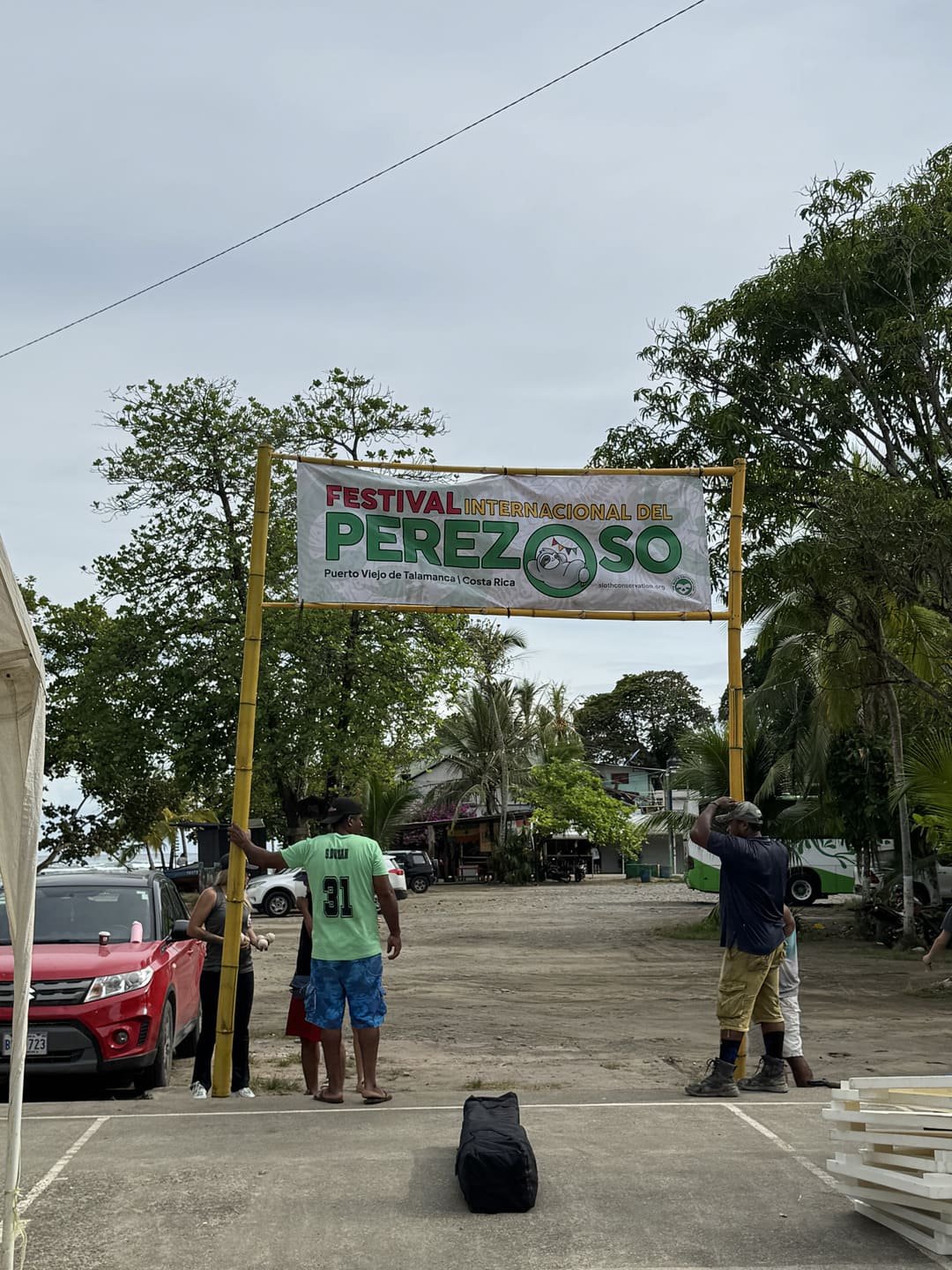
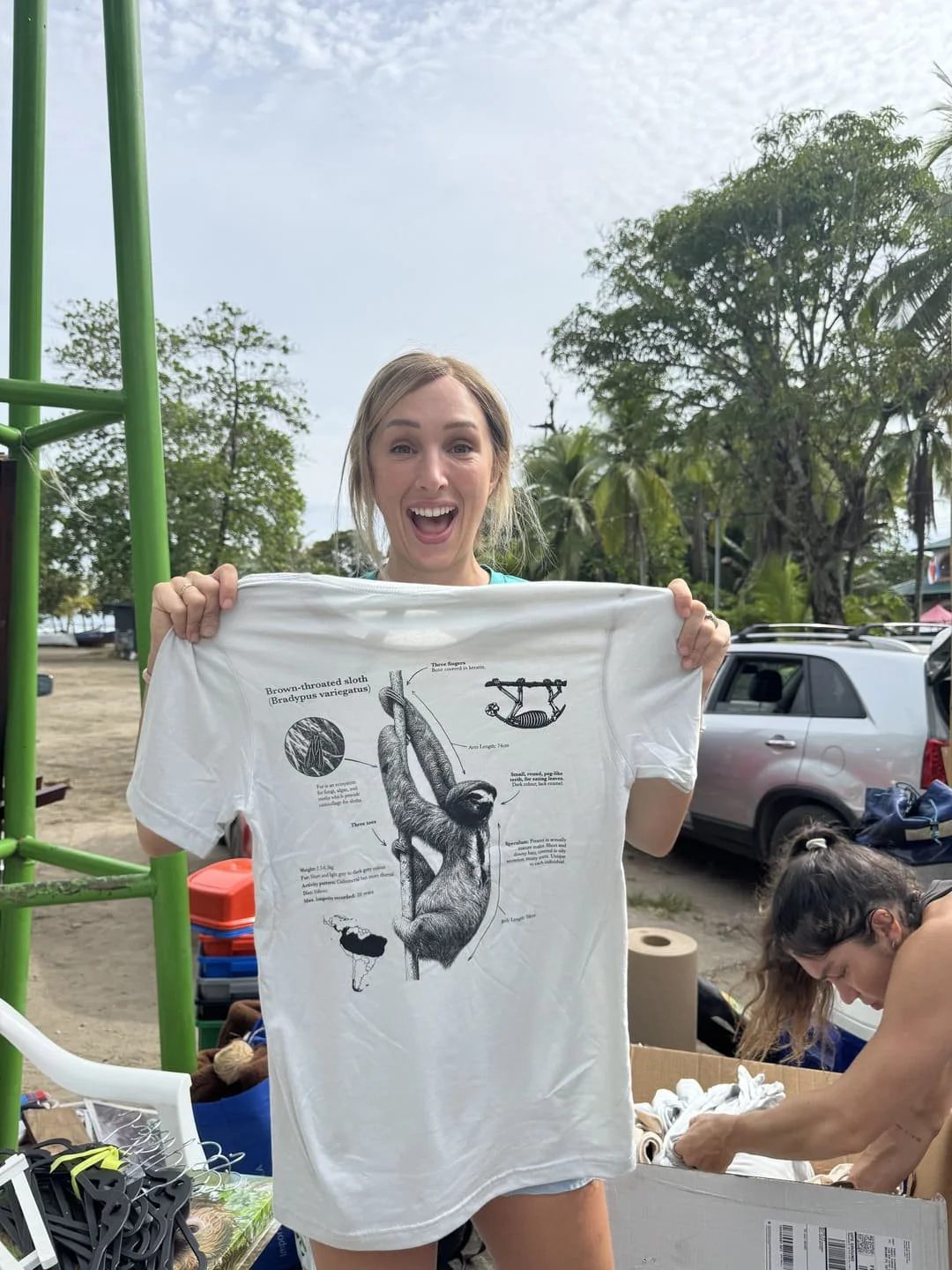
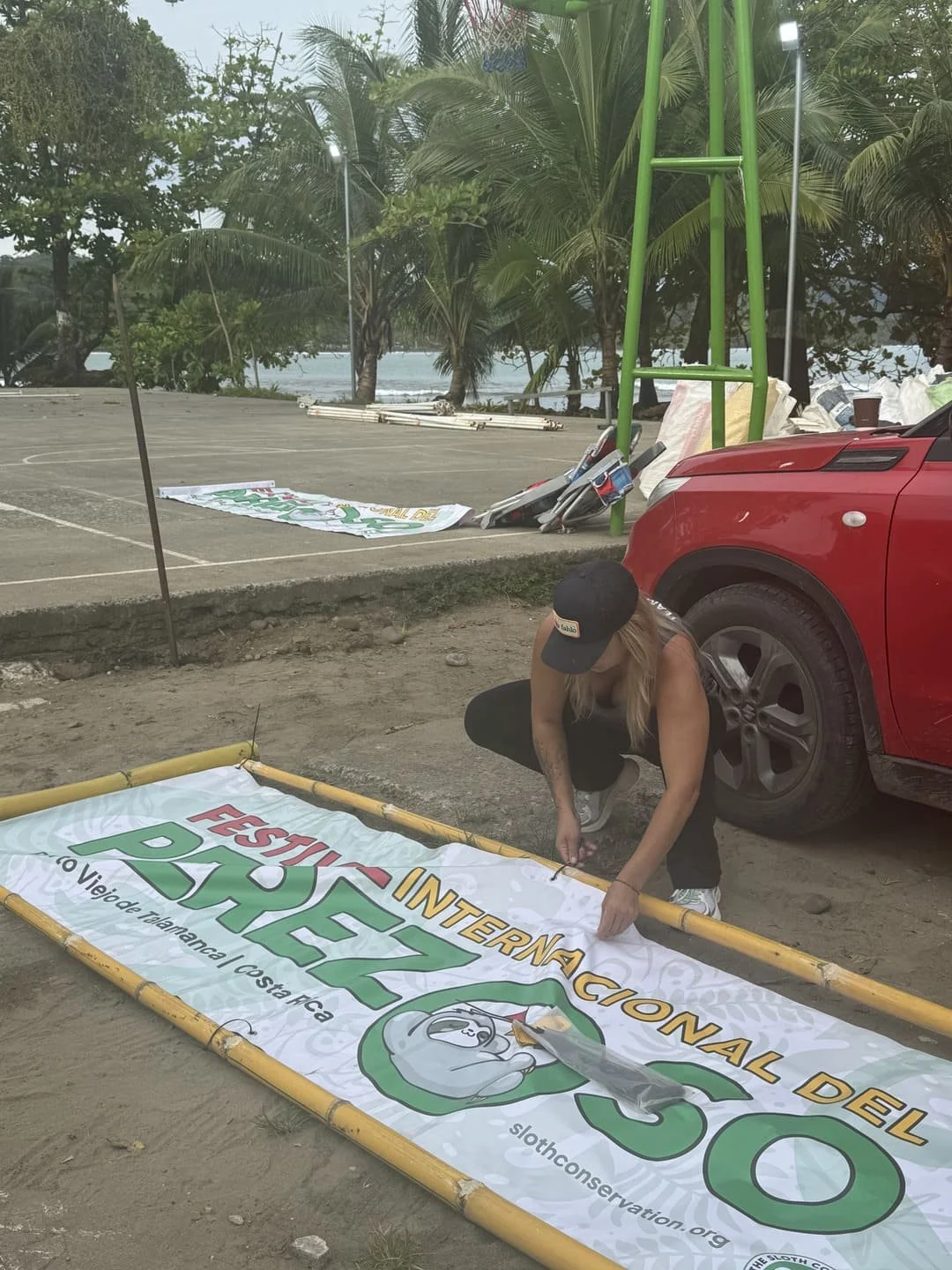
From 6:30 a.m., the organizing team and volunteers were busy setting up tents, structures, electricity, and the spaces that would welcome environmental organizations, artists, families, and visitors just a few hours later.
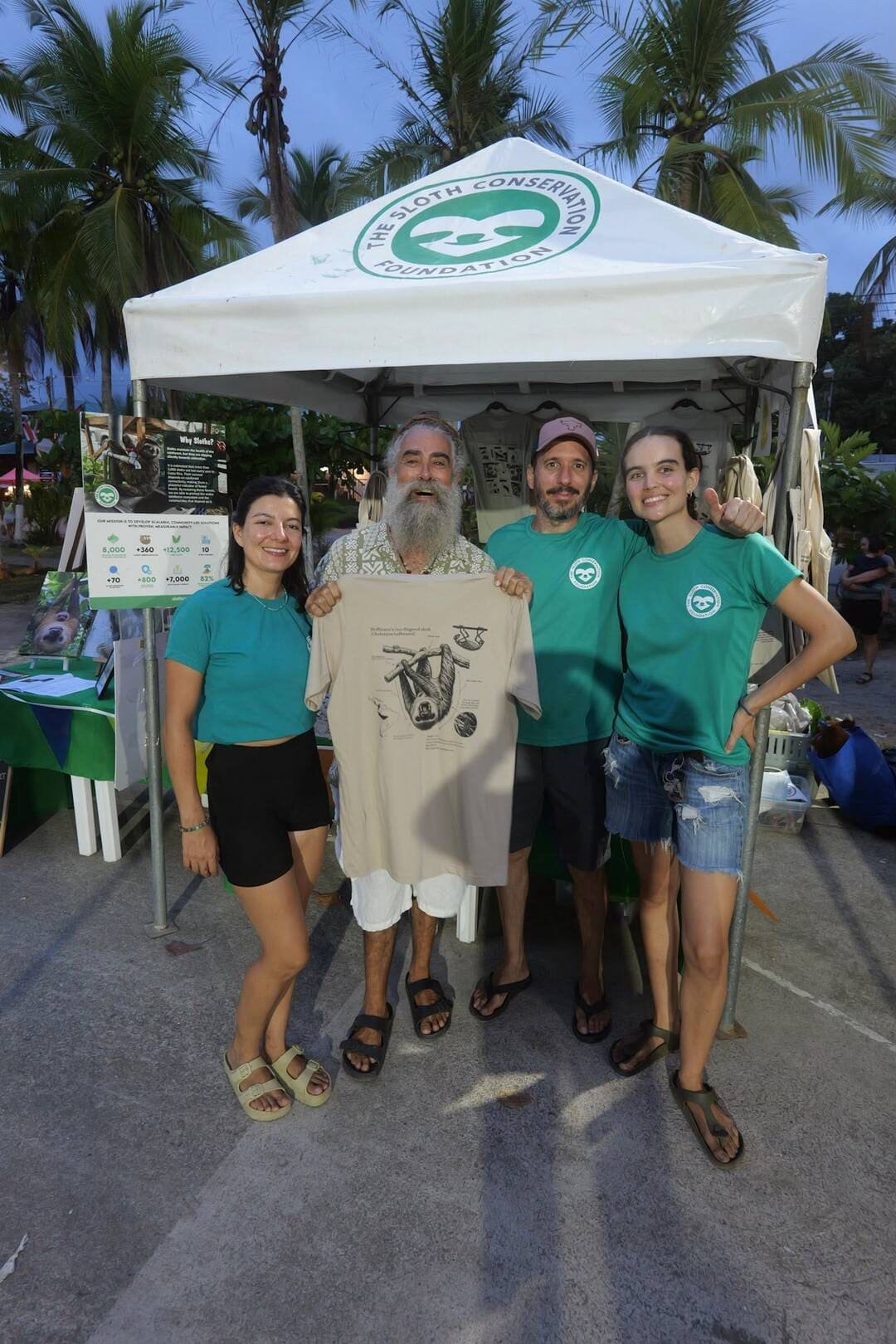
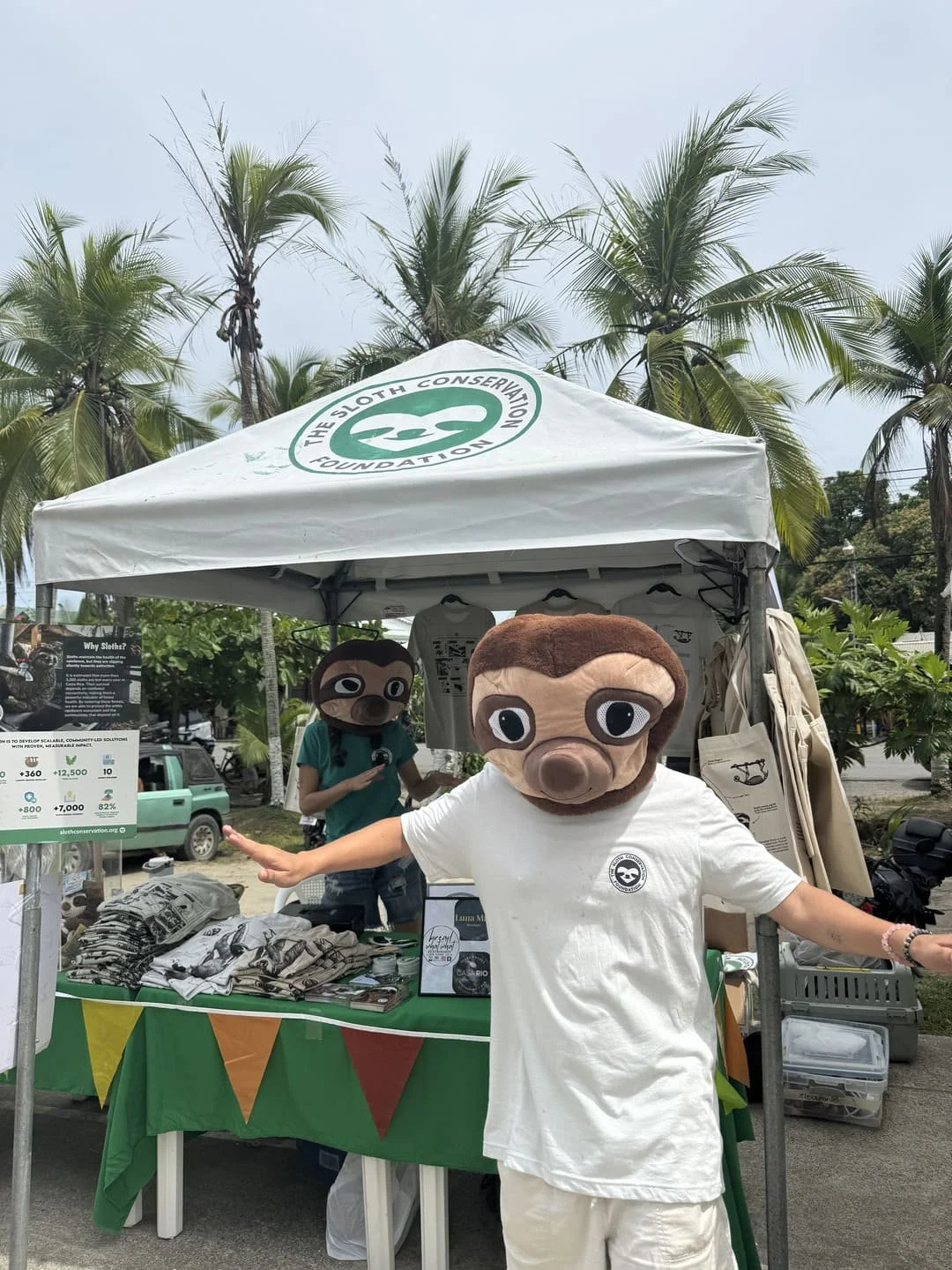
Little by little, the basketball court in downtown Puerto Viejo was transformed into the home of the 3rd International Sloth Festival.
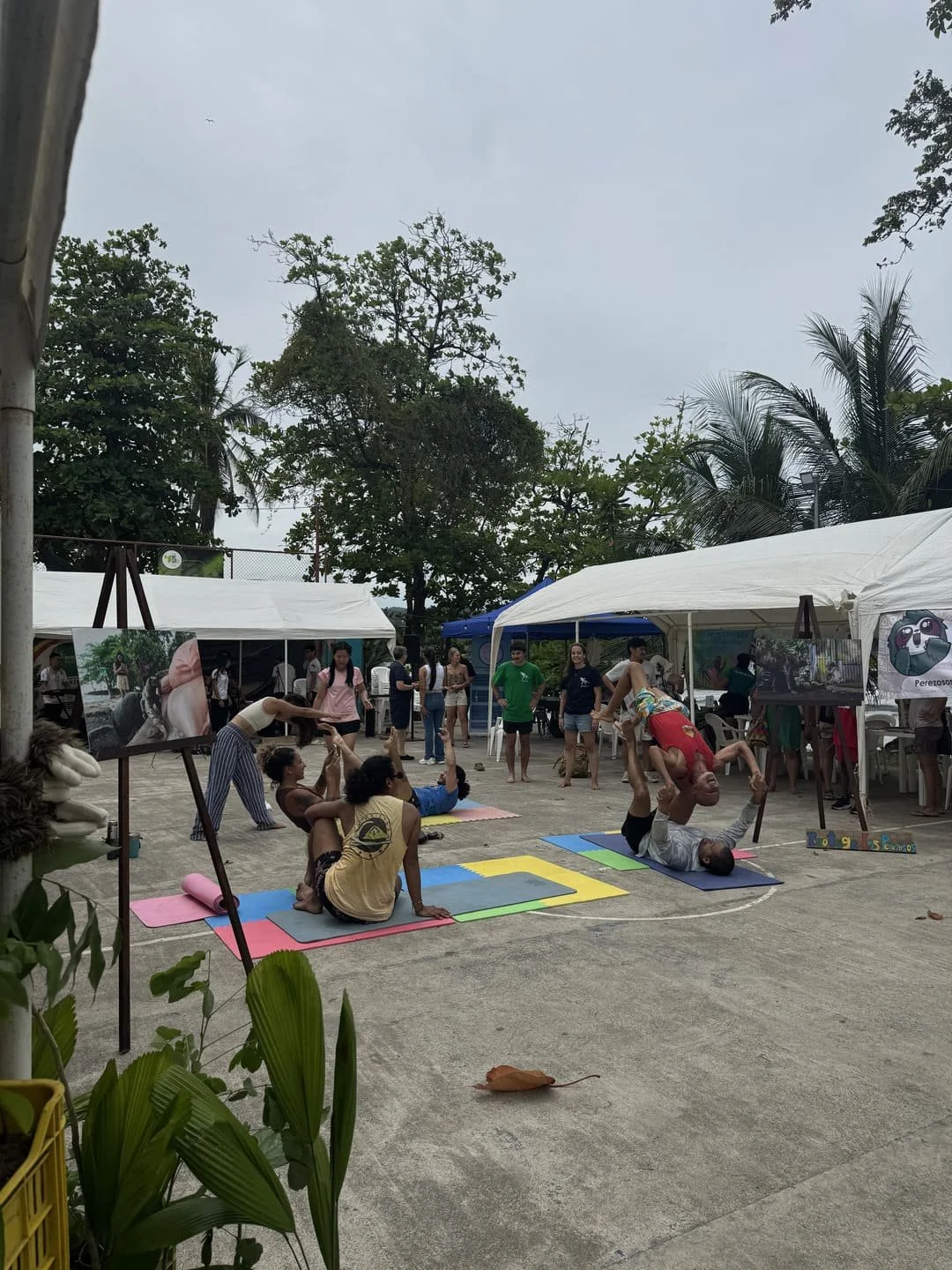
The sky was overcast, but the Caribbean heat was already making itself felt. Activities began at 10 a.m. with an acroyoga workshop. As the day went on, visitors explored the different booths, joined workshops, and shared experiences.
Meanwhile, Puerto Viejo Más Limpio organized a local cleanup as part of the festival. This practical action reminded us that protecting biodiversity also means caring for our beaches, coastal ecosystems, and the health of our communities.
A Community of Organizations Committed to Conservation
One of the most valuable aspects of the festival was bringing together organizations that work every day to protect nature and support community well-being.
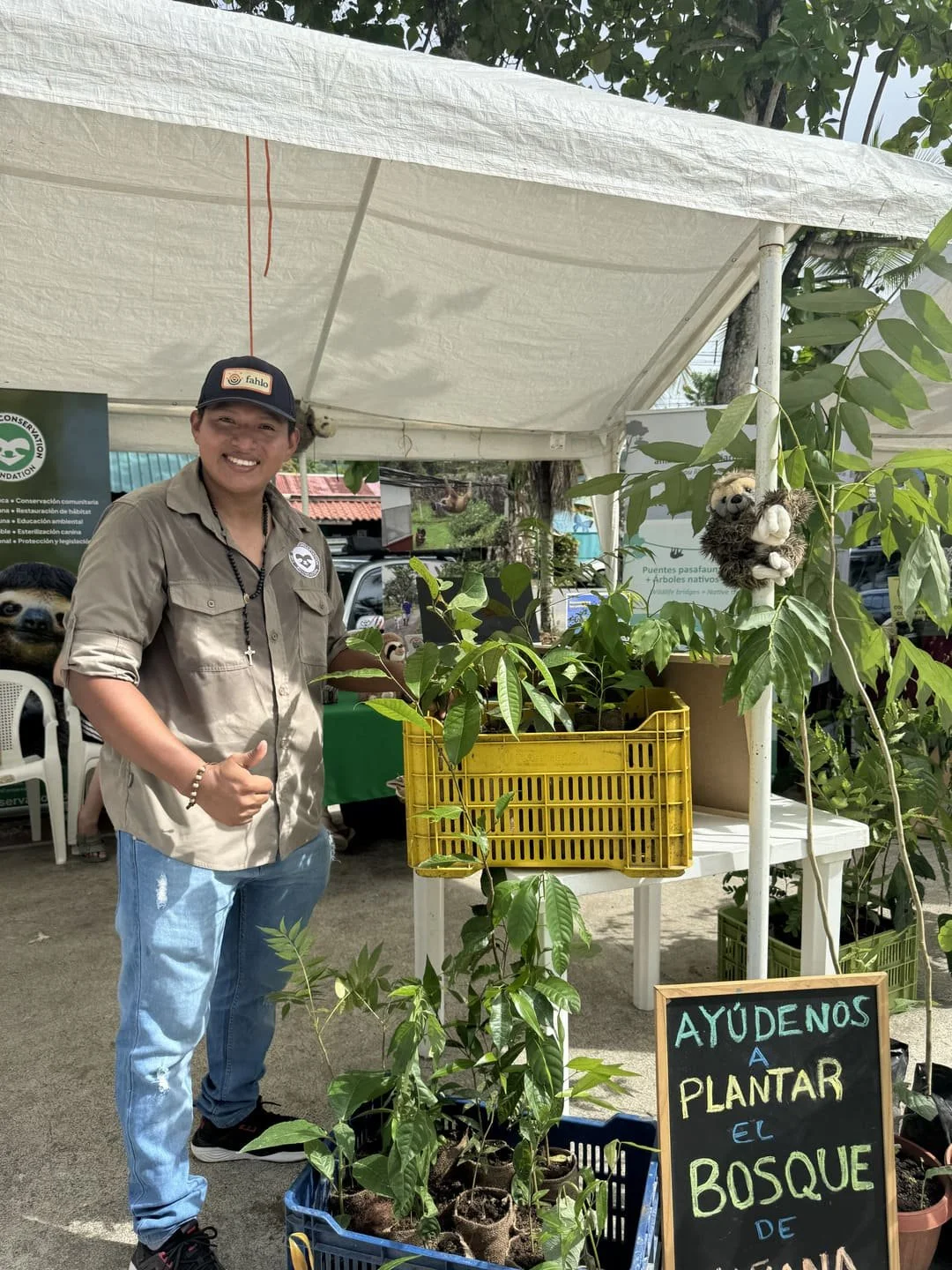
We welcomed 12 environmental and community organizations, including Coral Conservation, the Puerto Viejo Community Library, Planet Conservation, Puerto Viejo Más Limpio, Proyecto Ara, Jaguar Rescue Center, Cahuita Turtle Rescue, PV Dogs, COAST, Tropica Verde, and Asociación Guardianes del Bosque.
Each booth offered an opportunity to learn about local initiatives, exchange experiences, and discover the many ways people are coming together to protect the South Caribbean.
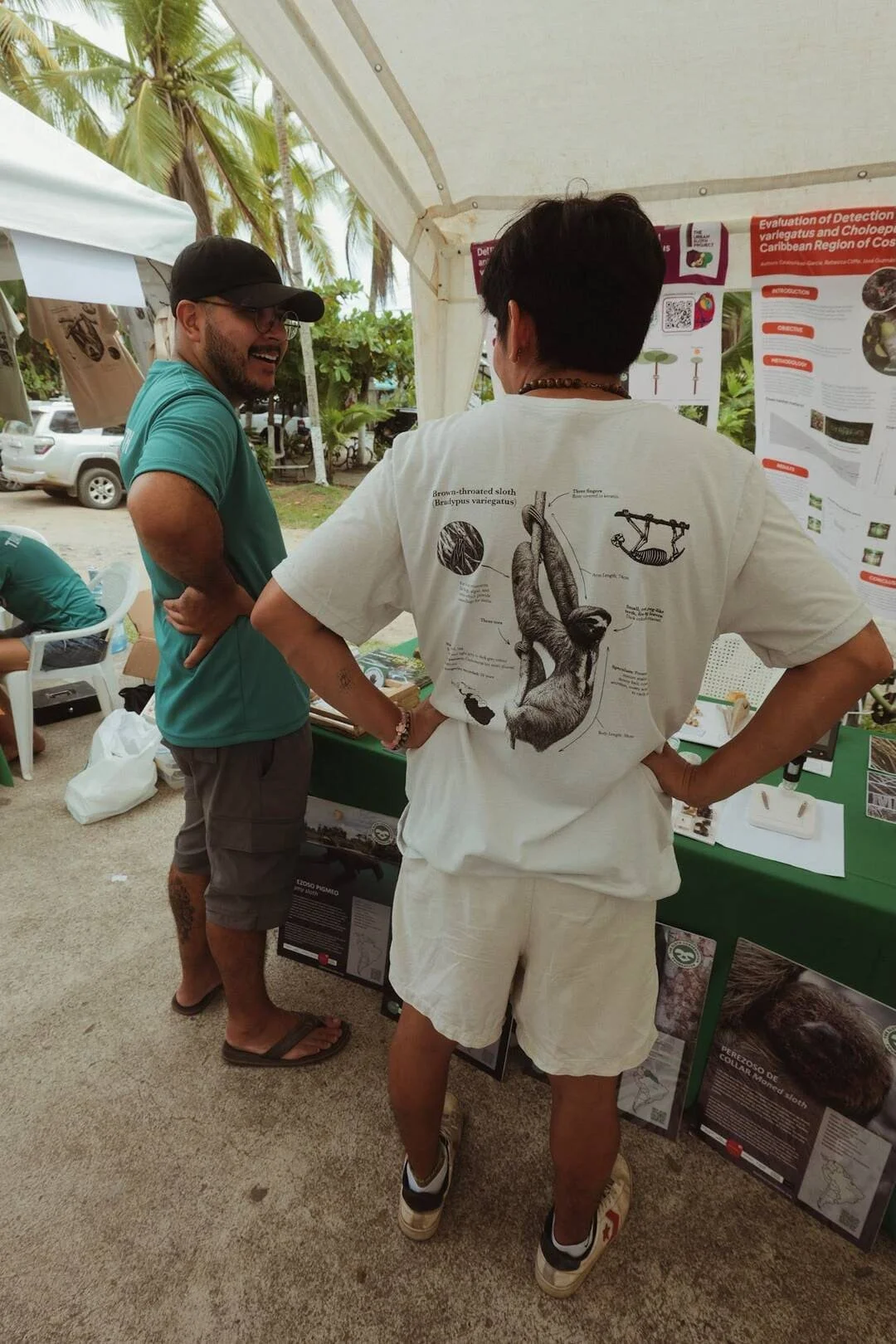
We also had a space dedicated to responsible sloth-watching tourism, with participation from Oropopo and Life Culture and Travel. Both initiatives have taken part in our training programs to promote tourism experiences that respect animal welfare and the environment.
The celebration was also joined by public institutions essential to local environmental work: the environmental education team from the National System of Conservation Areas (SINAC), the Environmental Management Department of the Municipality of Talamanca, and the Ministry of Health.
These partnerships also made it possible to set up a collection point for recyclable materials and electronic waste, giving the community more options for responsible waste disposal.
Science and Environmental Education Joined the Celebration
For our team at the Sloth Conservation Foundation, the festival was a special opportunity to share the work we do throughout the year with our community.
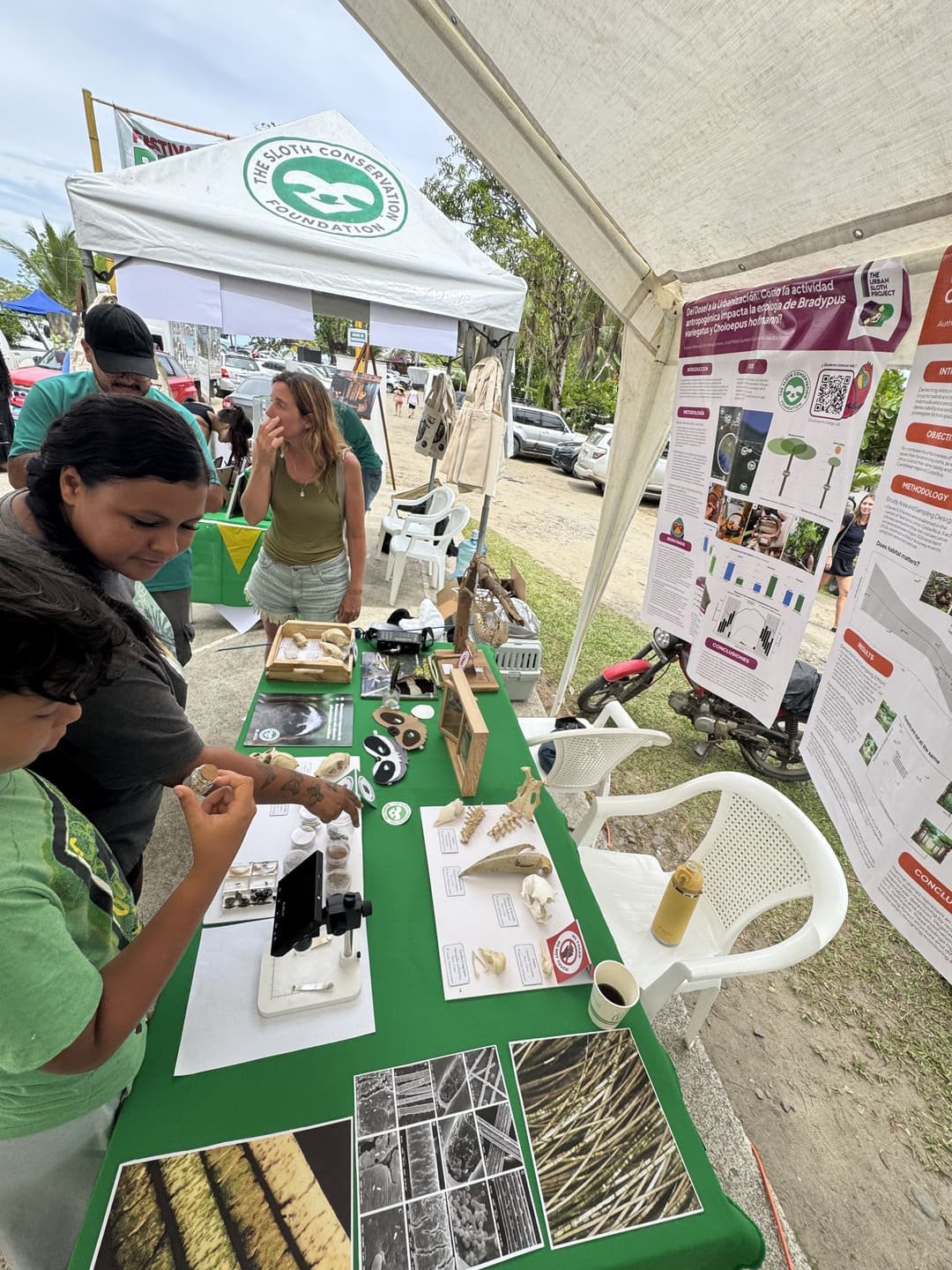
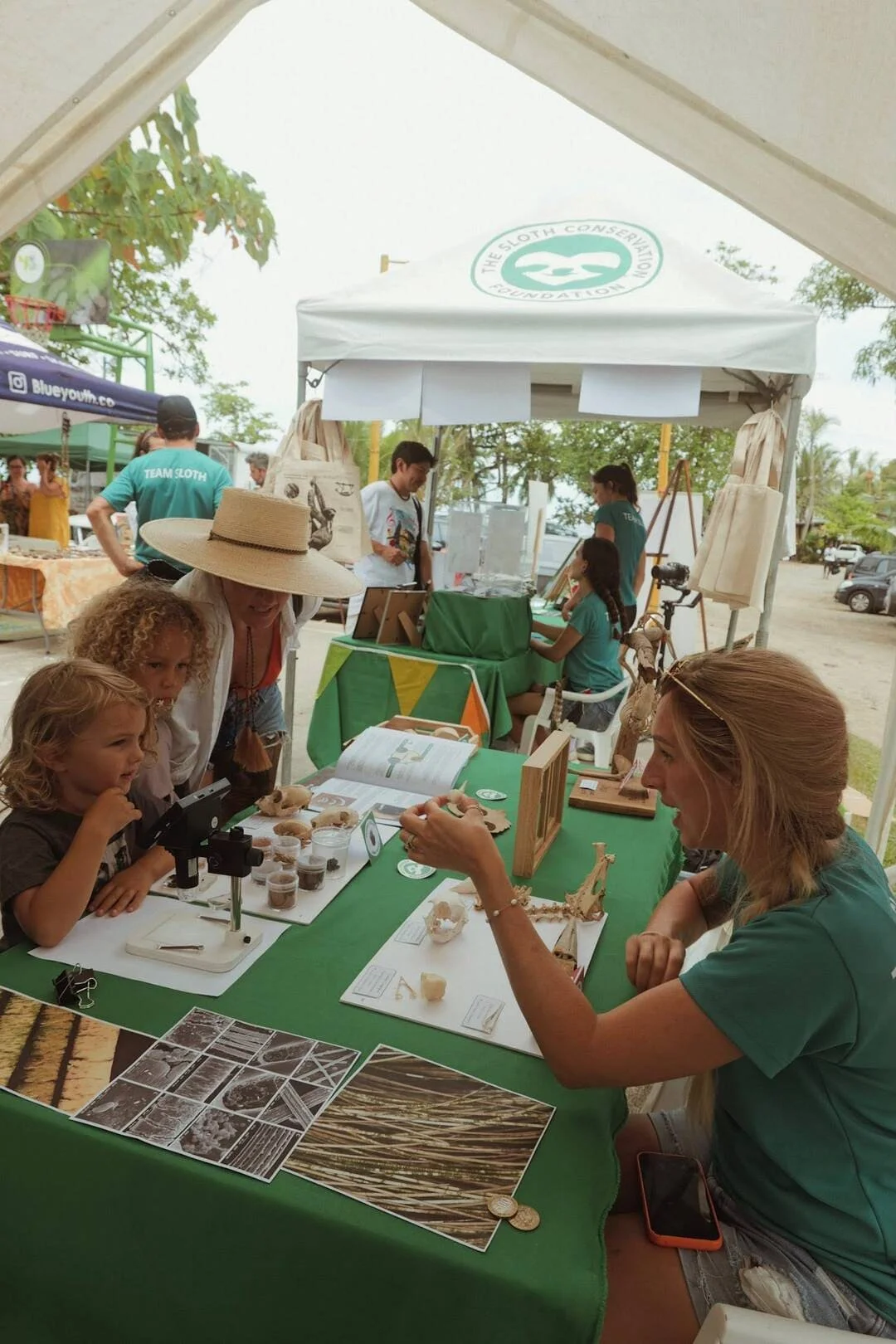
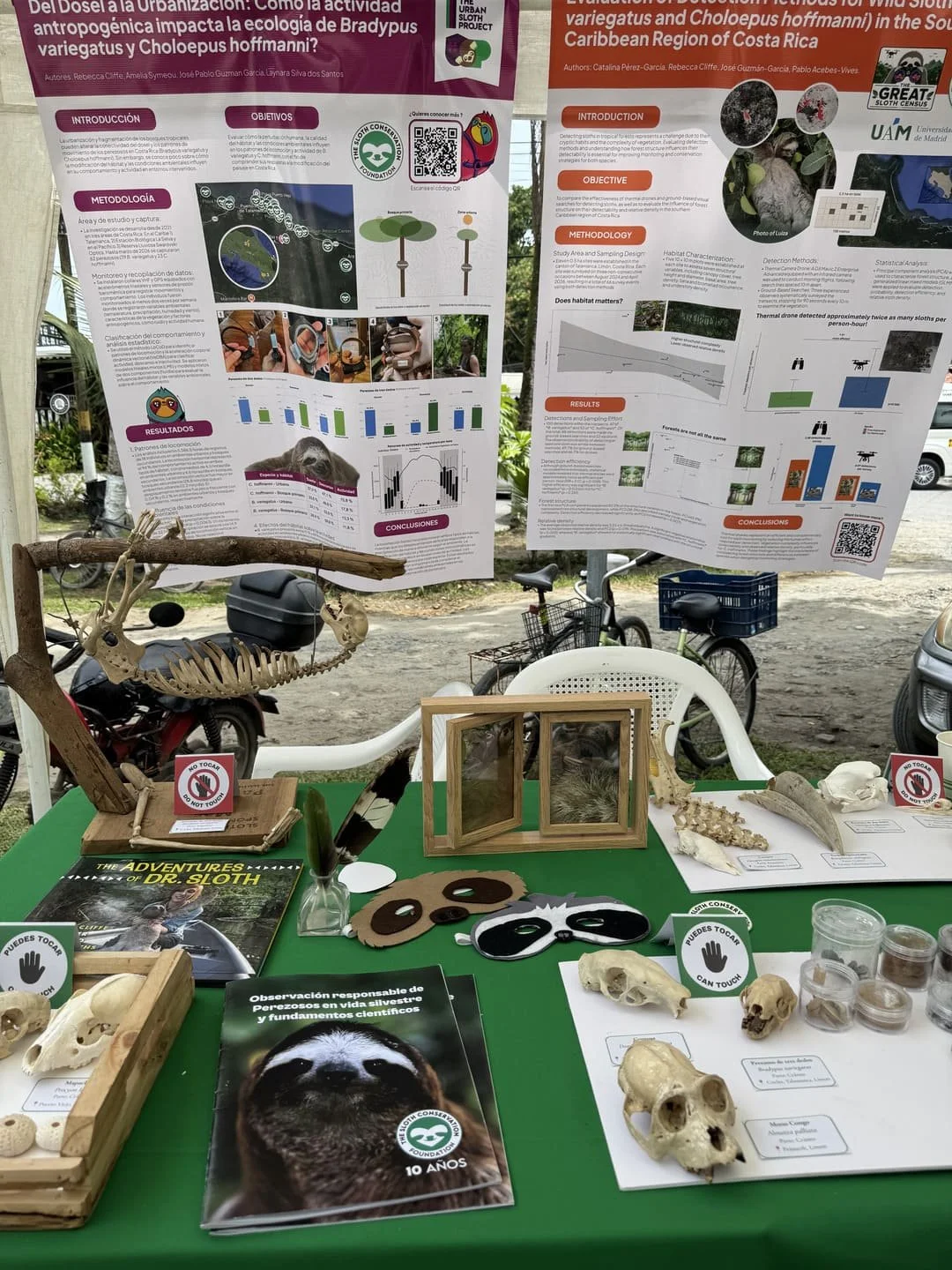
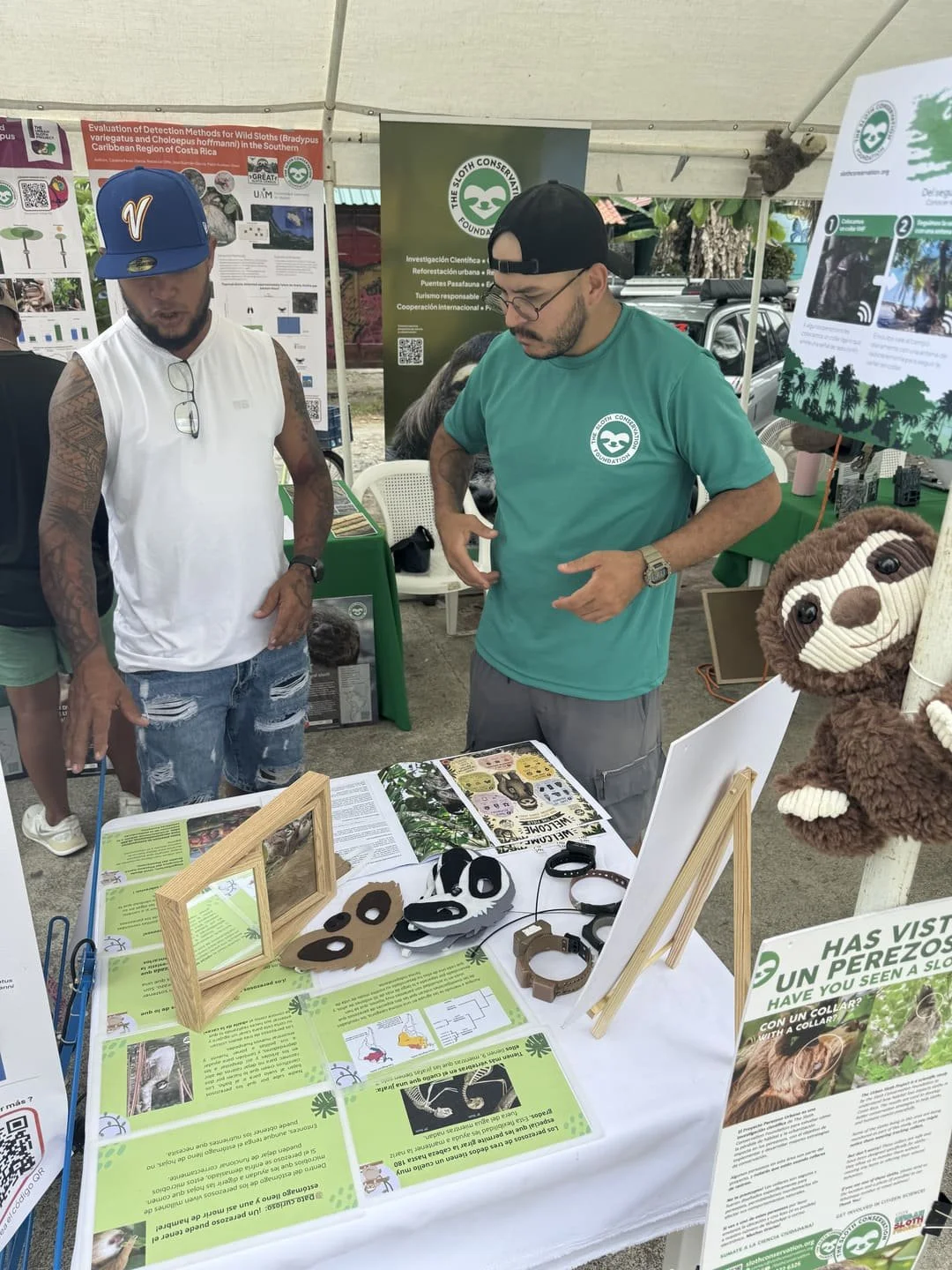
At our educational booths, we presented our sloth census research, urban sloth monitoring, and Connected Gardens program.
Visitors could speak directly with our team, learn about our research methods, and discover how habitat connectivity, scientific knowledge, and community participation contribute to sloth conservation.
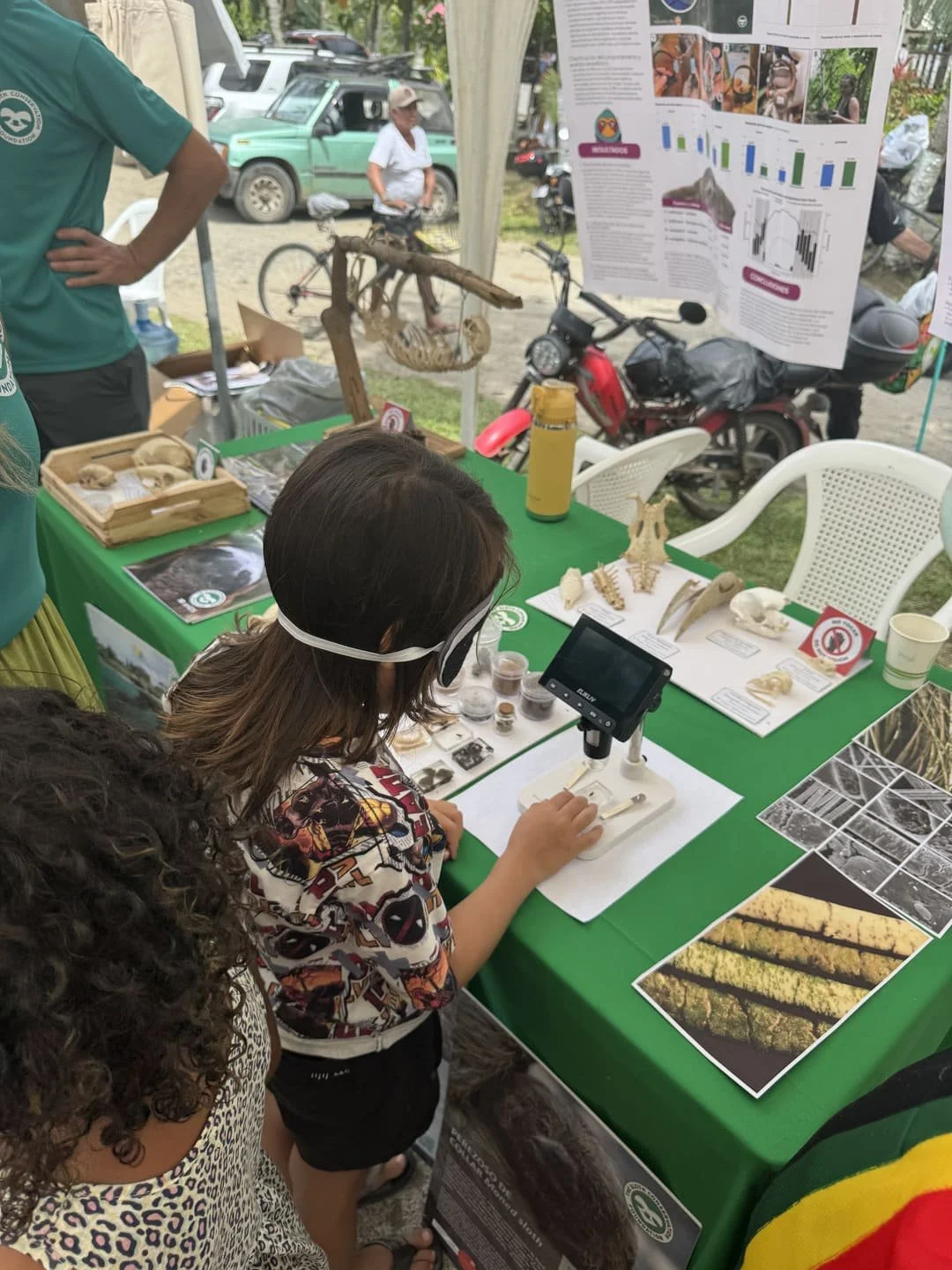
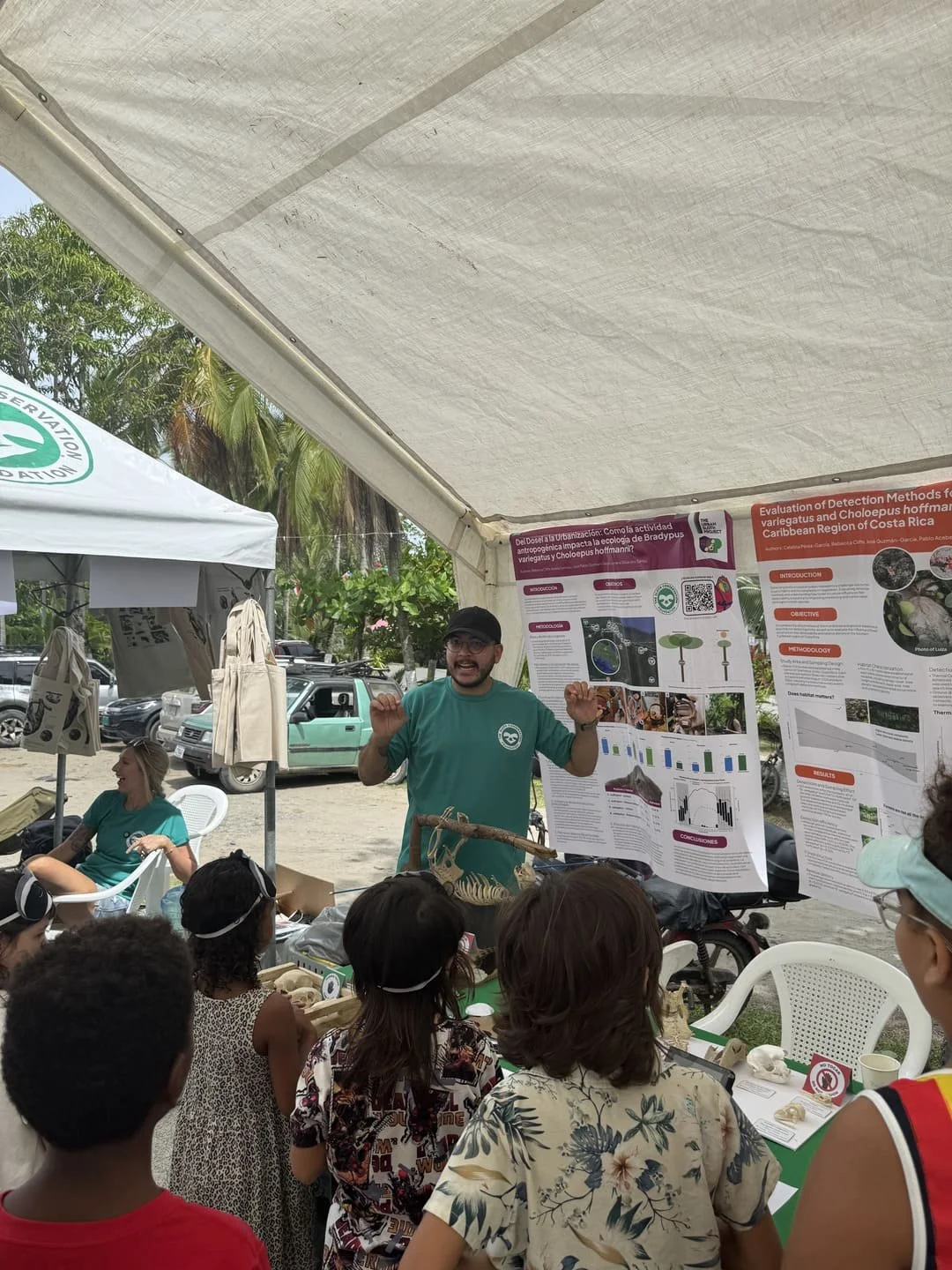
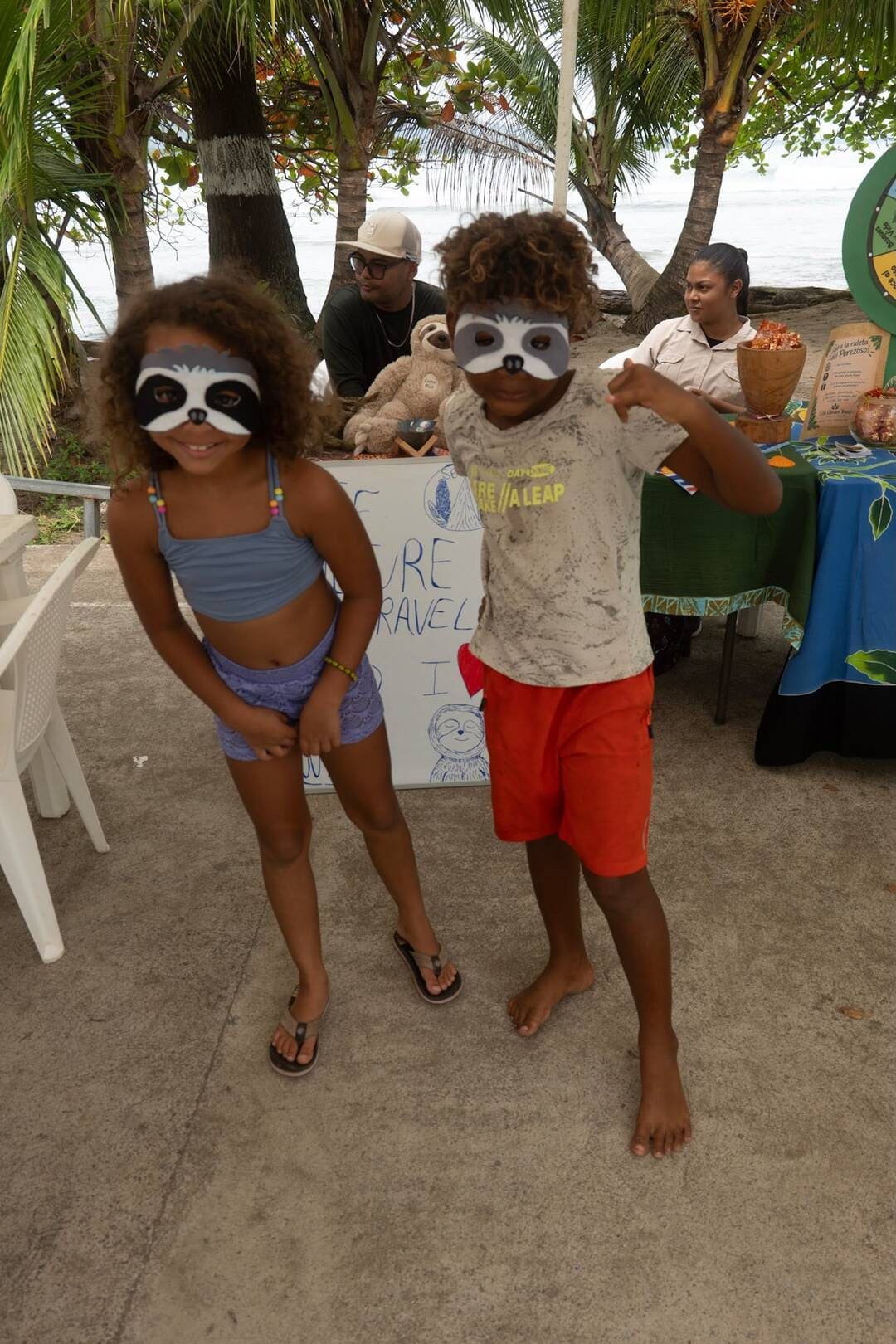
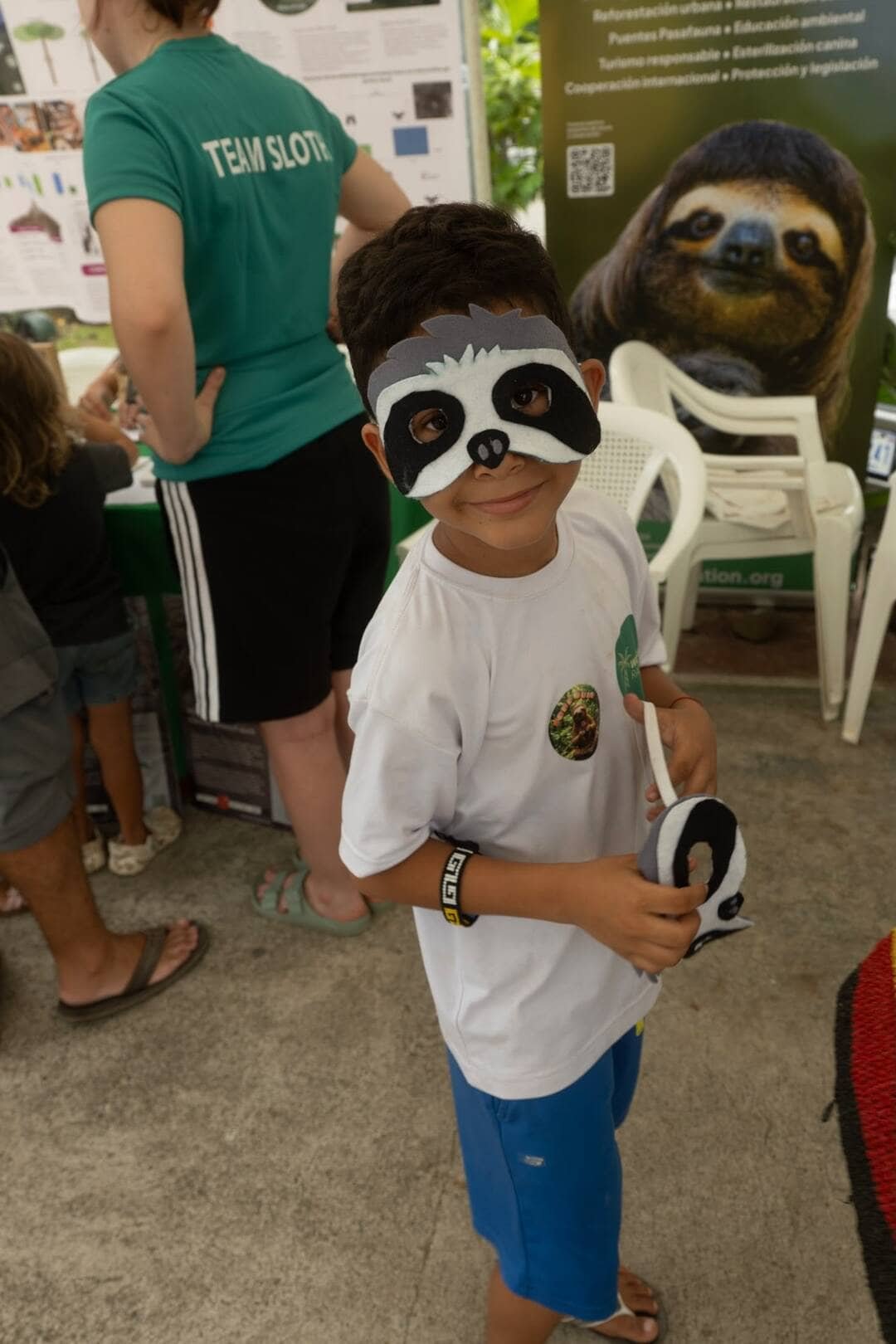
One of the most beloved parts of our celebrations was also there: the Kukula Environmental Education Club, where children and adults took part in artistic and educational activities that brought them closer to nature through creativity and play.
Across the festival’s three days, we held seven educational workshops and talks, helping us share conservation knowledge with people of different ages.
Visitors also enjoyed “The Lives of Urban Sloths,” a photography exhibition by renowned wildlife photographer Suzi Eszterhas. Her images invited us to pause and look more closely, and with greater empathy, at the lives of the animals that share our surroundings.
When Caribbean Culture Meets Conservation
If there was one thing that made this festival special, it was seeing how a love for sloths also finds expression through music, art, and Caribbean cultural identity.
The afternoon came alive with music as Iriria Tsôkölpa took the stage, a musical ensemble made up of students from the Liceo Experimental Bilingüe de Río Jiménez in Guácimo.
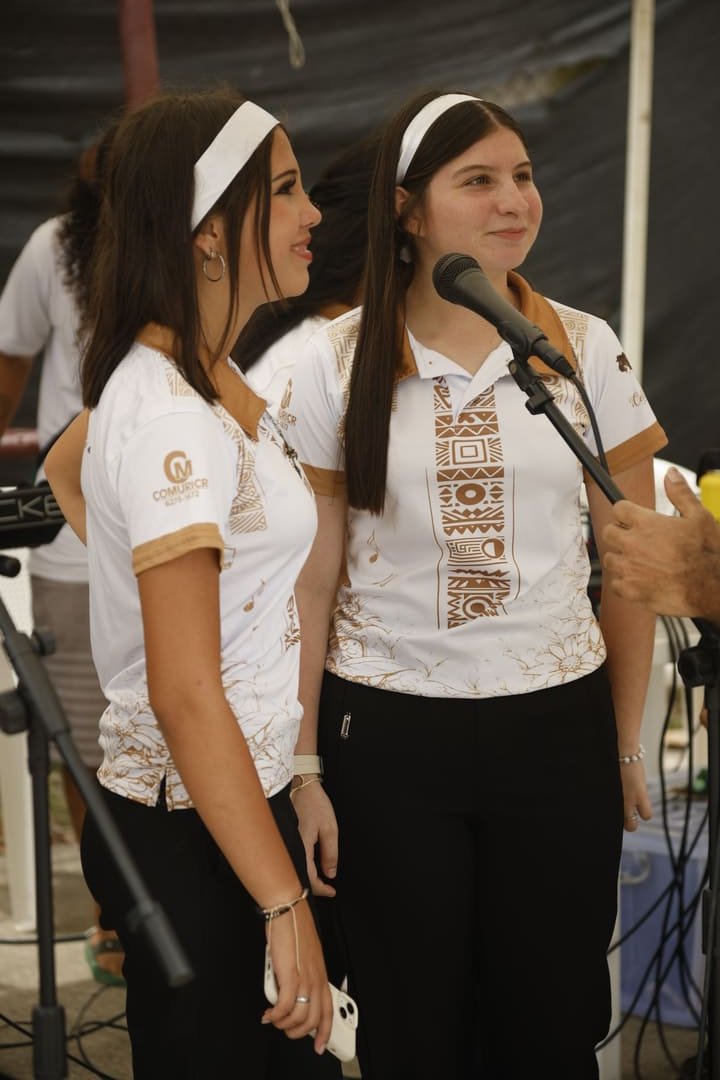
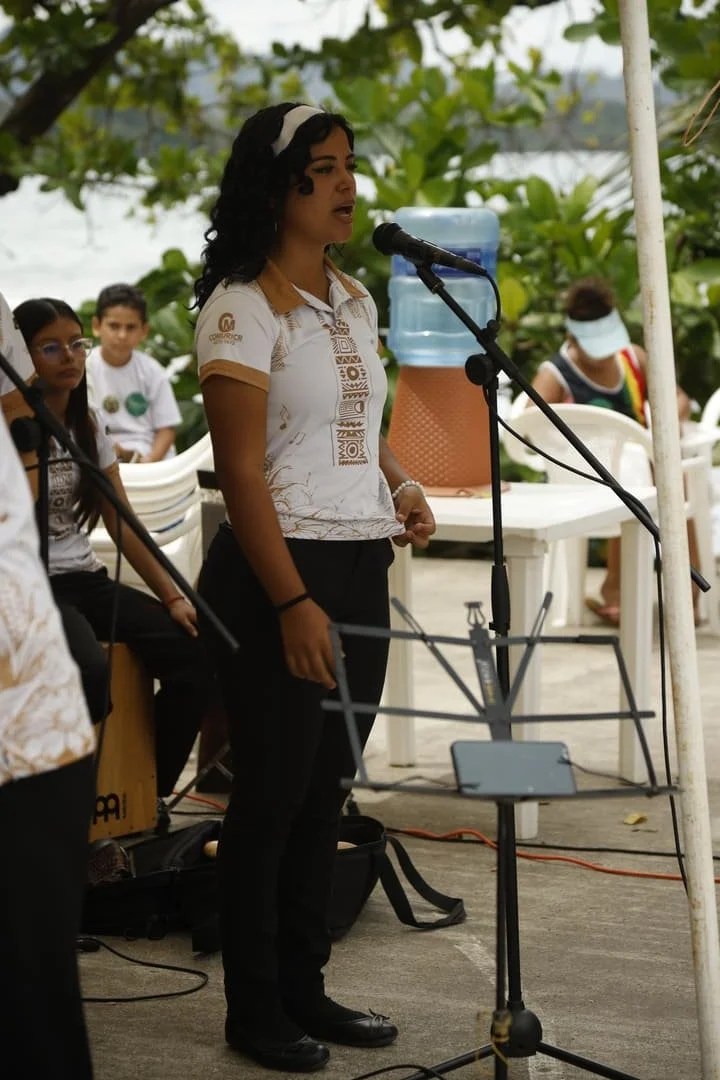
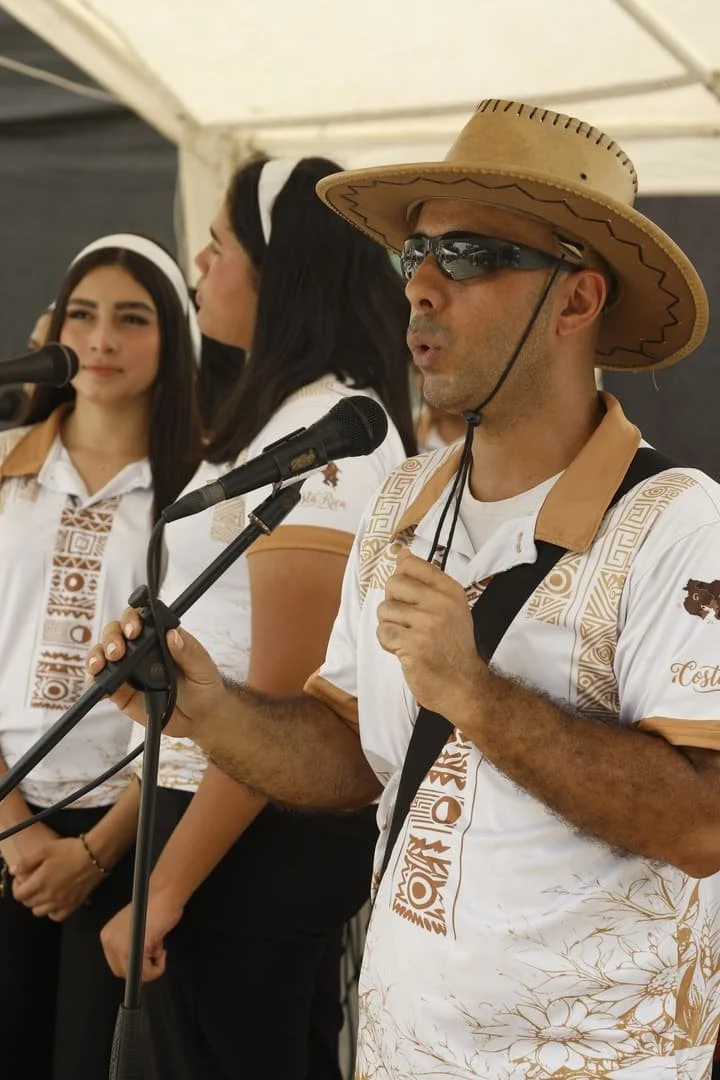
The young musicians shared their original compositions, including Coquito, a song inspired by Costa Rica’s sloths.
Next came Soul Caribe, a band whose reggae, son, and calypso rhythms accompanied original songs inspired by the South Caribbean’s Afro-Caribbean roots and rich natural heritage.
And, to our surprise and delight, they also had their own song dedicated to sloths!
If one thing became clear during the festival, it was that the sloth is more than an emblematic animal of our forests. It is deeply loved by our community and forms part of Limón’s identity.
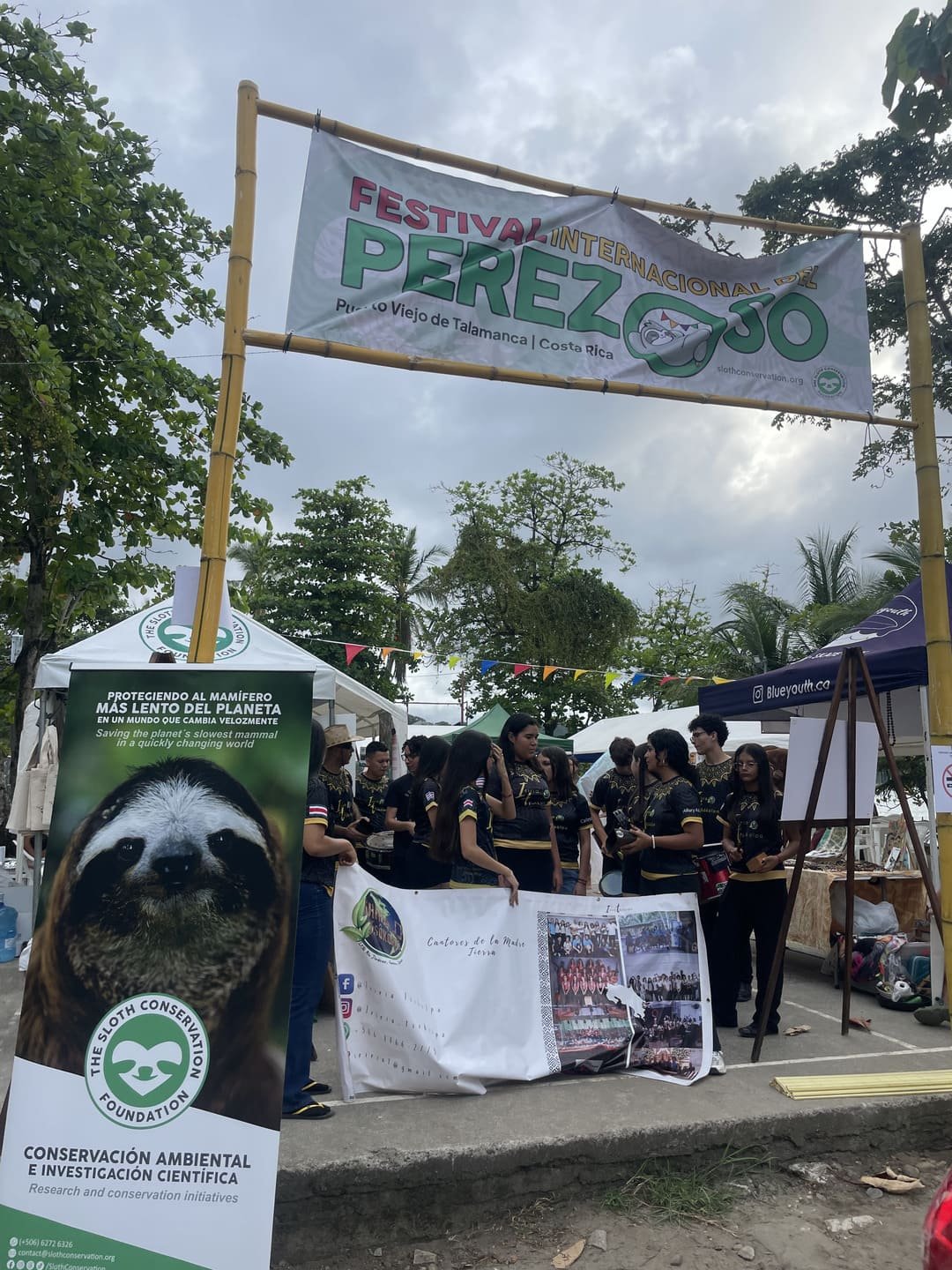
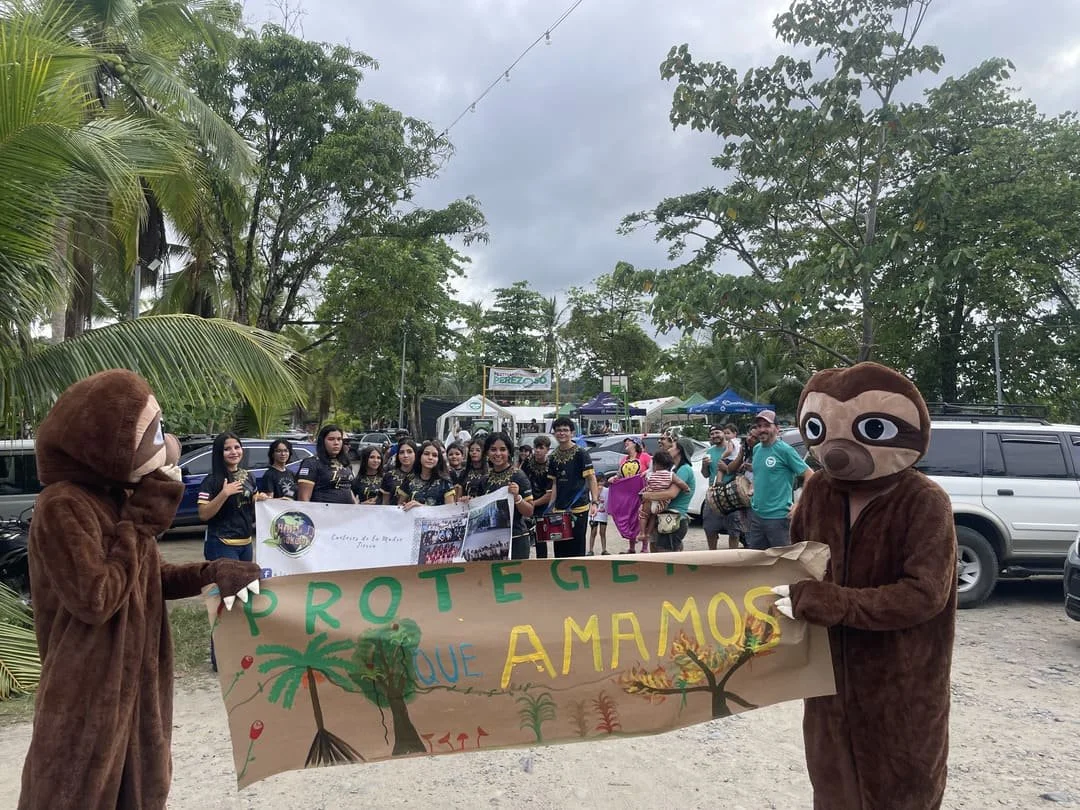
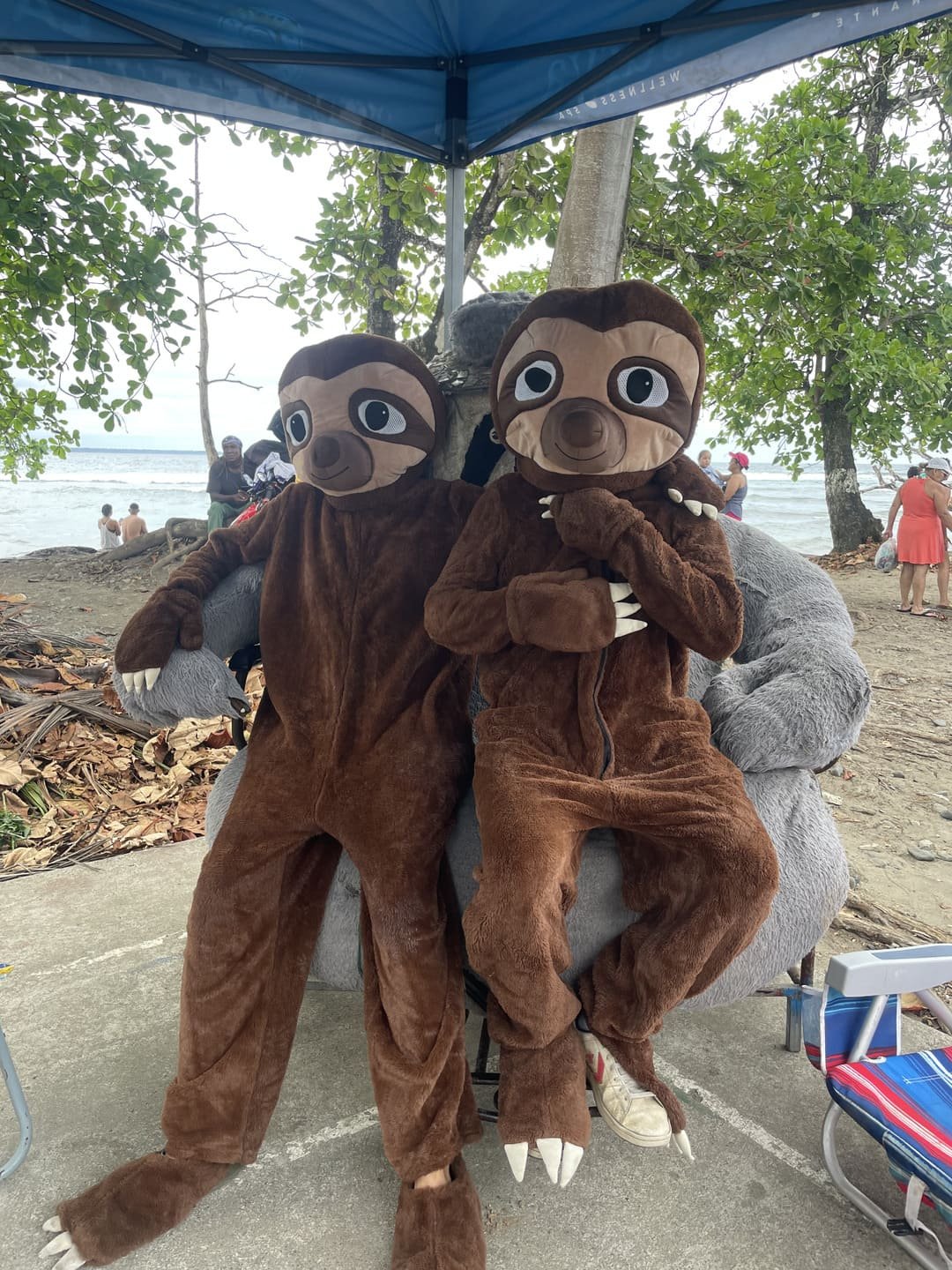
The celebration also filled with movement and color, with a street parade, circus performers, a dance troupe that got the crowd moving, and a fire show that lit up the festivities.
For the closing musical performance, we had the honor of welcoming Jhony Dread, an international reggae artist based in Puerto Viejo and a friend of the Sloth Conservation Foundation. He shared his original music and a message of respect for Caribbean culture, identity, and rhythms of life.
And then, as so often happens here, the rain arrived.
After a hot day, the skies opened. But neither the musicians, the performers, nor the audience let the rain stop the celebration.
The music continued, people kept dancing, and the joy lasted until the very end.
It was an ending that felt unmistakably ours, unmistakably Caribbean. A reminder that we live alongside nature’s cycles, with sunny days, unexpected downpours, and all the life that flourishes because of them.
Much More Than a Festival: A Community Committed to Sloth Conservation
At the end of these three days, we were left with a sense of gratitude and hope.
The 3rd International Sloth Festival was a place to learn, share research, discover local projects, enjoy art, and come together through our love for sloths.
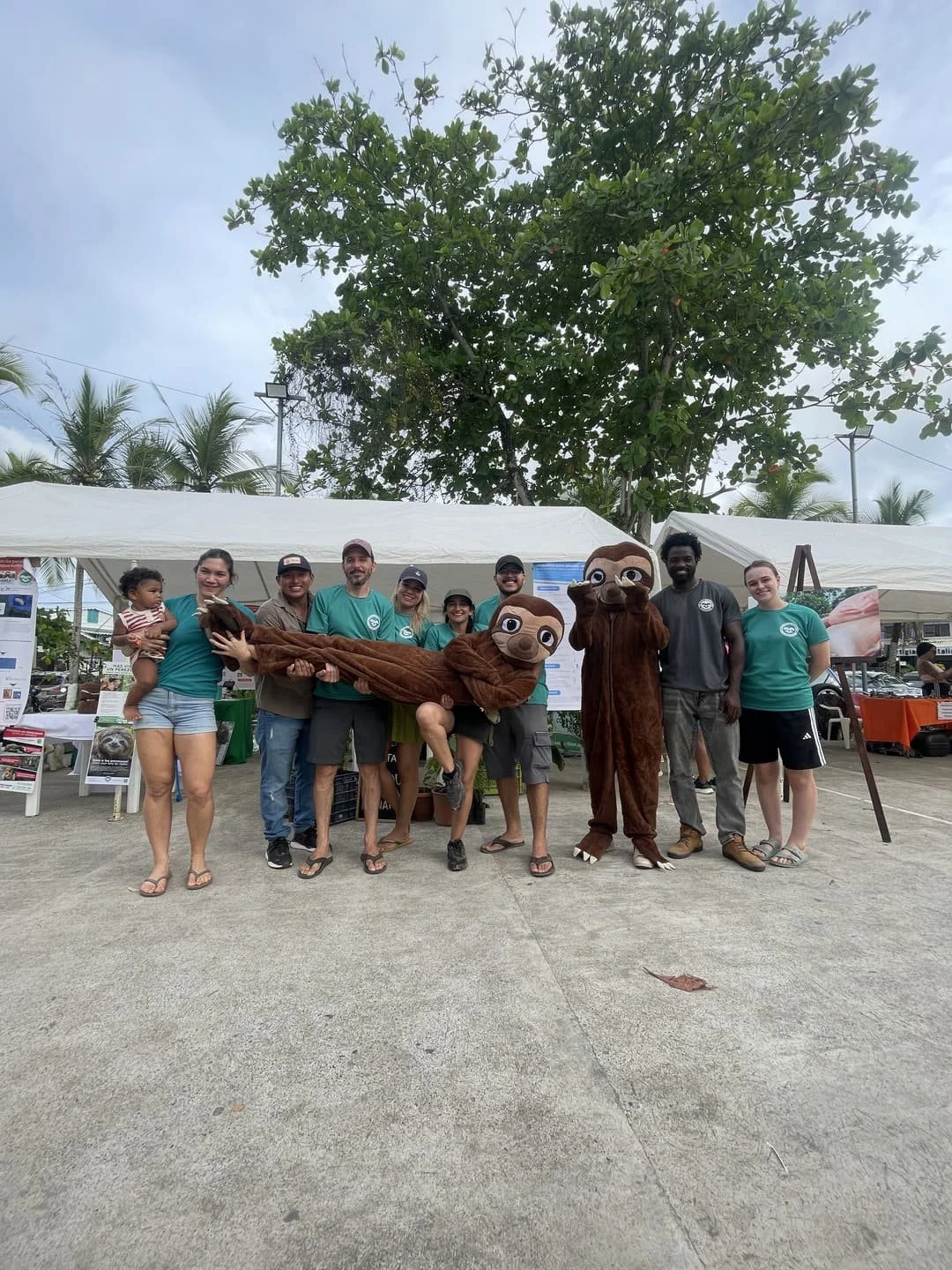
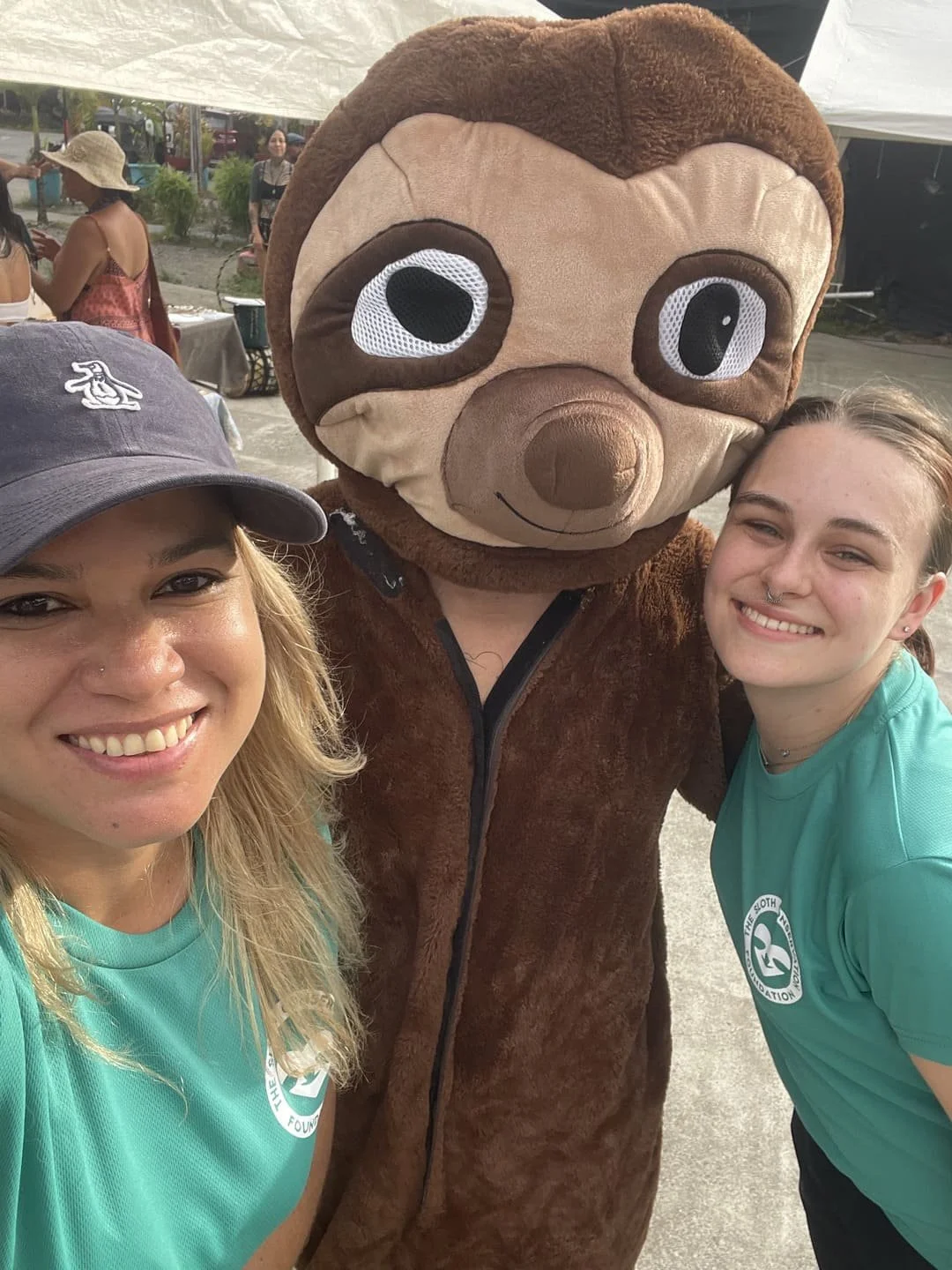
It reaffirmed that Puerto Viejo is home to a community that deeply loves and values nature, and that protecting sloths and their habitat depends on building solutions together.
None of this would have been possible without the commitment of the participating organizations, the talent of the artists, the hard work of our team and volunteers, the support of public institutions, and, especially, the trust and generosity of our sponsors, donors, and supporters.
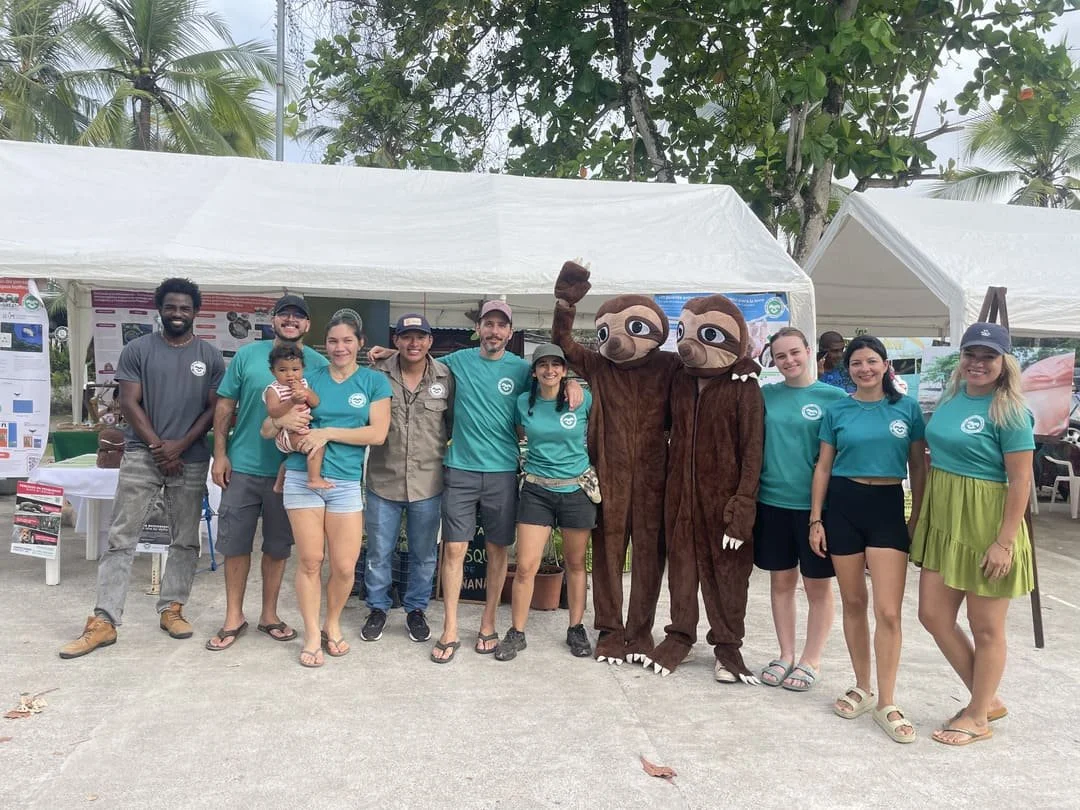
To every person and organization that made this third edition possible: thank you for believing in protecting sloths in the wild and helping us bring this celebration to life.