

November 2024 | Tales From The Jungle
As December sneaks up on us, we are diving into our year-end reflections (and annual reports – yes, we have to prepare more than one!). Looking back, we’re incredibly proud of all that we’ve accomplished in 2024, and we’re already setting our sights on new goals for 2025 with our upcoming strategic plan.
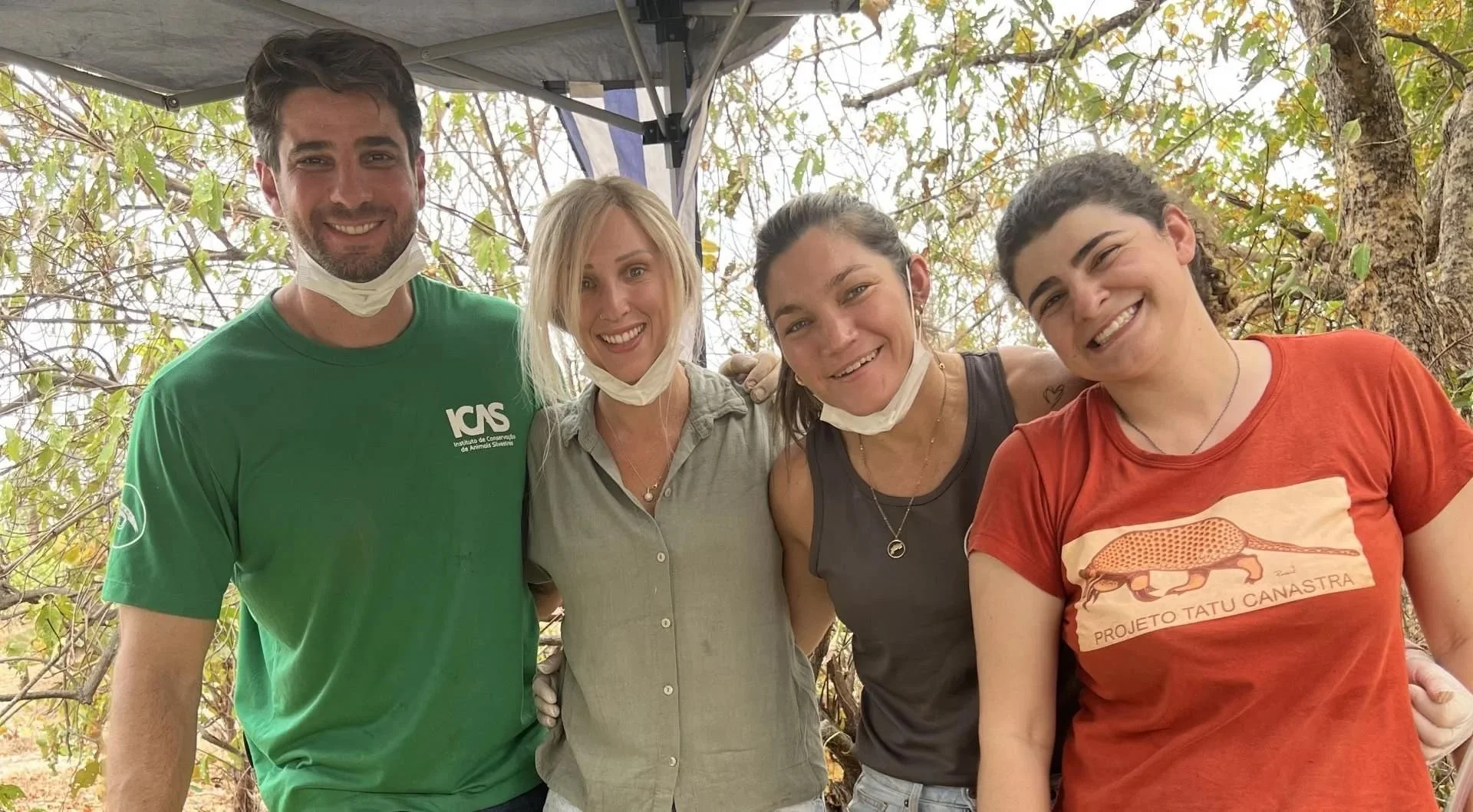
Team Sloth Goes To Brazil to Meet Giant Armadillos
Sloths and giant armadillos belong to the superorder Xenarthra, and although they may seem like very different animals—one living high in the canopy and the other underground in burrows—they actually have many things in common, especially when it comes to conservation challenges.
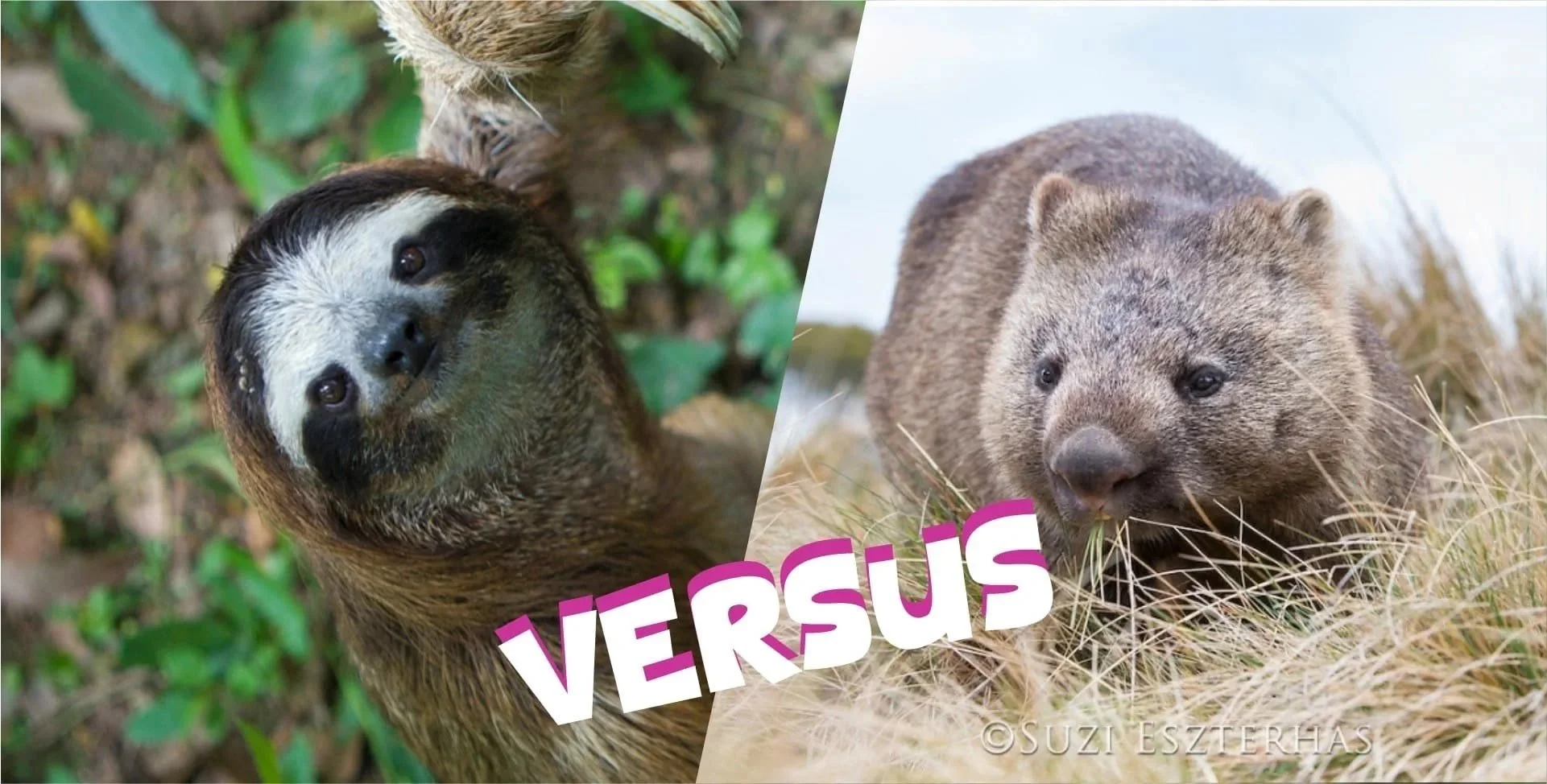
Sloth Versus Wombat
In the wild, some animals are just delightfully strange, which is the case with sloths and wombats. Sloths, with their slow lifestyles, seeming to live in a world where time barely exists, while wombats, with their chunky bodies and burrowing skills, are underground architects of the wild. In this blog, we’ll take a closer look at these quirky critters and see what makes them so fascinating and special.
Slothtober 2024 | Tales From The Jungle
October (Slothtober!) is one of our busiest (and favorite!) months of the year—not only because it’s an entire month dedicated to celebrating all things sloth, including International Sloth Day on the 20th, but also because it provides us with the perfect opportunity to amplify our mission and engage more people than ever in the urgency and importance of sloth conservation, habitat preservation, and reforestation!
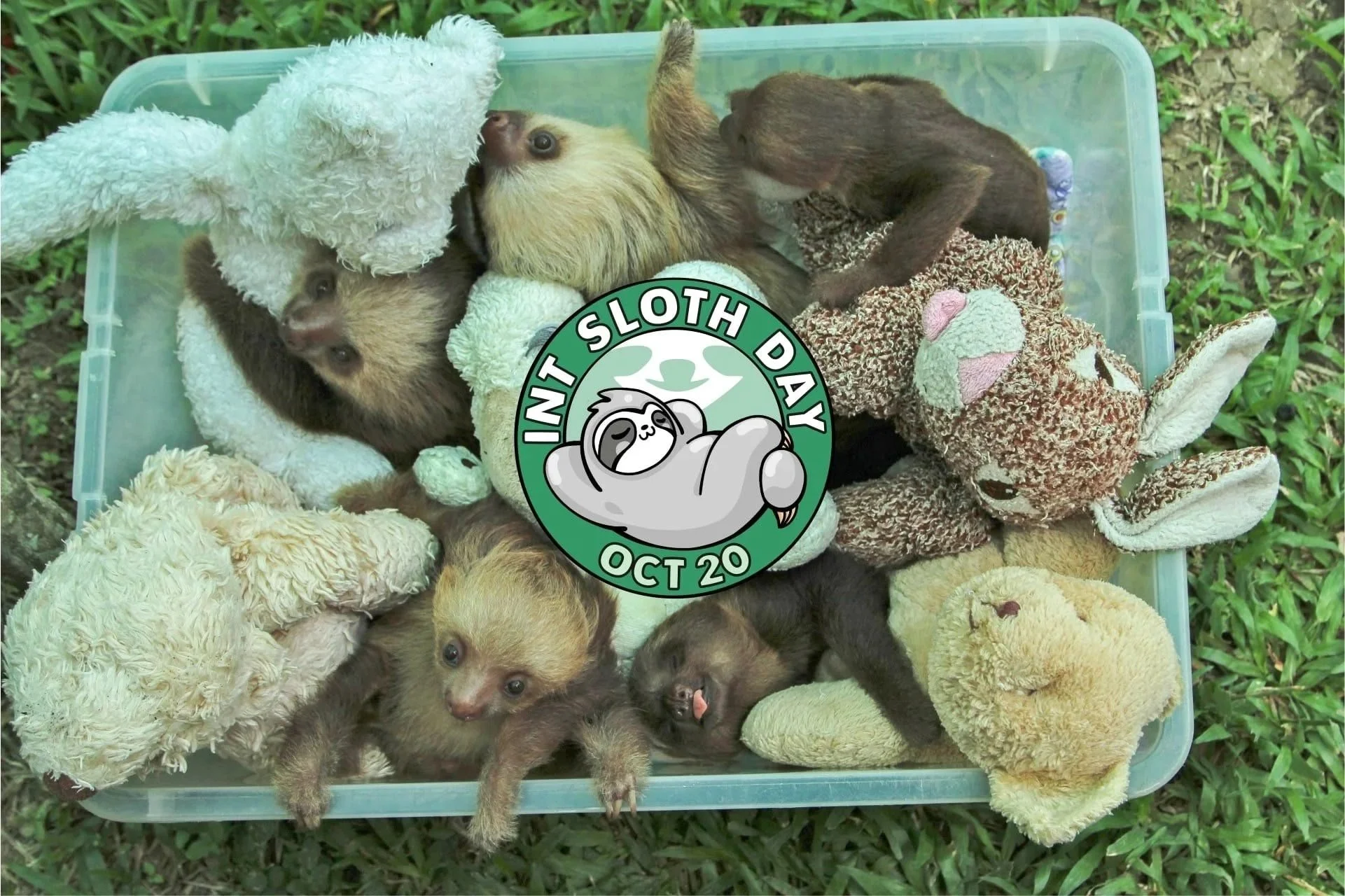
A Snuggle of Thank Yous For Sloth Day
Gregarious animals, or animals that live in groups, often have unique collective nouns to refer to them. For example, a group of flamingos is called a flamboyance, while a group of owls is known as a parliament. You may have also heard of a conspiracy of ravens or a murder of crows. But what about sloths?
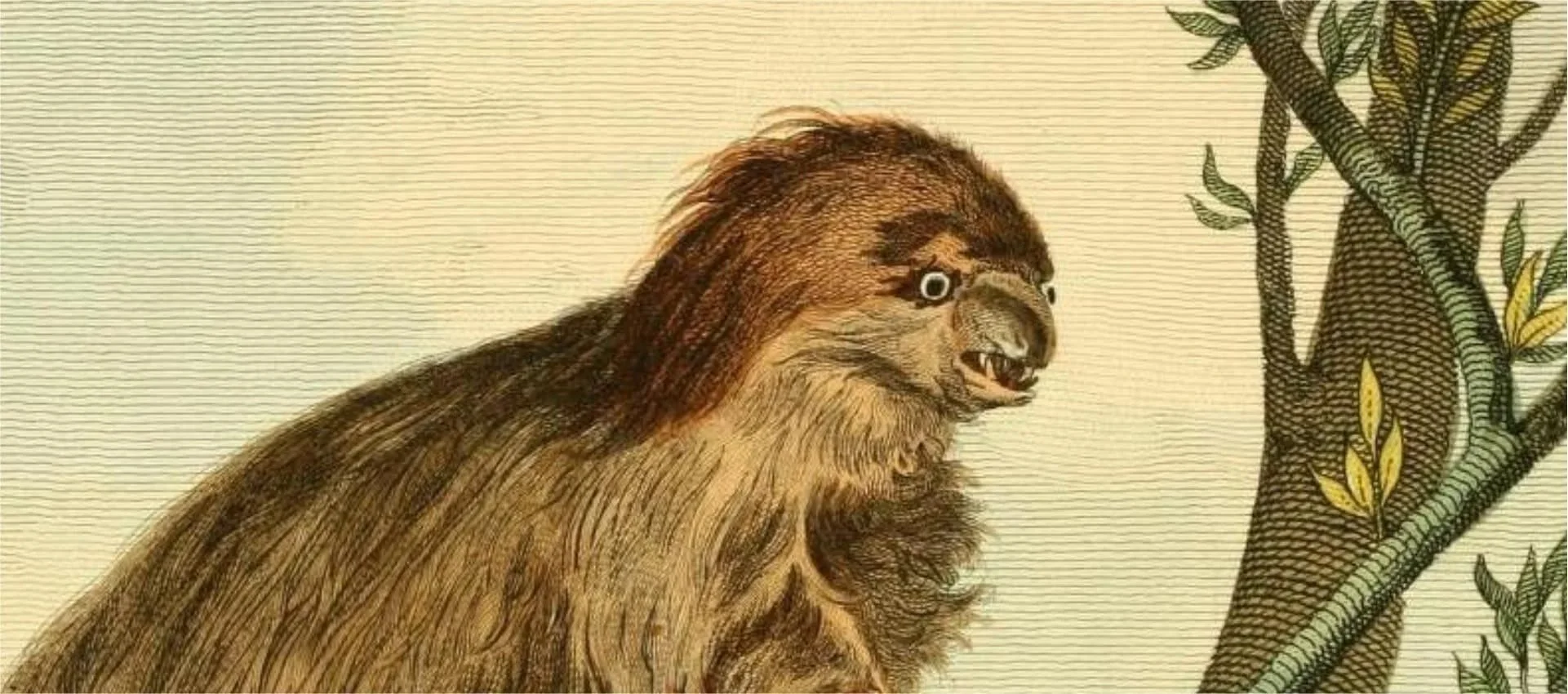
On a scale of medieval sloths, how are you feeling today?
Well, since these illustrations date from the 1700s to the 1800s, they technically represent ‘Enlightenment’ or ‘Victorian’ sloths, as those are the historical periods often associated with these centuries. But let’s not get too scientific for the sake of a good old-fashioned meme!
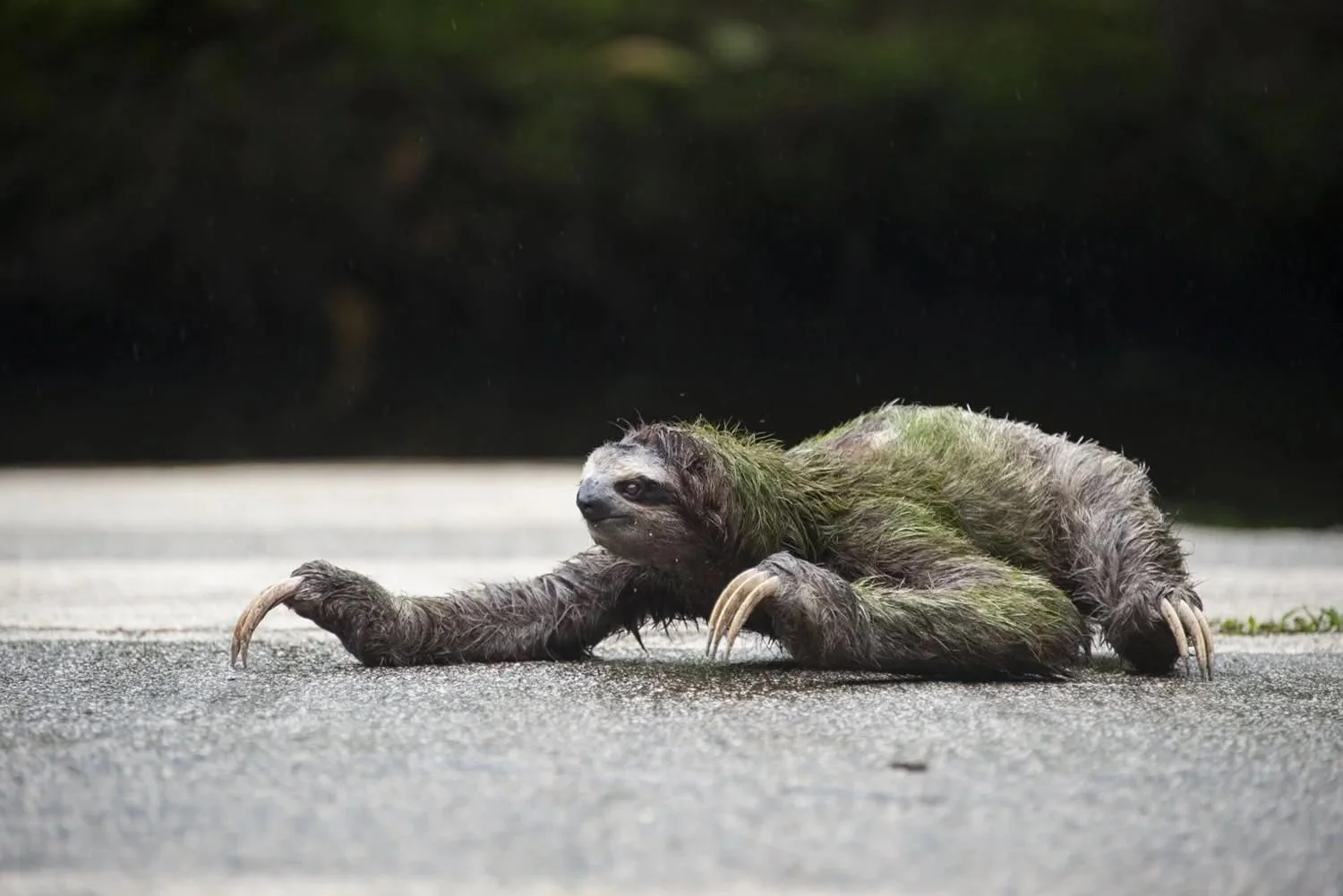
Utopia For Sloths (And Humans)
If you’ve been following our work for a while, you already know that finding sloths in the most unnatural places here in the South Caribbean is something we encounter almost every day. While it may seem delightful for tourists and appear ‘picturesque’ to see a sloth above a restaurant’s dinner table, it highlights the serious issue of urbanization encroaching on sloth habitats.
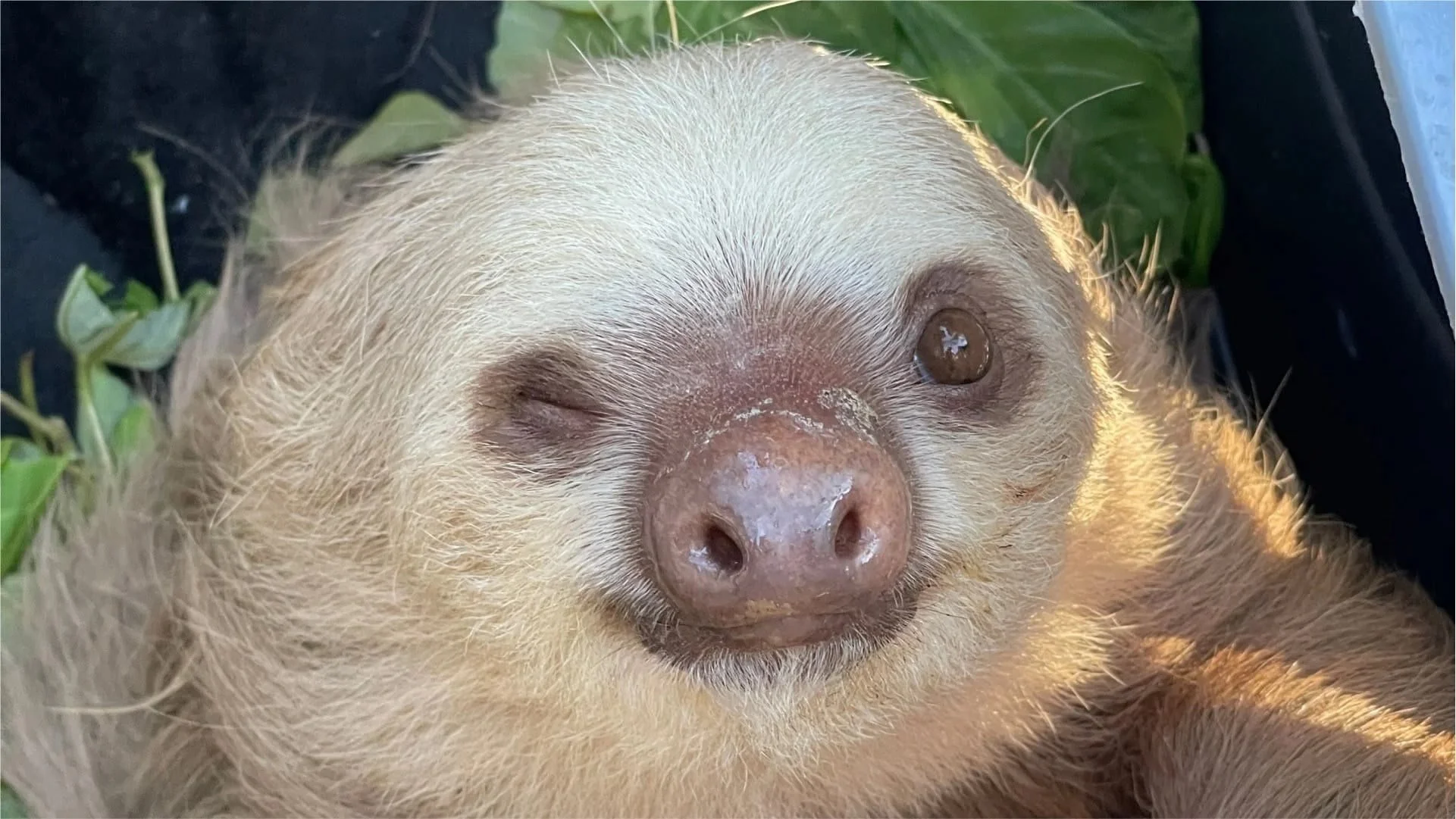
Angel's Journey
We do a lot of work to help wild sloths, and it’s great when we receive, for example, reports of them using our canopy bridges; but besides the photo or the video, we don’t know anything else about those sloths. So it’s very interesting when we have the opportunity to closely study and follow a particular sloth because we can learn so much from them. Today we want to share with you the story of a very special sloth named Angel.
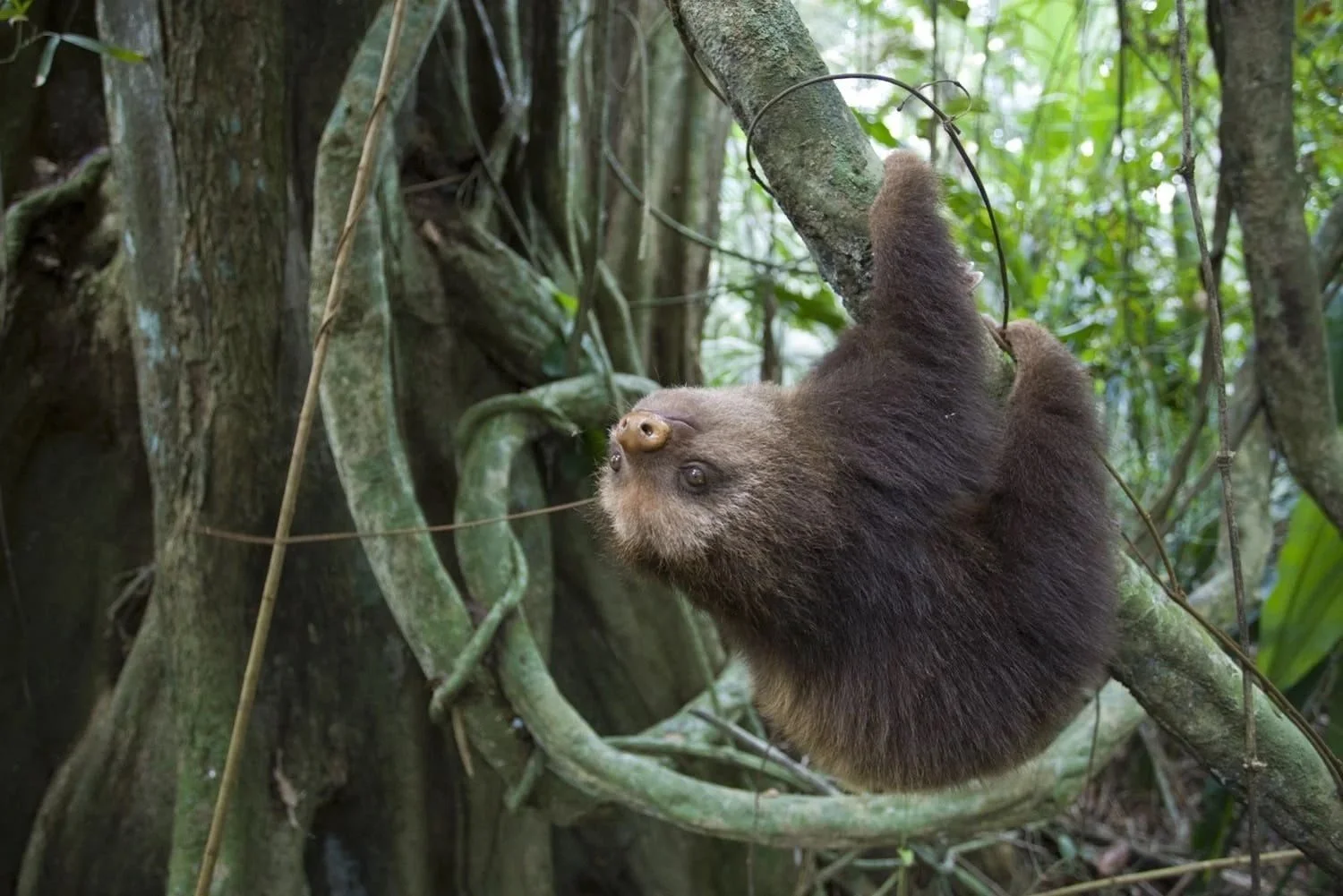
2024 | Climate Change Threatens the Future of Sloths
Cliffe, R.N., Ewart, H.E., Scantlebury, D.M., Kennedy, S., Avey-Arroyo, J., Mindich, D. and Wilson, R.P., 2024. Sloth metabolism may make survival untenable under climate change scenarios. PeerJ, 12, p.e18168.
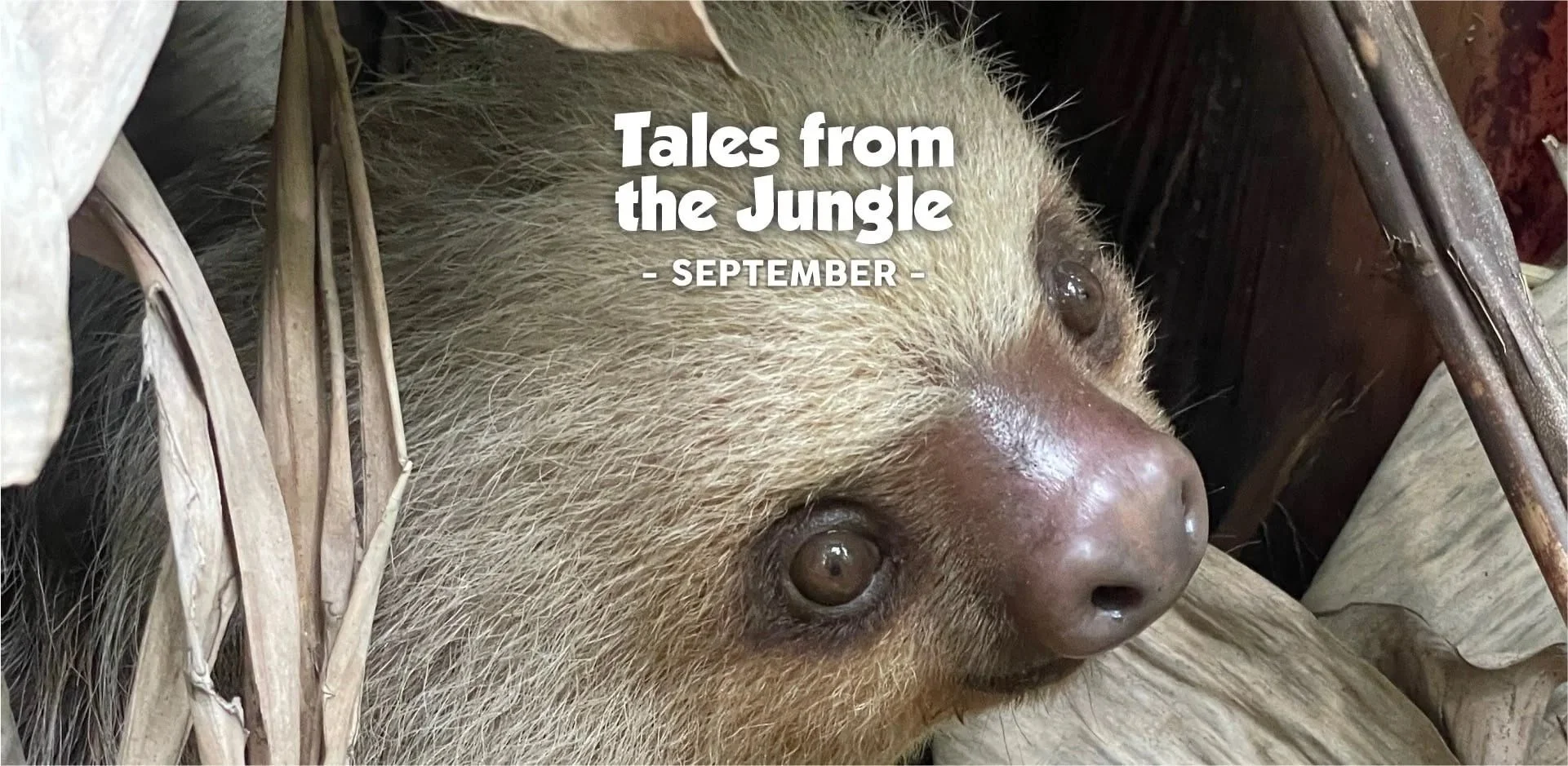
September 2024 | Tales From The Jungle
Slothtober is just around the corner, and we’re really excited to kick off our favorite month of the year! But September was indeed another busy month.
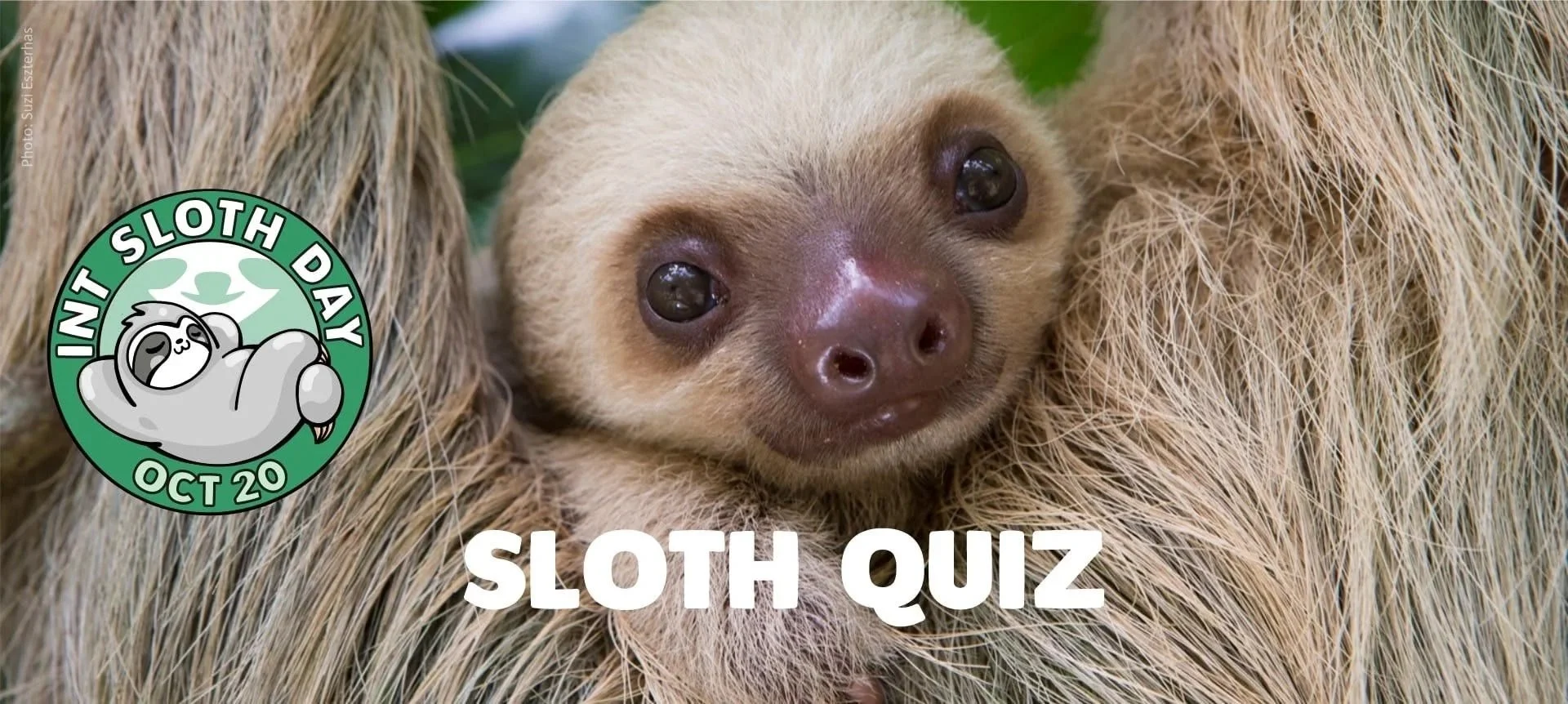
QUIZ | Are You a Sloth Expert? Two-Fingered Edition
Although often referred to as two-toed sloths, this description can be a bit misleading since all sloths have three toes on their hind limbs. The real difference lies in their forelimbs, where sloths in the Choloepus genus have two fingers.
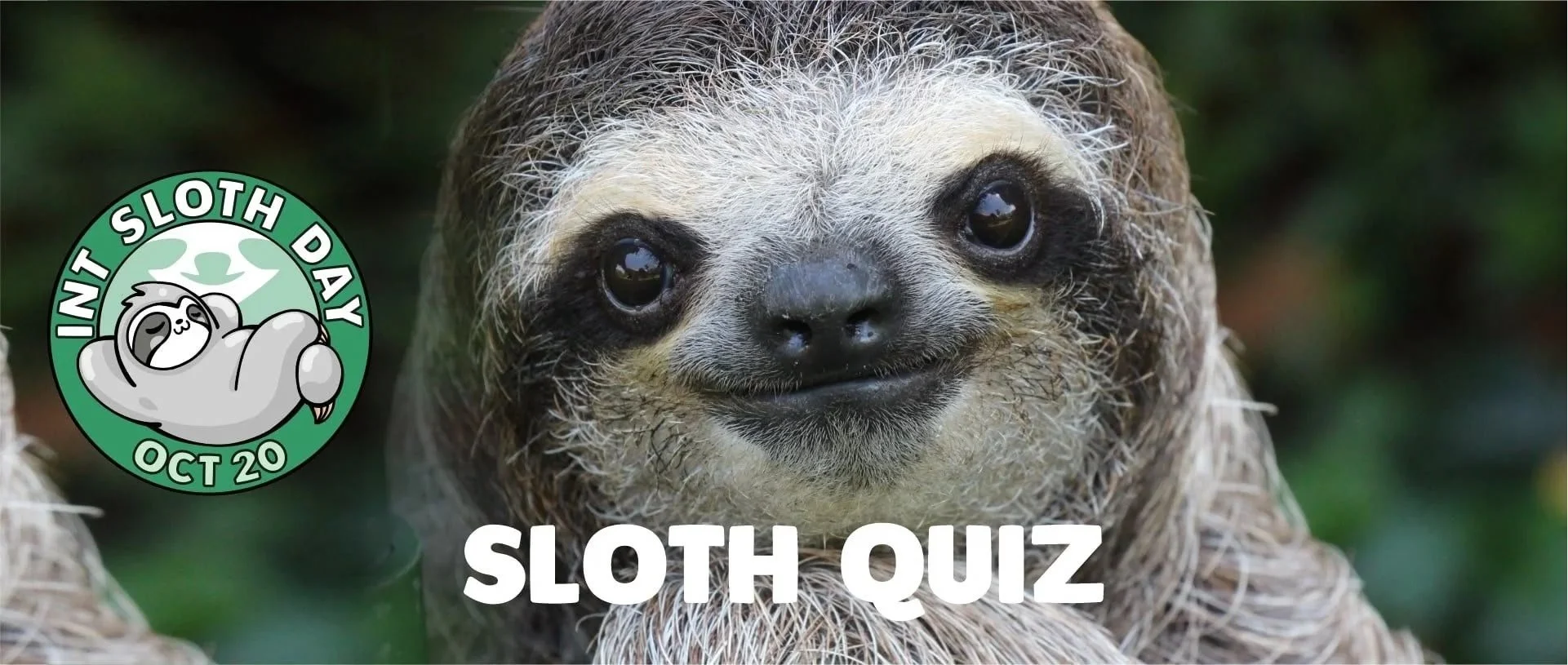
QUIZ | Are You a Sloth Expert?
The definitive quiz and trivia for sloth experts! This time, we have the three-fingered sloth edition to celebrate the Bradypus genus. Don’t be fooled by the first question—it’s just an easy one to get you warmed up!
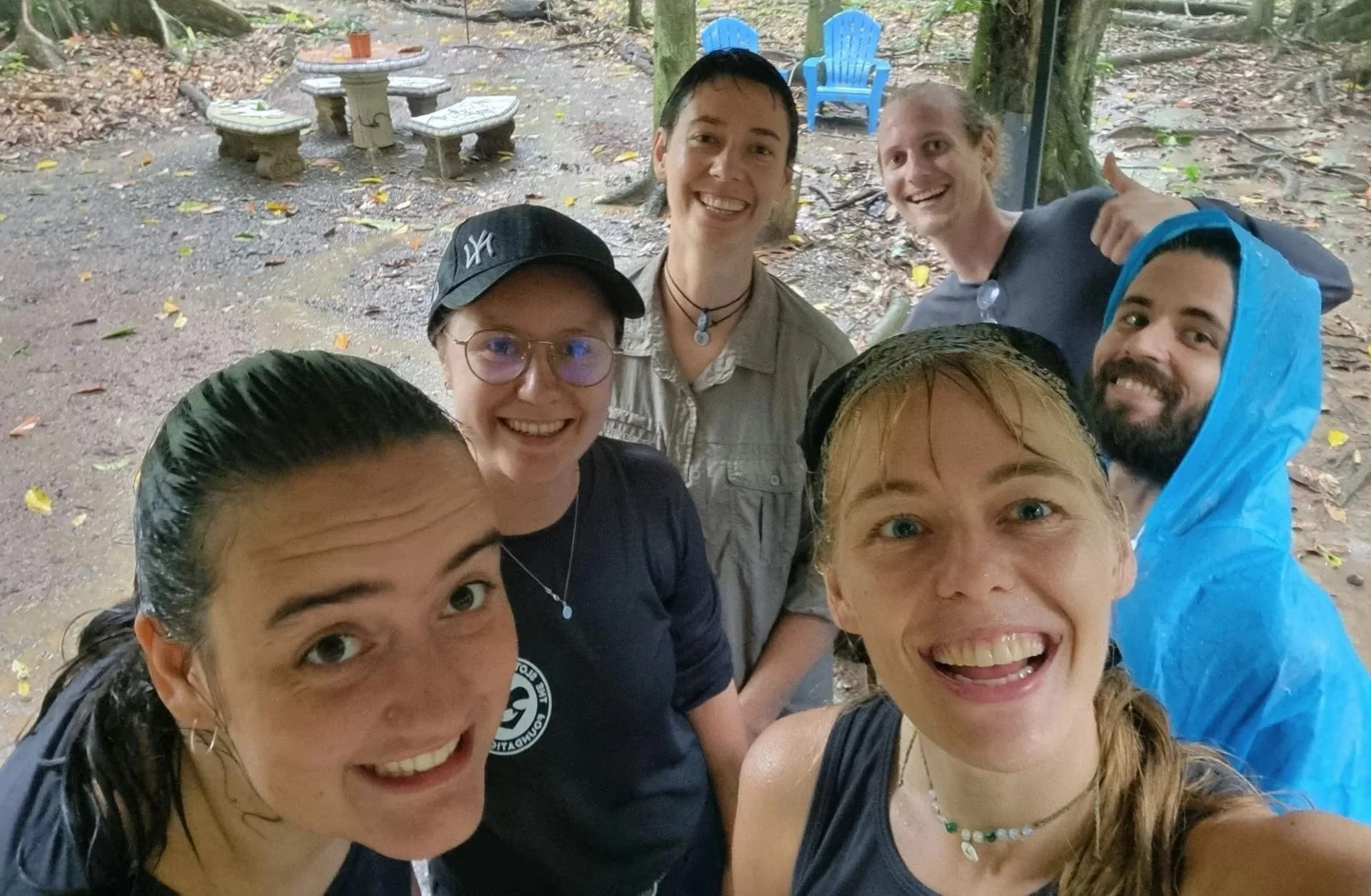
Counting Trees and Tracking Sloths | Tracking Diaries #17
Trees, more trees. Ten, a hundred, a thousand, more?! The beginning of the Great Sloth Census (a different research project SloCo is conducting to study the population of sloths) is definitely not easy.
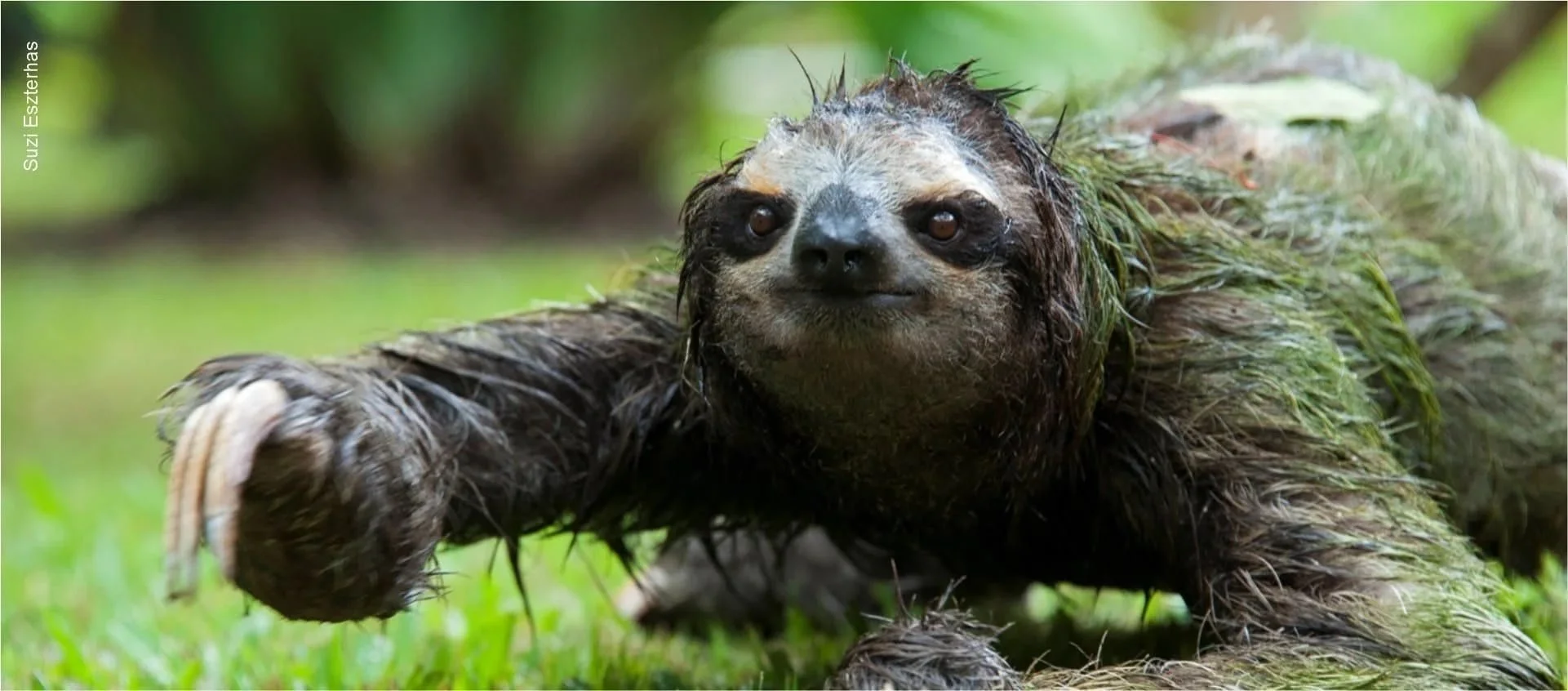
"Sloth virus" Explained: How Media Hype Is Misleading the Public
Contrary to the news reports, the virus in question, referred to as a “sloth virus,” is not exclusive to sloths.
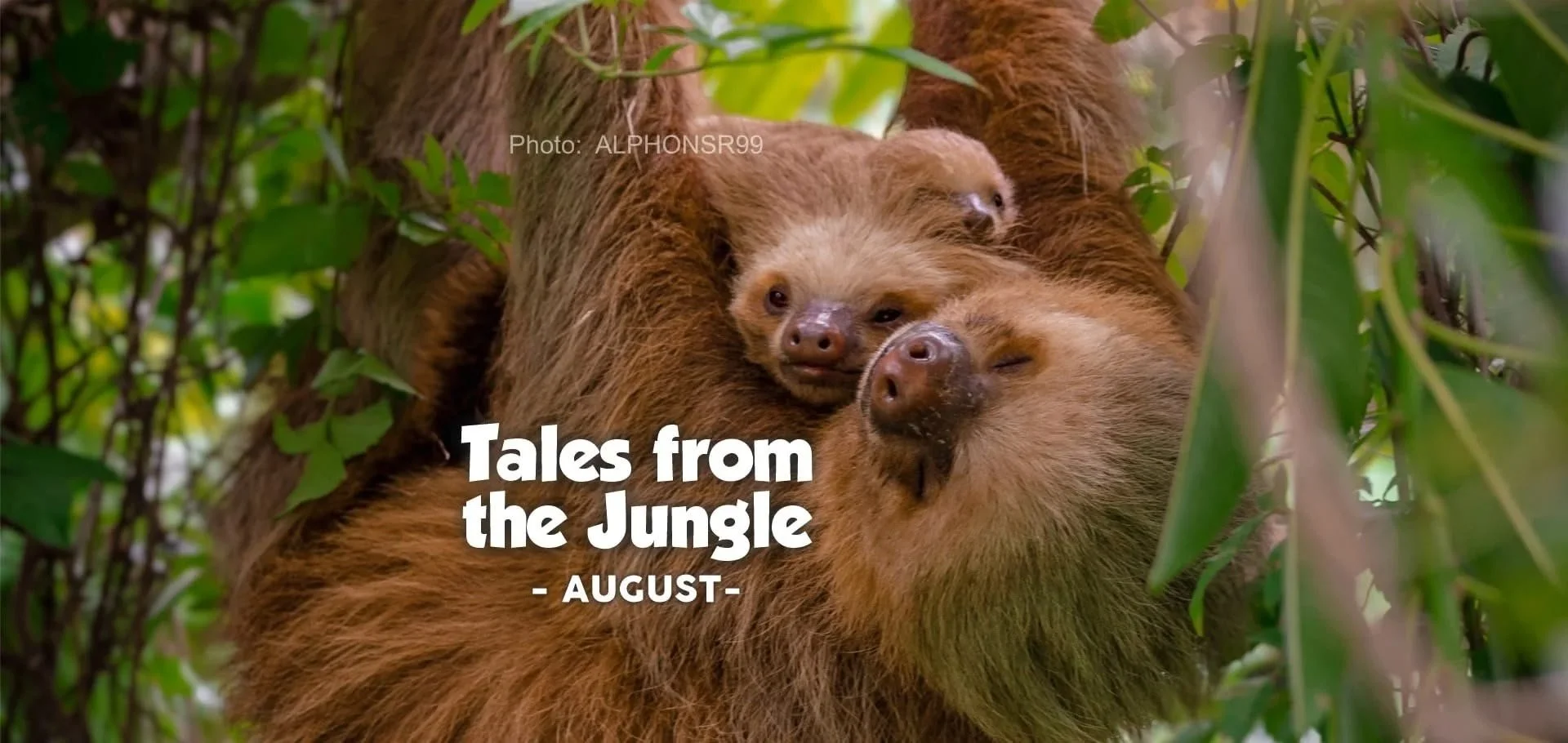
August 2024 | Tales From The Jungle
August has been a really hectic month here in the South Caribbean, and as typical of the rainy season, we had several storms throughout the month that made us postpone or cancel our plans many times.
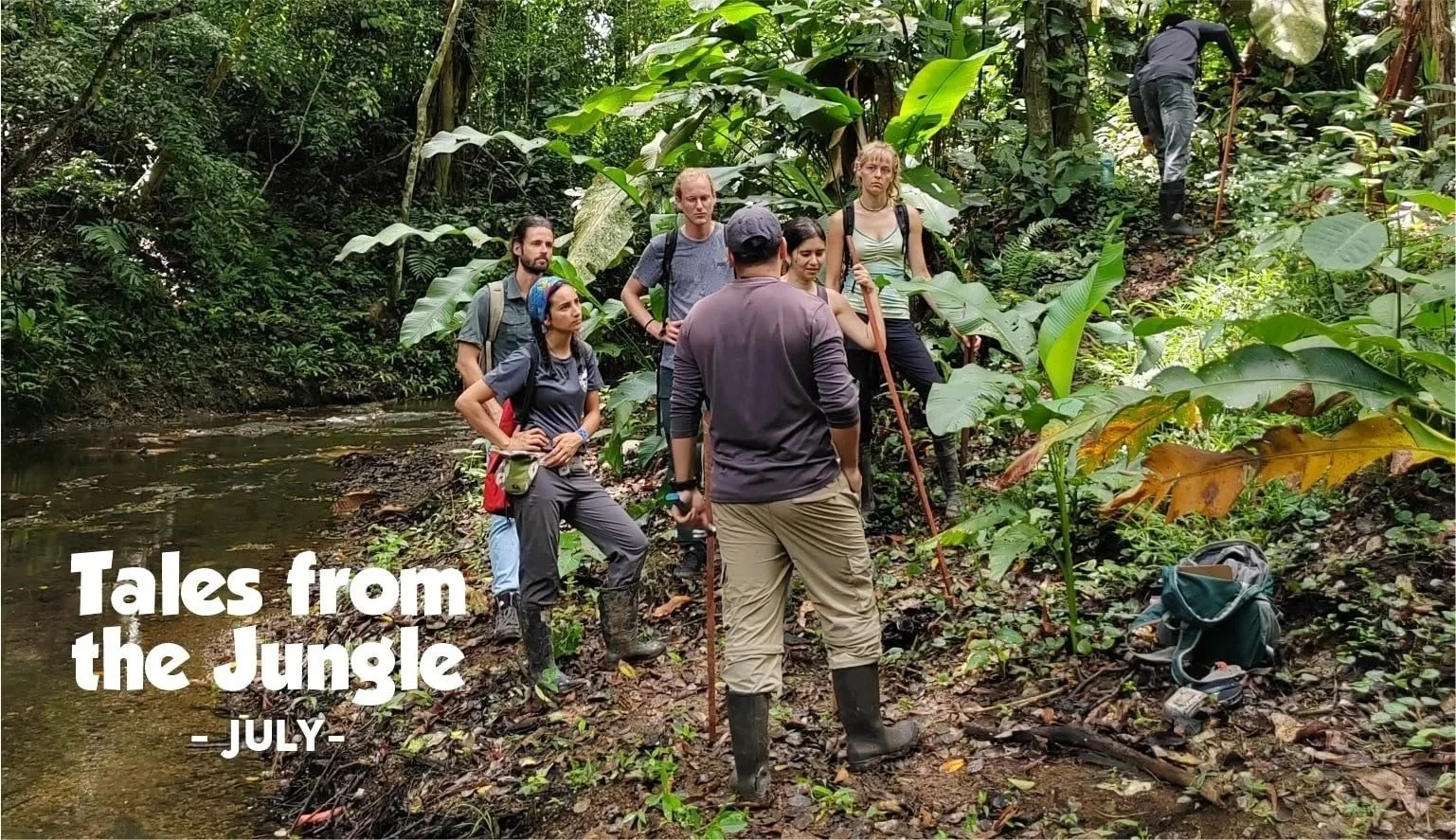
July 2024 | Tales From The Jungle
Hello, dear Sloth Community! The peak of summer and the rainy season has brought us big thunderstorms, flooding, and the high season for tourism in Costa Rica. Despite these challenges, we have continued with our usual work of planting trees and installing canopy bridges, spaying and neutering rescued dogs, and monitoring our sloths for the Urban Sloth Project.

Dr. Rebecca Cliffe received the Honorary Award of Doctor of Science from Swansea University.
On July 25, the founder and executive director of The Sloth Conservation Foundation, Dr. Rebecca Cliffe, was awarded the honorary title of ‘Doctor of Science’ by Swansea University in Wales, in recognition of her groundbreaking work in research and conservation.
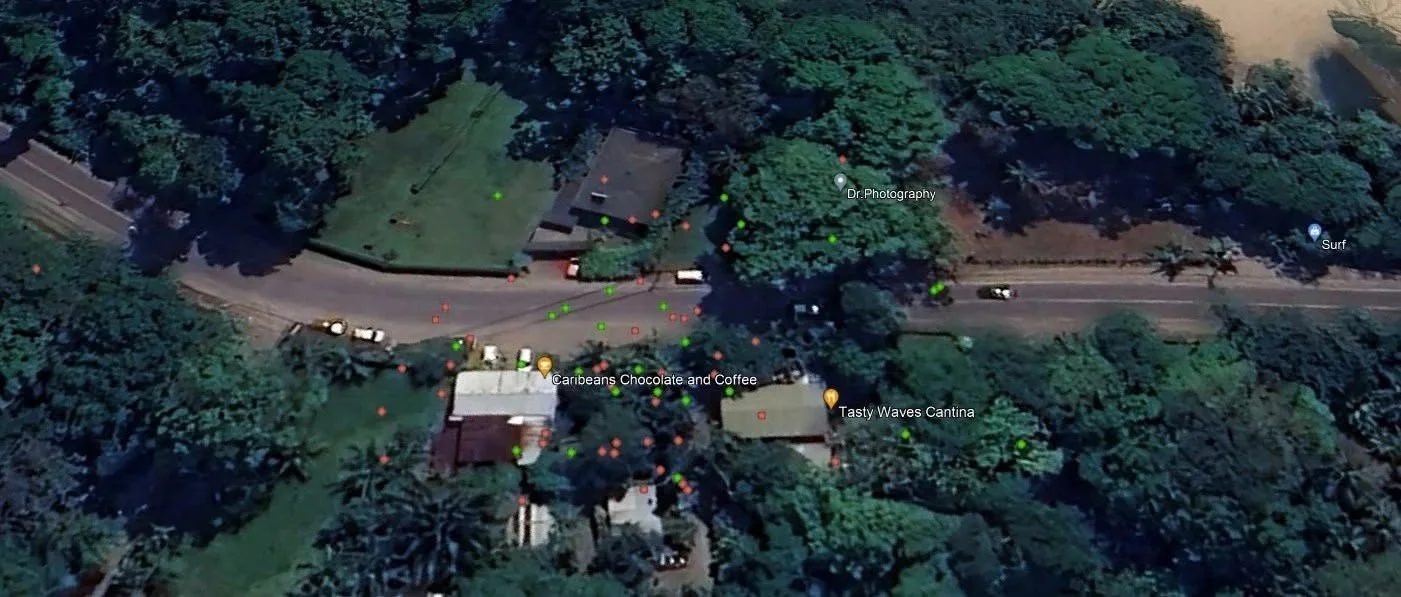
GPS Collars and Accuracy to Study Sloths
Studying the GPS locations of an animal that doesn’t move much is challenging compared to studying species that travel a lot, such as whales and cheetahs. When studying sloths, accuracy is what we need to focus on.
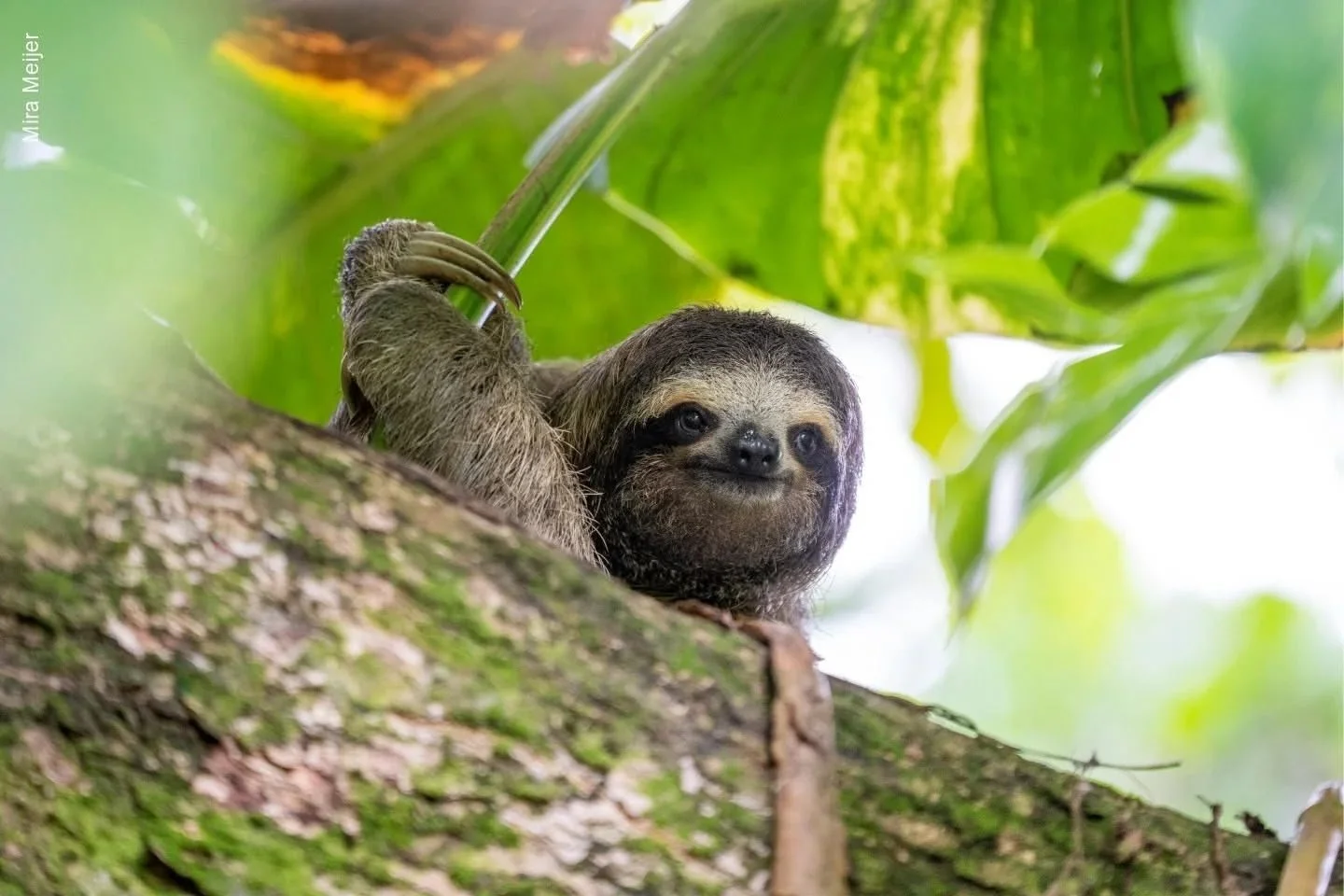
When SLOW meets FAST | Documentary
This short documentary, filmed and edited by Mira Meijer, follows Dr. Cliffe and The Sloth Conservation Foundation team on the journey to a healthy sloth population and peaceful coexistence with humans in the growing town of Puerto Viejo in Costa Rica.
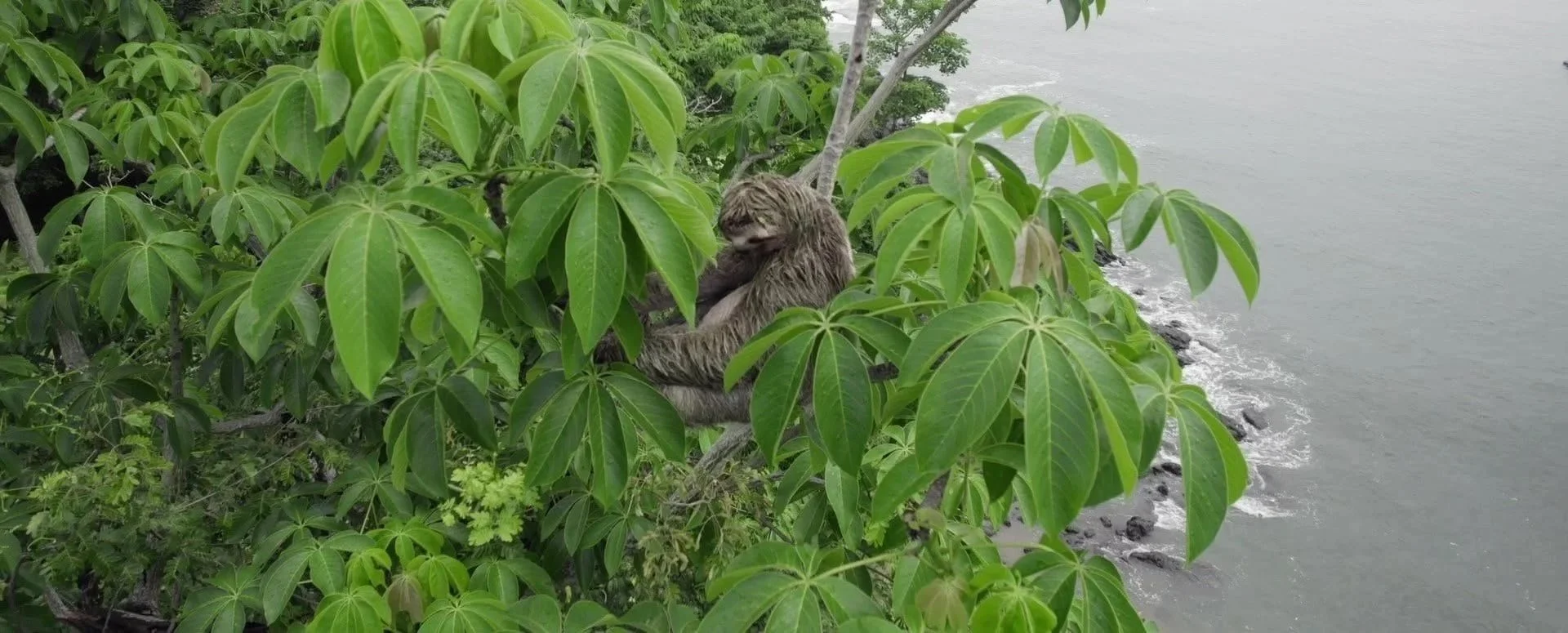
Osa Peninsula: One of the Best Places to See Wildlife… But Not Sloths
The Osa Peninsula, located in the South Pacific area of Costa Rica, is one of the most biodiverse hotspots on the planet, containing 2.5% of global terrestrial biodiversity in just 1,200 km²! On social media, you can see footage of tour guides constantly spotting tapirs, monkeys, and even jaguars.