Tales from the Jungle | July 2026

Working with sloths, we've learnt to be pretty patient. It's a good job, really, because July certainly tested ours. Here on Costa Rica's Caribbean coast, the rainy season arrived with full force. It rained every single day for three weeks. Roads were washed away, fallen trees blocked our routes, power cuts became part of daily life, and many of our field days had to be completely rearranged around the weather. Sometimes, all you can do is embrace a little sloth patience. Despite the storms and the power outages, Team Sloth has been as busy as ever. Here's what we've been up to this month.
Luiza Is Back!
A few weeks ago, one of our long-term study sloths, Luiza, unexpectedly disappeared from our radar. Her collar stopped transmitting months earlier than we expected. We had hoped the battery would last until the end of the year, so losing her signal came as a real surprise. Thankfully, we know Luiza's home range very well. After a full day of searching using a ten-person field team and our thermal drone, we finally spotted her... exactly where she wanted to be: very high in the canopy.
Unfortunately for us, she chose a tree that was far too tall for us to safely reach her. So after all that excitement, we had to leave her where she was and wait patiently for another opportunity. As with most things in sloth research, the sloths usually have the final say.
Sloths in the Heart of the City
This month, our lead researcher José Guzmán travelled to the University of Costa Rica in San José to give a guest lecture to biology students and local wildlife guides. One of our favourite things to tell people is that you don't have to travel deep into the rainforest to find wild sloths.
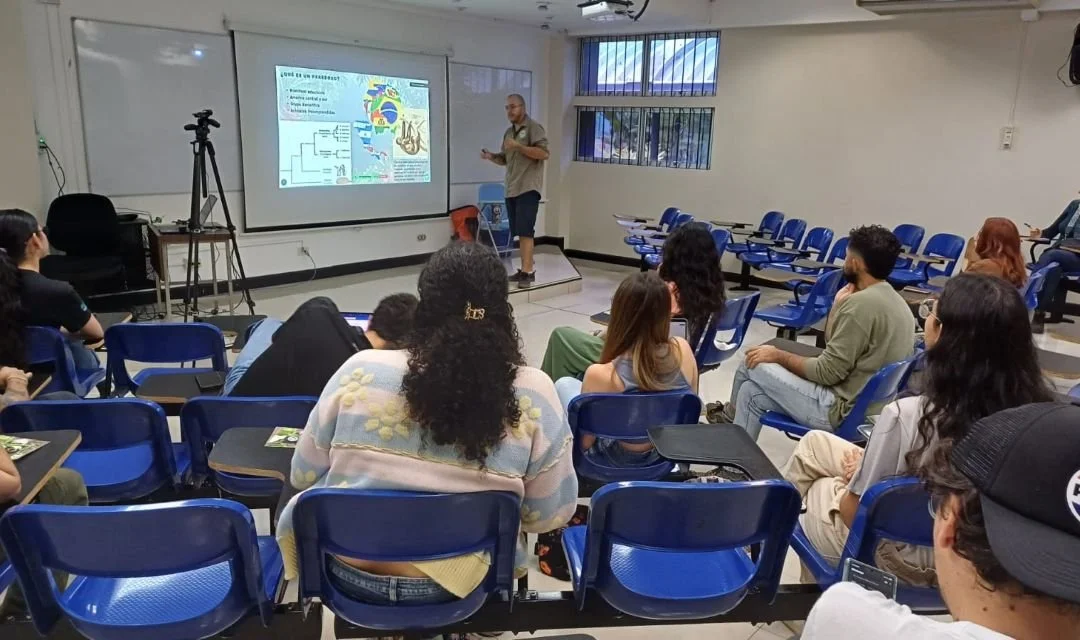
The university campus itself is home to a surprising population of sloths living right in the middle of Costa Rica's largest city. For many of the students, it's the first time they've realised that urban areas can play such an important role in wildlife conservation.
Building Better Wildlife Tourism
Wildlife tourism can be a powerful force for conservation, but only if it's done responsibly. Throughout May and June, more than 50 local tour guides joined our workshops to learn about sloth biology, behaviour and responsible wildlife watching, and now we're taking the next step.
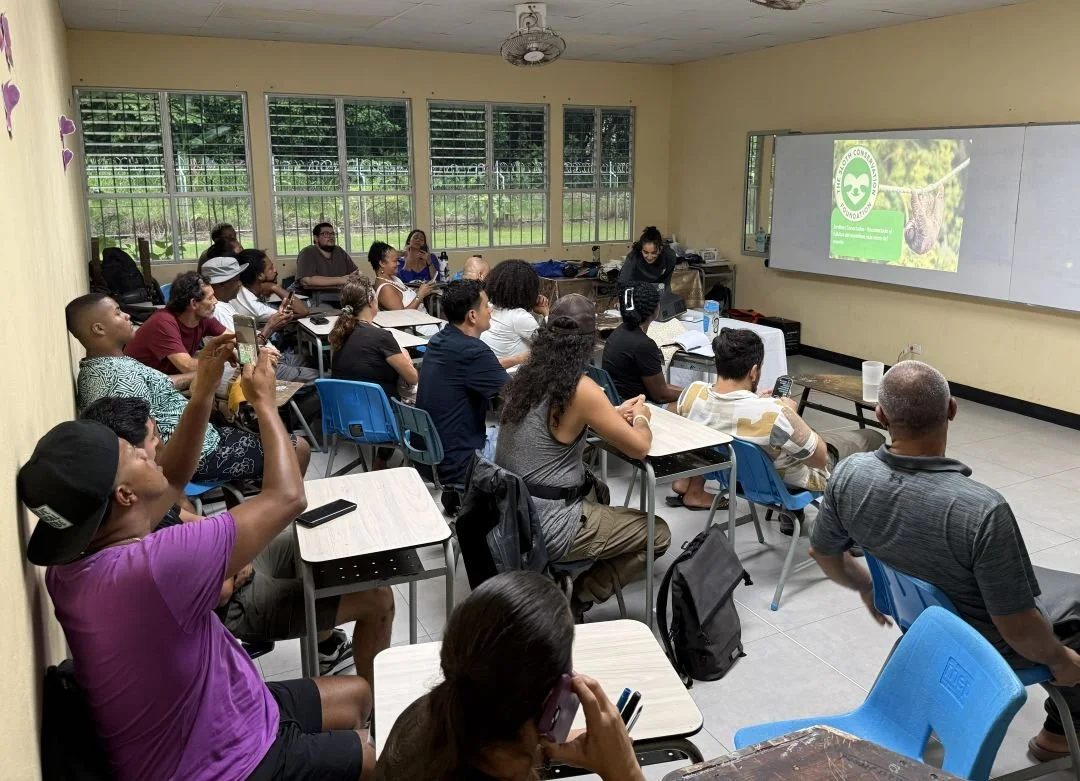
Together with many of those same guides, we're developing a practical guide to responsible wild sloth observation, combining scientific research with years of field experience. Our hope is that it becomes a useful resource for guides across Costa Rica, helping ensure that tourism continues to benefit both visitors and, most importantly, the sloths themselves.
Connected Communities
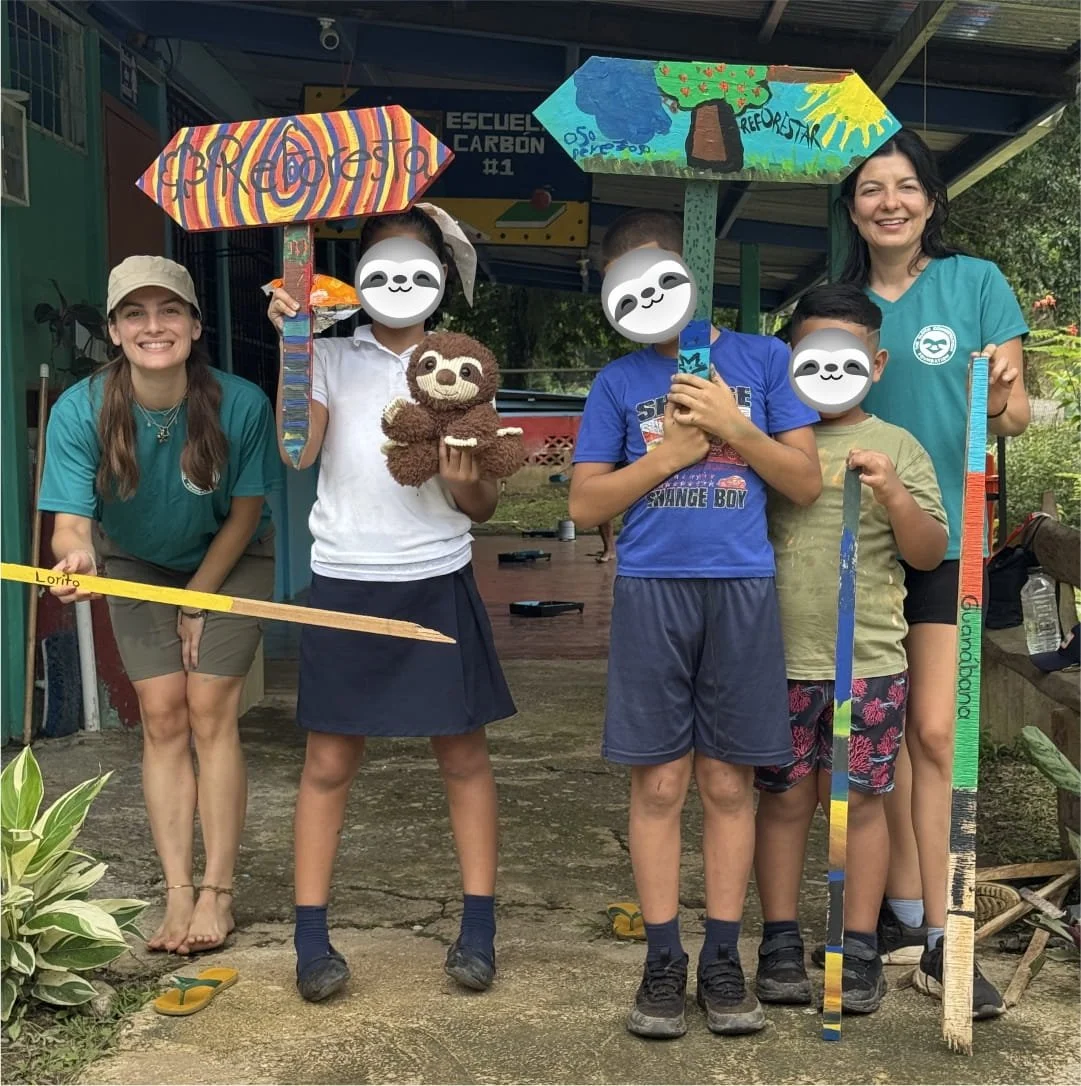
This month our team continued working alongside families and landowners in the Indigenous Territory of Kéköldi as they restore the connectivity of the rainforest across their properties. We also planted native trees with children at one of our local schools, ran a workshop with local tourism businesses on living alongside wild sloths, and have been busy preparing for the return of our Kukula Kids environmental club next month. Seeing children grow up excited about protecting wildlife might just be one of the most rewarding parts of our work.
From Lions to Sloths
Last year we had what felt like either a brilliant fundraising idea... or a completely ridiculous one. What if we auctioned off a lion safari in Zimbabwe to raise money for our future headquarters? Thankfully, it turned out to be the first.
This month, SloCo Trustee and award-winning wildlife photographer Suzi Eszterhas and I travelled to Zimbabwe with the winning bidders for an unforgettable week tracking lions through the African bush. To everyone who supported the auction, thank you. It was a magical experience, and every penny raised is helping us build a permanent home for sloth conservation here in Costa Rica.
Our Future Home
This might be our favourite update of the month. Last month we showed you the foundations of our future headquarters, and this month... it's finally starting to look like an actual building. After years of fundraising, paperwork, permits and engineering plans, seeing walls finally rise out of the ground feels quite emotional. There's still a long road ahead, but for the first time it's easy to imagine Team Sloth working from a permanent home built specifically for sloth conservation.
When Technology Doesn't Cooperate
Not every challenge this month came from the weather. We've recently experienced unexpected battery failures in several of our sloth tracking collars. Although the manufacturer estimates a battery life of around two years, the batteries begin slowly discharging from the moment they're produced. By the time the collars reach Costa Rica, make their way through customs, and are finally fitted onto a sloth, valuable battery life has already been lost.

Luiza with a VHF collar
When a battery dies earlier than expected, it leaves us with a challenge. We would never leave a tracking collar on a sloth permanently, so instead we have to head back into the jungle and find that individual again by hand. It can take days of searching before we finally spot them high in the canopy, but that's all part of long-term wildlife research. It's not easy - but we will always go and find our sloths.
Looking Ahead
Progress in conservation is rarely fast, but it is worth it. Every tree planted, every sloth tracked, every community workshop, every research paper and every child inspired brings us one small step closer to a future where sloths can continue thriving in the wild.
As always, none of this would be possible without you. Whether you've adopted a sloth, joined the Sloth Fellowship, made a donation or simply shared our work with someone else, you're part of Team Sloth too. Thank you for helping us protect sloths, restore the rainforest and continue asking the scientific questions that lead to better conservation.
We couldn't do it without you.
See you next month, from all of us here in the jungle.