Tales from the Jungle | June 2026

Somehow, we’ve already reached the halfway point of the year (how did that happen?). Summer has officially begun in the northern hemisphere, while here in Costa Rica the rainy season has arrived in full force. The forests are greener than ever, but with that comes heavy storms, lots of mud (and mosquitoes), difficult fieldwork and the occasional reminder that nature always has the final say.
Despite the torrential downpours, it’s been a very busy month for Team Sloth, with plenty happening both in the rainforest and far beyond it. So, here’s our most recent update from the jungle.
Another Step Forward for Sloths in Florida
As many of you already know, we are on a mission to end the commercial sloth trade. Yes, there is a legal trade in sloths, and it's every bit as shocking as it sounds. In Florida, for example, anyone can legally order a wild-caught sloth from South America and keep it as a pet or use it for public encounters. These are sloths that have been violently captured in the rainforest and shipped thousands of miles across the world. We don't believe that should be happening.
That's why we've joined forces with our friends at the Sloth Institute to create the Sloth Protection Alliance, and together we've been working to bring an end to this trade. This month, that work has led to another important step forward.
After introducing an emergency halt on foreign-origin sloth imports in May, Florida wildlife officials have now announced an additional safeguard. Anyone wishing to import a sloth into Florida must first obtain a dedicated Wildlife Importation Permit before the animal can enter the state. This isn't the finish line - there is still a LONG way to go. Our ultimate goal is a permanent nationwide ban on the commercial importation of sloths into the United States. But changes like this don’t happen overnight. They happen through lots of small victories that gradually build into something much bigger, and this is one of those victories.
Thank you for standing with us and helping make progress like this possible. If you'd like to learn more about these latest changes, you can read our new blog below. And if you'd like to help us keep fighting for stronger protections for sloths, we'd be incredibly grateful for your support of the Sloth Protection Alliance.
Connected Gardens: Community First
For years, we have been trying to secure permission to install a canopy bridge across one particularly dangerous stretch of highway where sloths and other wildlife are regularly forced to cross on the ground. One of those animals was Martita - one of our GPS-tracked urban sloths - who recently made the terrifying journey across the road carrying her tiny baby.
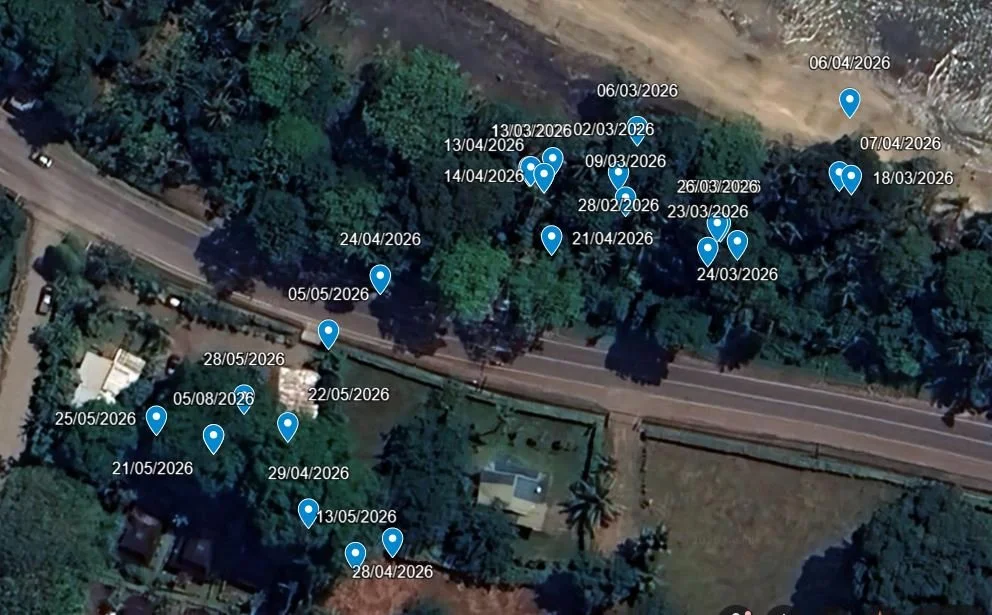
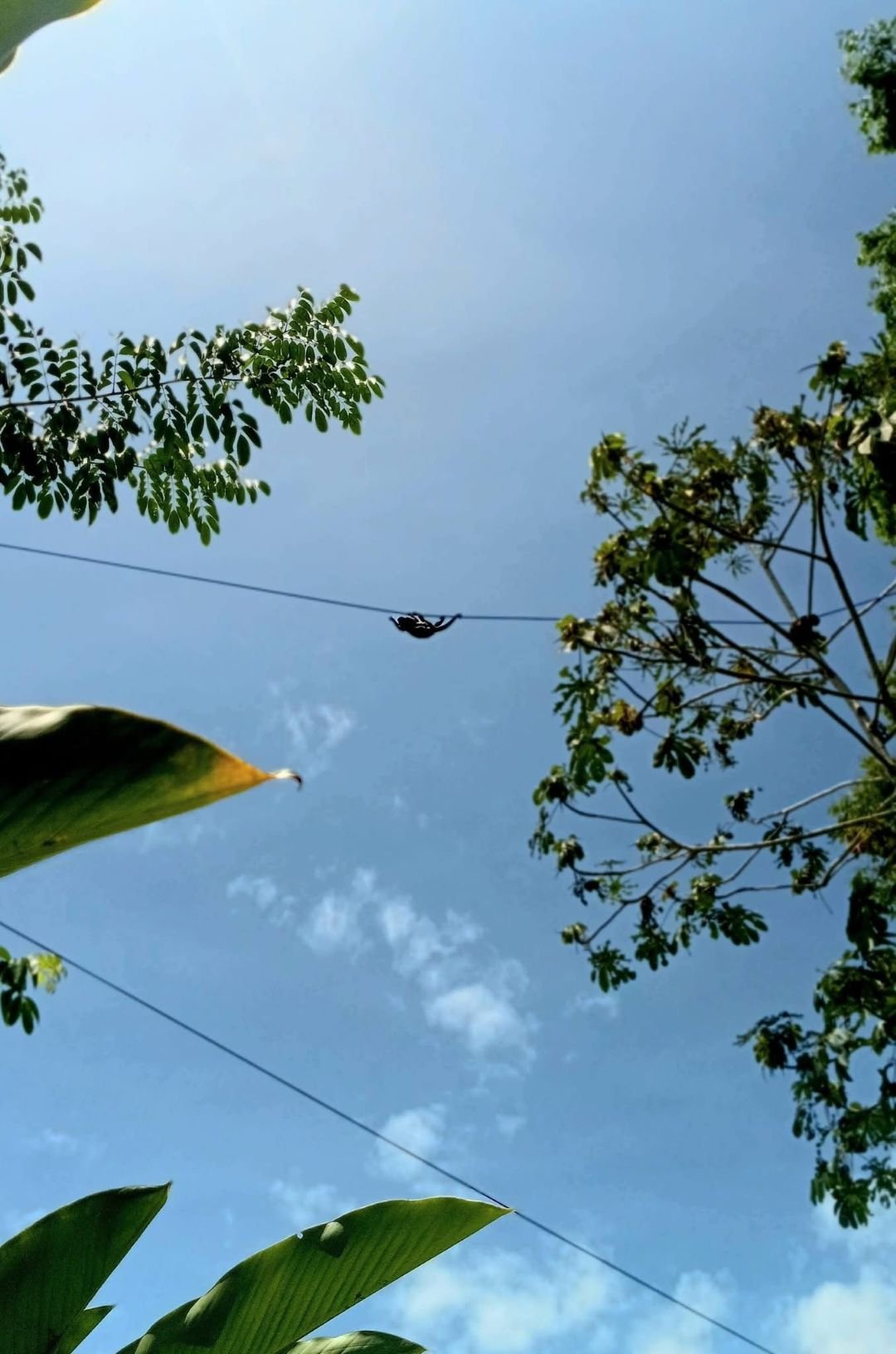
When we showed the tracking data from Martita's collar to Costa Rica's electricity provider (ICE), they could finally see exactly why this location was so important. It was the evidence we needed. They granted permission, worked with us to install a new Sloth Crossing canopy bridge, and the results were almost immediate. Less than 24 hours after the bridge went up, an entire troop of howler monkeys marched safely across it!
Meanwhile, Connected Gardens has also begun an exciting new chapter in the Indigenous Territory of Keköldi. Instead of simply arriving to plant trees and build bridges ourselves, we are instead supporting Indigenous families and young people to lead the restoration of their own forests. By providing the training, resources and native trees, we are helping to build something that will last much longer (because the best conservation doesn't happen to communities - it happens with them). And we can't wait to see what this partnership grows into over the coming months!
Responsible Wildlife Tourism Continues to Grow
The momentum keeps building! After the fantastic response to our very first training course last month, we were excited to welcome another 30 licensed tour guides to the second edition of our Responsible Wild Sloth Watching and Scientific Foundations workshop.
Together, over the course of 4 days, we explored the latest science behind sloth ecology, discussed what responsible wildlife tourism looks like, and shared practical ways to give visitors unforgettable experiences without disturbing the animals. We also learned from the guides themselves as they shared their experiences, challenges, and ideas from years of working in the field.
It's so encouraging for us to see so many local guides wanting to learn more and become ambassadors for sloth conservation. And we're only just getting started! We're already planning the next round of workshops, not only for tour guides, but also for hotel staff, local businesses, and community members, and our goal is to expand the programme to other parts of Costa Rica in the near future. Every person who understands and values wild sloths becomes another voice helping to protect them.
Inspiring the Next Generation
Education remains one of the most important parts of conservation. This month, we reached more than 60 children through school visits and environmental education activities.
We also continued strengthening our collaboration with the Talamanca Environmental Education Network, led by Tropica Verde, and joined local organisations at the "De la Tierra al Mar" environmental festival, celebrating the connection between forests, rivers, and the sea.
Four New Sloths Join the Urban Sloth Project
Our Urban Sloth Project welcomed four new recruits this month: Daffodil, Bob, Bruce, and Pati!
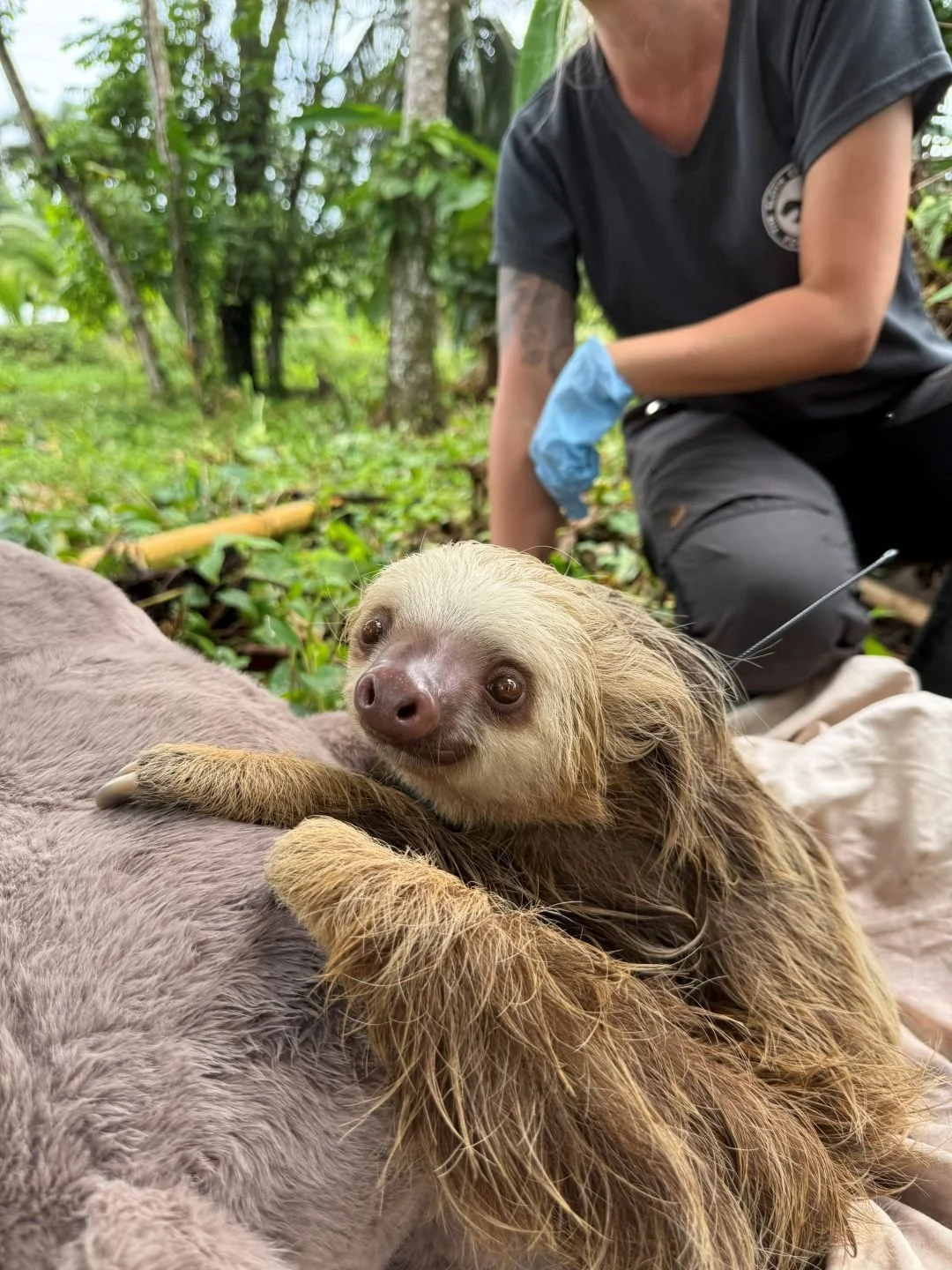
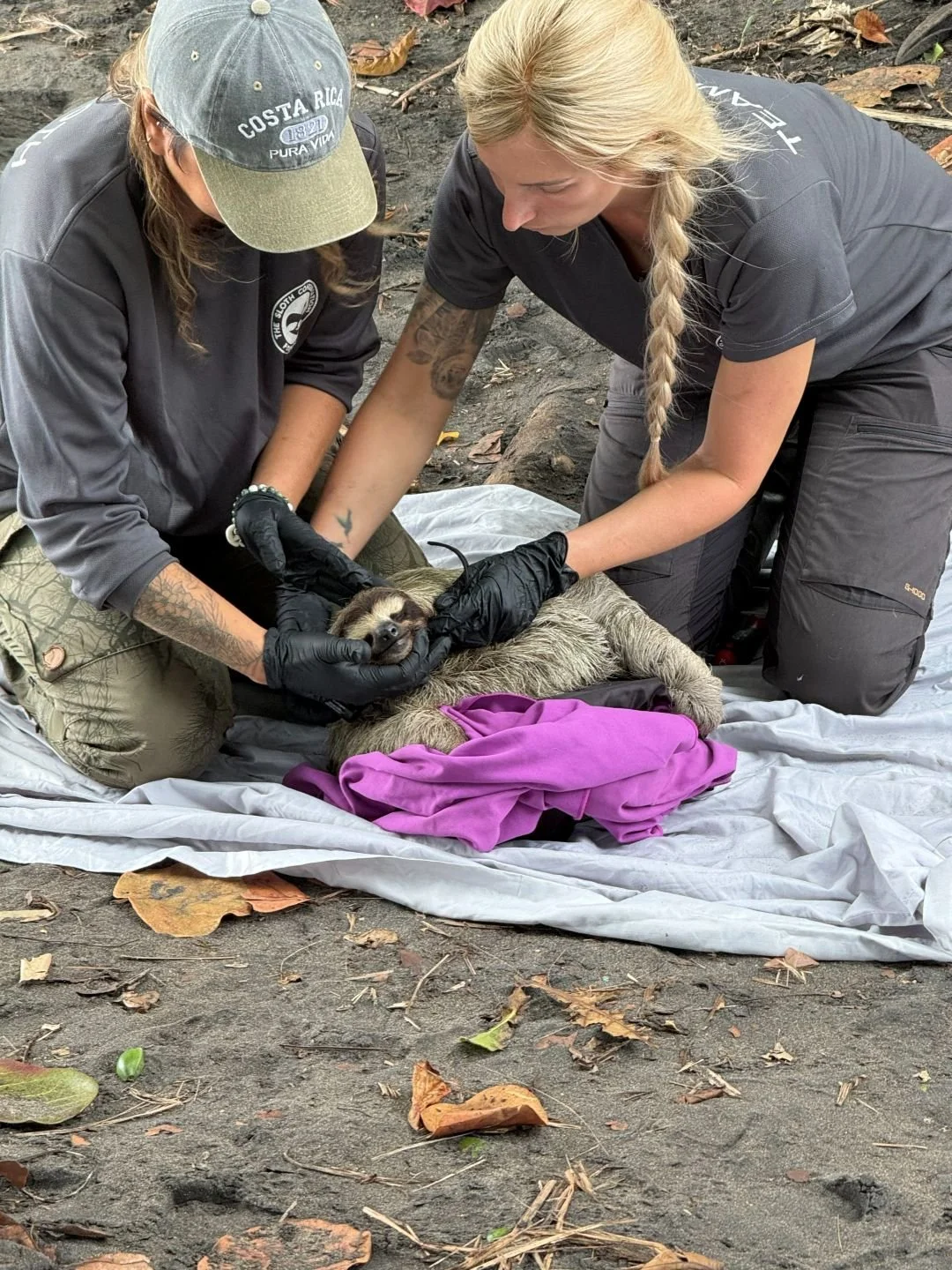
Daffodil (left) and Bob (right)
Each new tracking collar gives us another window into the secret lives of wild sloths. Where do they go? How do they navigate fragmented forests? Which environments help them thrive, and where are they most at risk? Every sloth we monitor adds another piece to the puzzle, helping us build smarter, more effective conservation strategies.
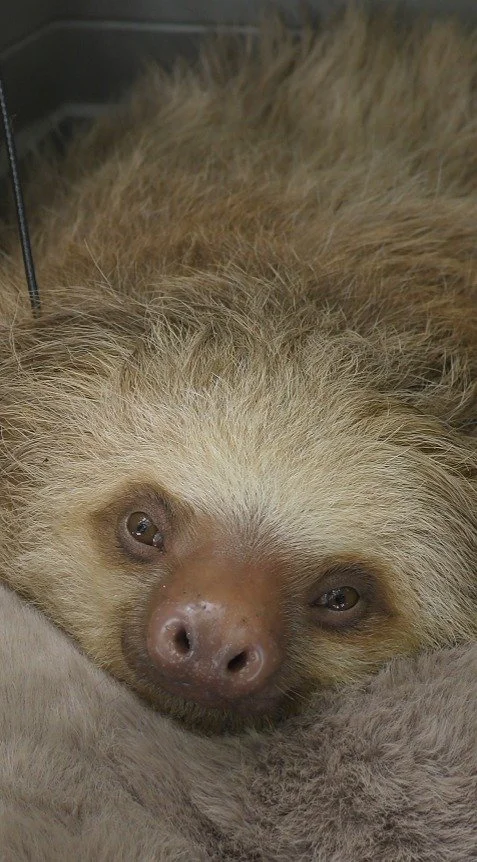
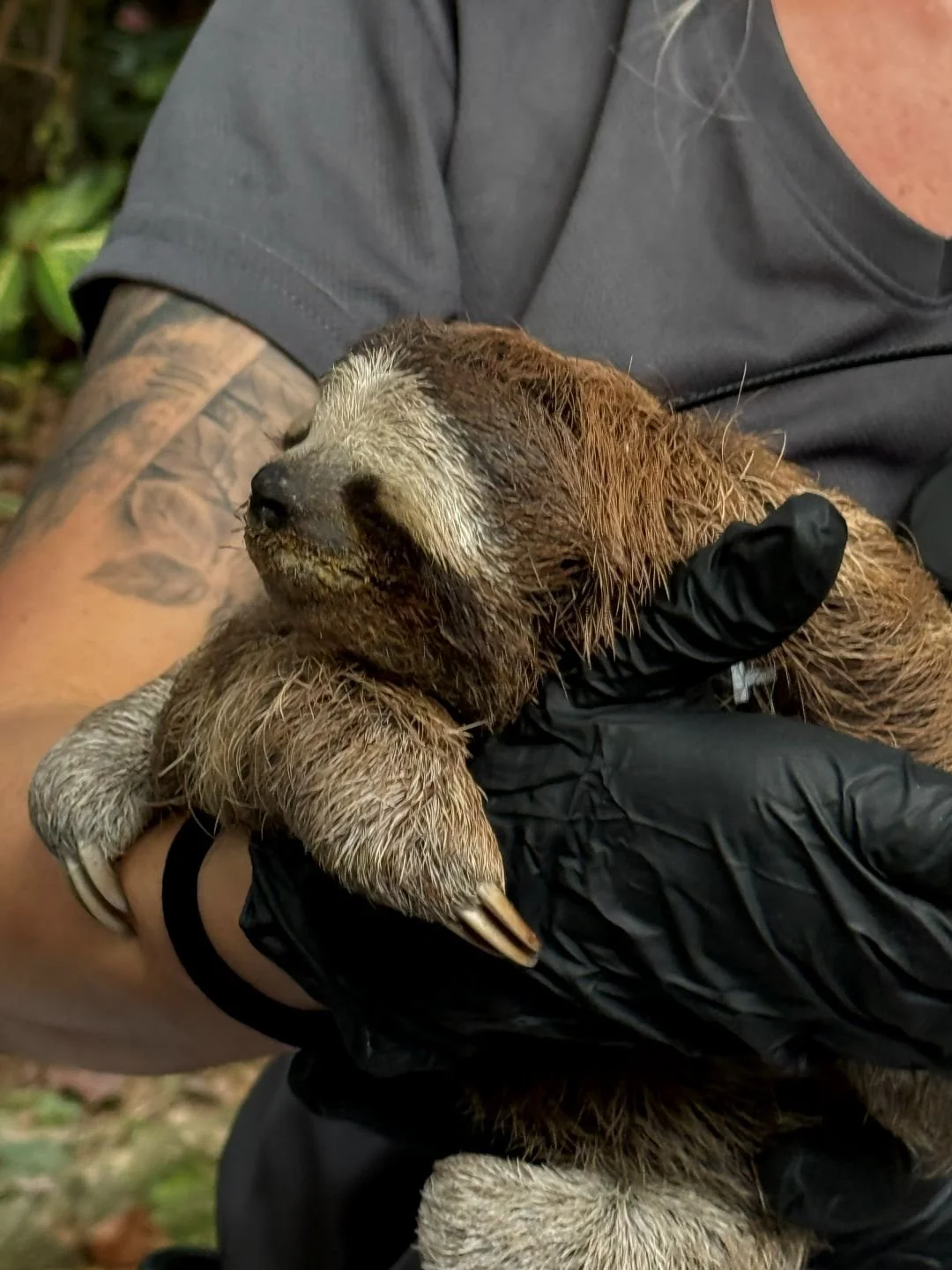
Bruce (left) and Pati (right)
We were also thrilled to welcome more collaborators from Brown University, who joined us in Costa Rica to share their fascinating research on the sloth gut microbiome. While they were here, we also made exciting progress on a collaborative project exploring the genetic structure of wild sloth populations. We'd love to tell you more... but for now, we're going to have to remain secretive scientists. Watch this space!
Building a Home for Team Sloth
If you've been following our headquarters journey, you'll know it's been... character-building!
Building anything in Costa Rica is never a quick process, and between permits, bureaucracy, relentless tropical rain, and the occasional construction surprise, progress has certainly been happening at sloth speed. But little by little, we're getting there.
This month marked a huge milestone: the foundations are finally complete, and we've started constructing the retaining walls that will protect the site from landslides during the rainy season. It might not be the most exciting part of the project, but on Costa Rica's earthquake-prone Caribbean coast, strong foundations are everything.
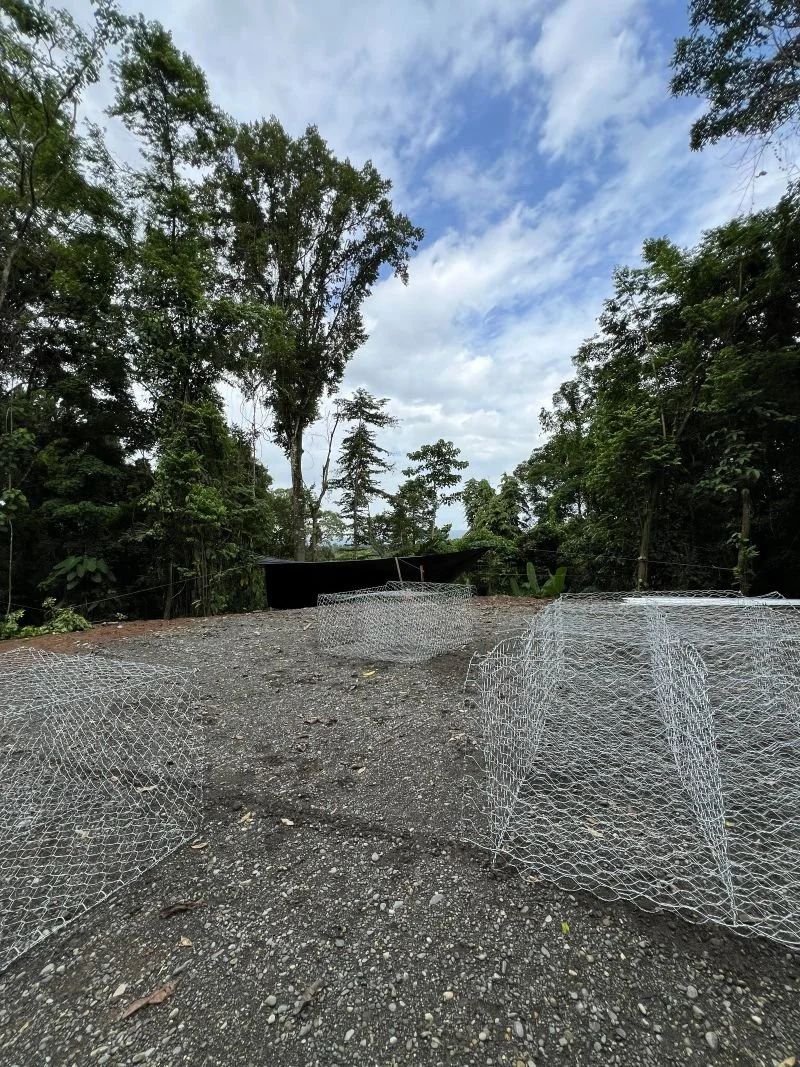
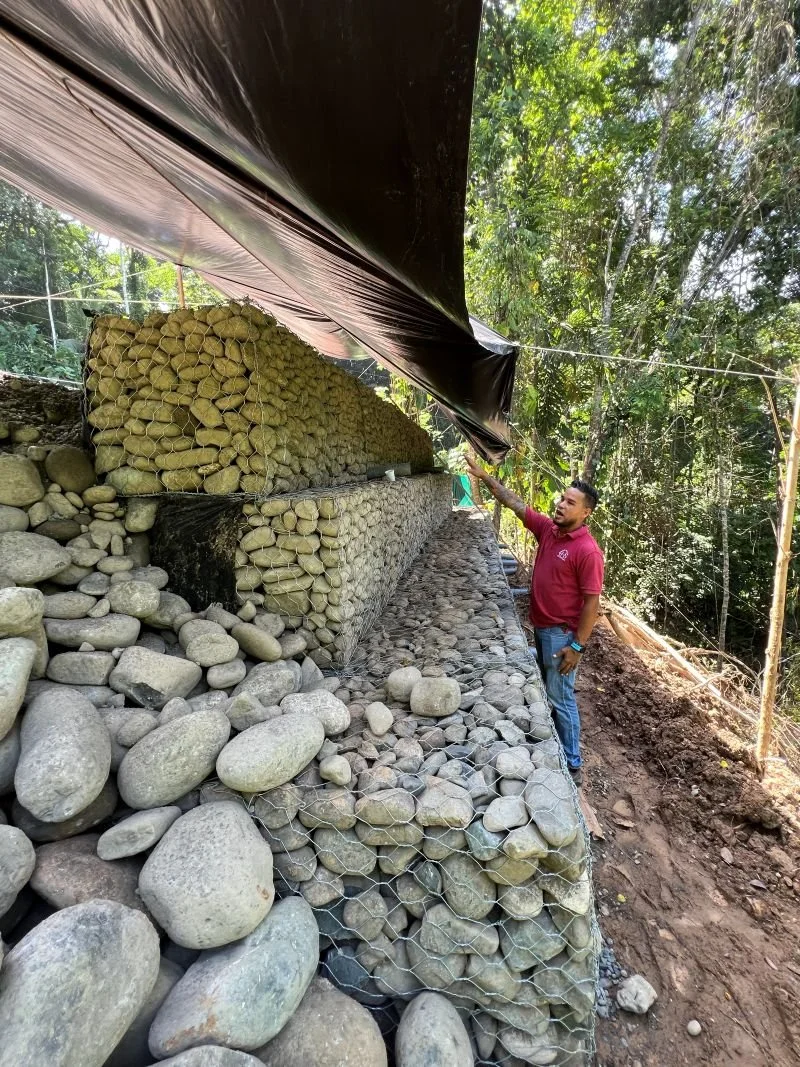
The reality is that building a permanent home for Team Sloth is by far the biggest challenge we've ever taken on. It's a huge financial commitment, and there are still plenty of hurdles ahead, but this space will transform what we're able to achieve for generations of sloths to come. It will be a place where conservation, research, education and community come together under one roof. A place where we can grow thousands of native trees, welcome students and volunteers, train future conservationists, care for equipment, develop new ideas, and build collaborations that will shape the future of sloth conservation.
Looking Ahead
June was a demanding month for the team. Alongside everything else, we hosted a major international IMAX film crew for three weeks as they documented our work here in Costa Rica. It was an incredible opportunity, but it also meant some members of Team Sloth worked almost 20 consecutive days (weekends included!). Don't worry though, they're now enjoying some very well-earned time off.
We can't wait for you to see the finished film. There's something quite special about knowing that millions of people around the world will soon get to experience the incredible lives of wild sloths on the big screen. Projects like this are a huge amount of work, but they remind us why storytelling matters.
Not that long ago, sloths were still one of the world's least understood mammals. Research and conservation will always be at the heart of what we do, but inspiring people to fall in love with these wonderful animals is just as important. After all, it's difficult to protect something you've never had the chance to care about.
As always, none of this would be possible without you. Whether you share our work, symbolically adopt a sloth, make a one-time donation, or become a member of the Sloth Fellowship, you are helping us continue asking important questions, protecting rainforest habitat, influencing policy, and making sure sloths remain exactly where they belong: in the wild.
Thank you, as always, for standing with us.
All the best from the jungle (where sloths belong),