Tales from the Jungle | September 2026

Our favourite time of the year is almost here… SLOTHtober! You might also know it as October, but around here the sloths have taken over and claimed the whole month for themselves. It all culminates on International Sloth Day on October 20th - otherwise known as the most important day of the year (at least in our calendar).
This SLOTHtober, we're celebrating with a theme that really gets to the heart of everything we're working towards: Sloths Wild and Free.
It is our vision of a future where sloths live wild in healthy, connected forests, free from trade and exploitation. And this year, that message feels more relevant than ever. In fact, there is a rather BIG announcement coming very soon that will bring us one step closer to that future. I can't tell you about it just yet… but I promise it will be worth the wait.
First, though, let's catch up on everything that happened in September.
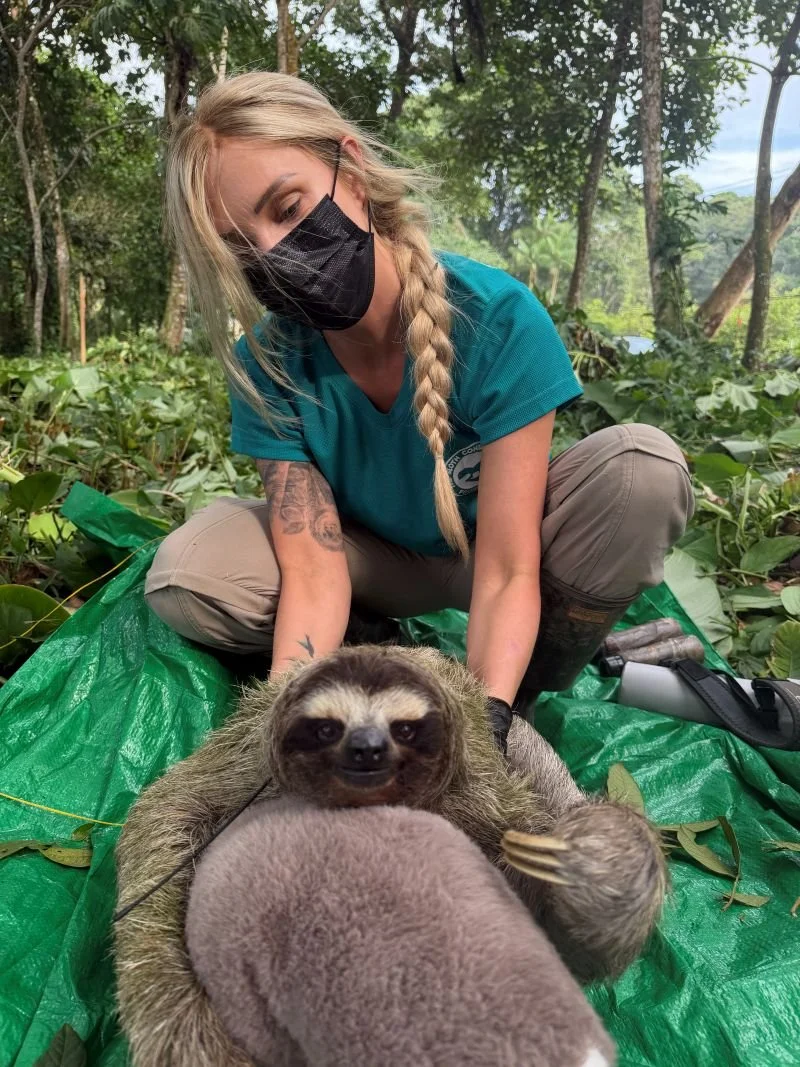
When The Rains Take Their Toll
This has probably been one of the hardest months our team has experienced - ever. For the past three months, the Caribbean coast of Costa Rica has been colder and wetter than we have seen in almost 30 years. The rain has been relentless. We have already reached tropical wave number 43 this year (despite being only 38 weeks into 2026)!
And sadly, we are beginning to see the consequences for sloths. Sloths are particularly vulnerable to prolonged periods of cold and wet weather because, unlike most mammals, they have a very limited ability to regulate their own body temperature. When conditions remain cold for too long, it can affect everything from their digestion and metabolism to their immune system.
Sadly, it is the youngsters that seem to be struggling the most, and several of the juveniles we are monitoring ran into serious trouble this month.
During the first week of September we found little Pati on the ground unable to move her back legs, while Bruce was discovered with serious injuries to his back. Both were immediately taken to our colleagues at the rescue centre for emergency veterinary care. Thankfully, they have both made enormous improvements and, if everything continues to go well, we hope it won't be too long before they are back where they belong.
Unfortunately, not every story had the ending we hoped for though. Our team was devastated to discover that Elliott (the little sloth we rescued from the palm tree last month) and Nigel had both passed away. Necropsies later revealed illnesses associated with the prolonged cold and wet conditions, including pneumonia.
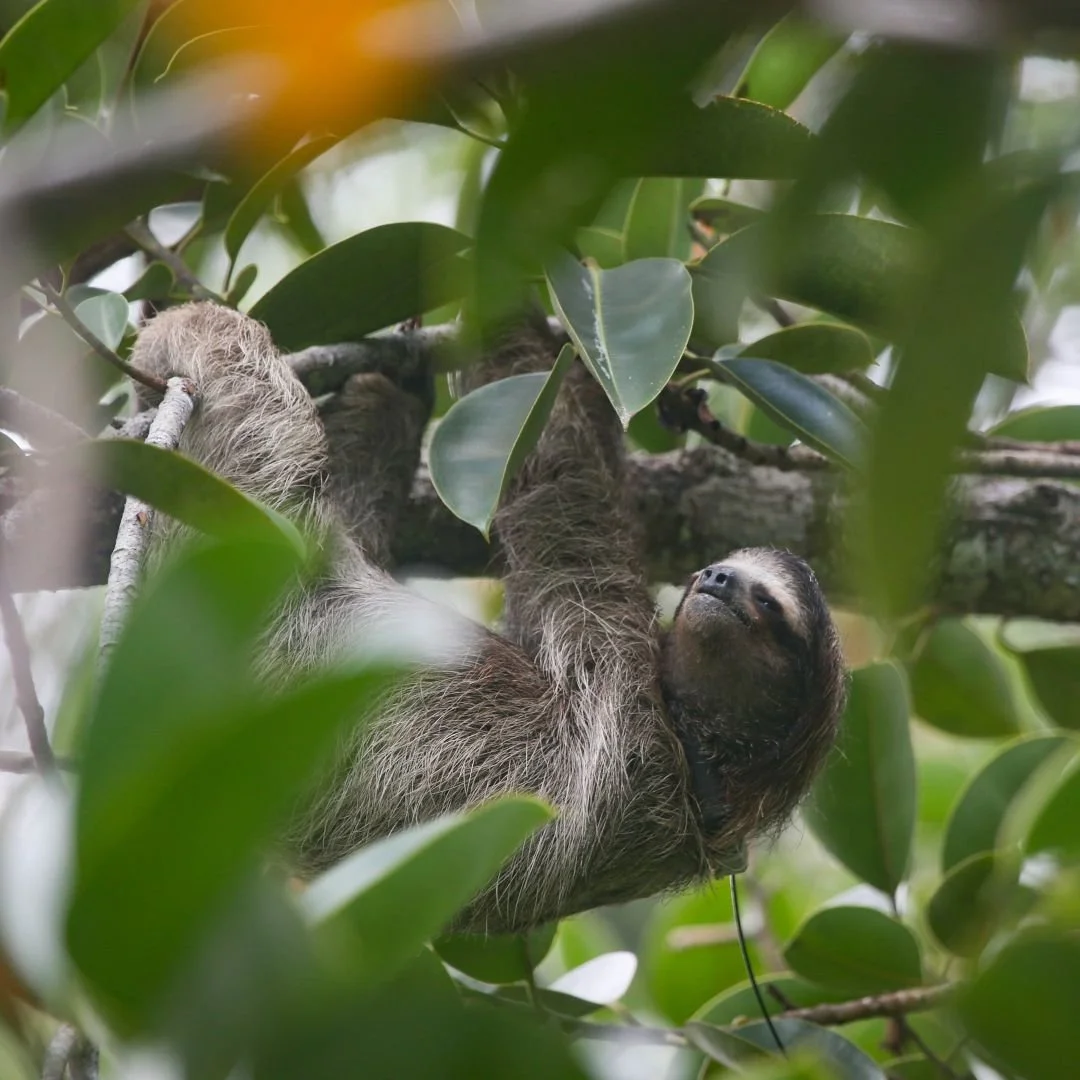
Nigel
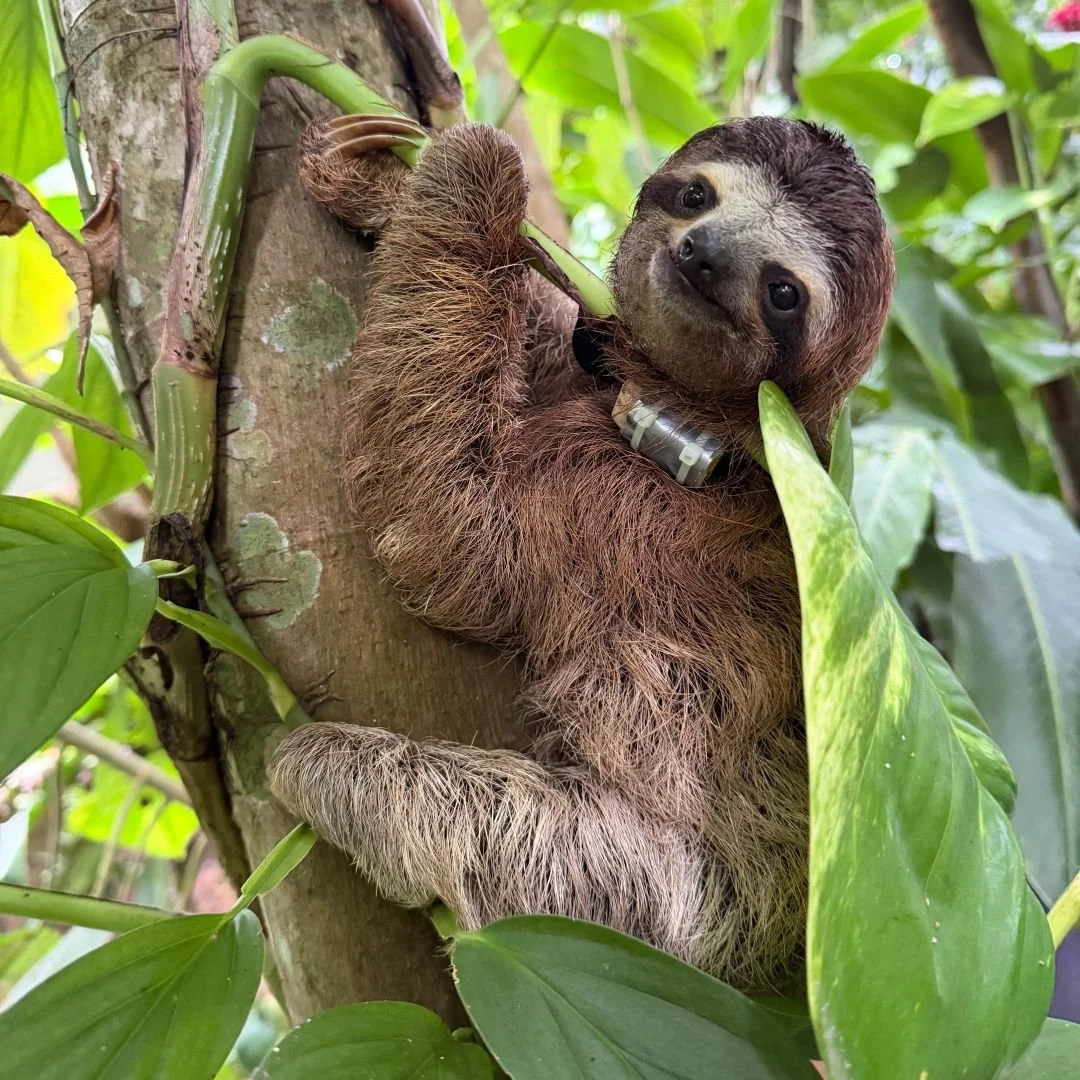
Elliot
It is one of the hardest realities of studying wild animals. We follow these individuals for years, watching them grow up and getting to know their personalities, their favourite trees and their daily routines. We celebrate their successes and worry when something goes wrong. But ultimately, they are wild animals living wild lives, and sometimes nature can be quite unforgiving.
And so, despite some very heavy hearts, the research continues.
This month we replaced Martita's tracking collar, gave Bob a health check, and Flash's collar has decided to stop transmitting altogether… so the team is now on yet another mission to find him. We also published some of the first results from the Urban Sloth Project, and the data revealed something rather interesting: our urban sloths are spending significantly more time asleep compared to sloths living in primary forests.
Why? Well, we don't know yet, but we have some theories (and that is exactly why we do research)!
Conservation Starts With People
September was also a big month for our community work as we officially launched our long-awaited sloth tours!
This is tourism with a purpose. We have created sloth tours that actually benefit the sloths people are coming to see. Every tour generates sustainable funding for our conservation work, while also creating employment opportunities for local guides and showing visitors how to experience wildlife responsibly.
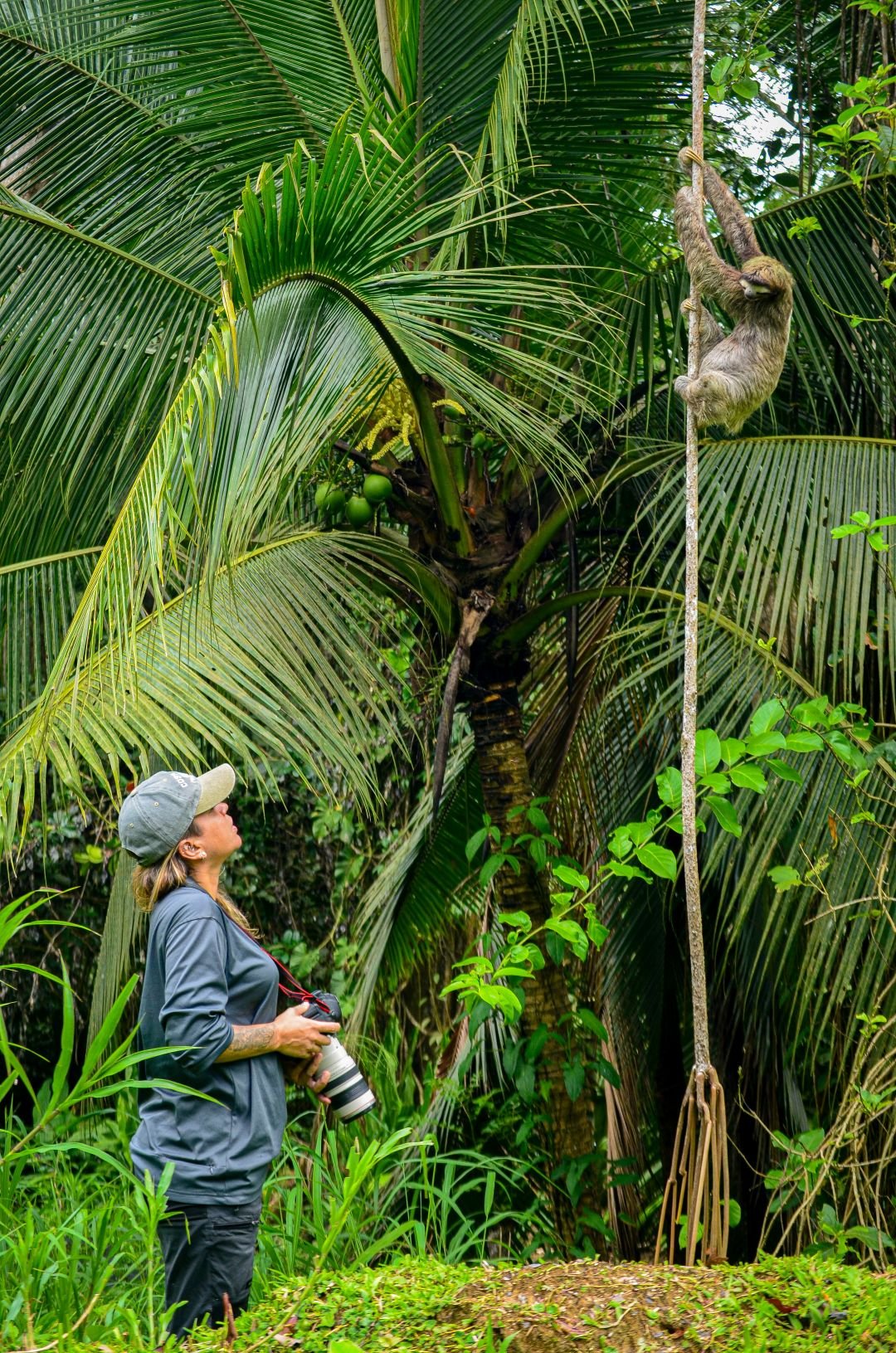
We now have two very different ways to experience sloths with us:
1. Private Sloth Experiences - go behind the scenes on a completely private experience designed around you.
2. The Sloth Walk - join us for a relaxed two-hour sloth-spotting walk along the historic Wolaba Trail.
So whether you want to go behind the scenes with our team or simply spend a morning searching the treetops for sloths, you can now do it knowing that your visit is helping to keep them wild and free.
Meanwhile, following the success of our training programme for tour guides, we had already started developing a new training course for another very important group: electricity workers and emergency responders who may unexpectedly find themselves dealing with wildlife as part of their jobs.
Then, a video went viral across Costa Rica showing a worker throwing a sloth from the top of an electricity pole onto concrete. Understandably, it caused public outrage, but also highlighted exactly why this training is so needed.
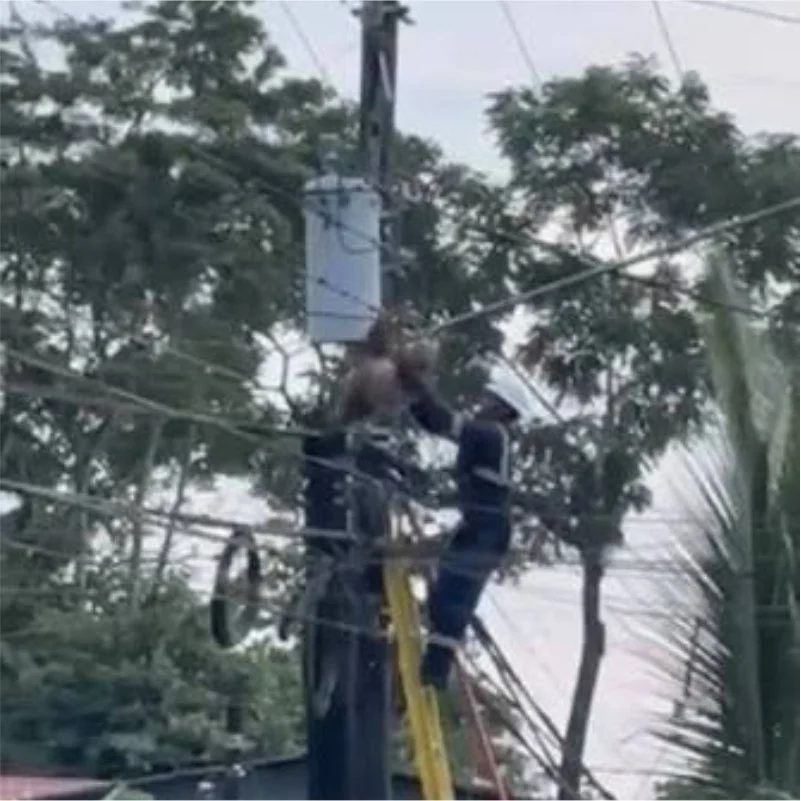
In a country where wildlife and human infrastructure overlap every single day, not every worker or company has the training, protocols or safety measures needed to respond appropriately when they encounter a wild animal.
We were already working on a solution to this problem, but now, unfortunately, everyone can see just how important it is.
When You Run out Of Rope…
For once, our Connected Gardens team installed precisely zero canopy bridges this month. Not because we ran out of places that need them - quite the opposite in fact! We just ran out of rope (there is a national shortage).
While we searched for a suitable alternative, Deyber took a very well-earned holiday and the rest of the team turned their attention back to trees.
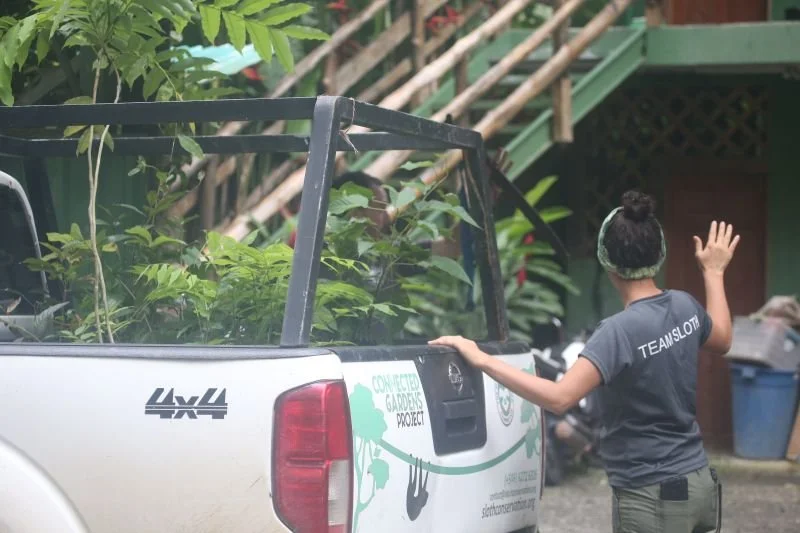
We planted 170 native trees in the Kéköldi Indigenous Territory and the coastal zone, while the team surveyed several new locations where wildlife electrocutions have been recorded.
Change in Florida, US
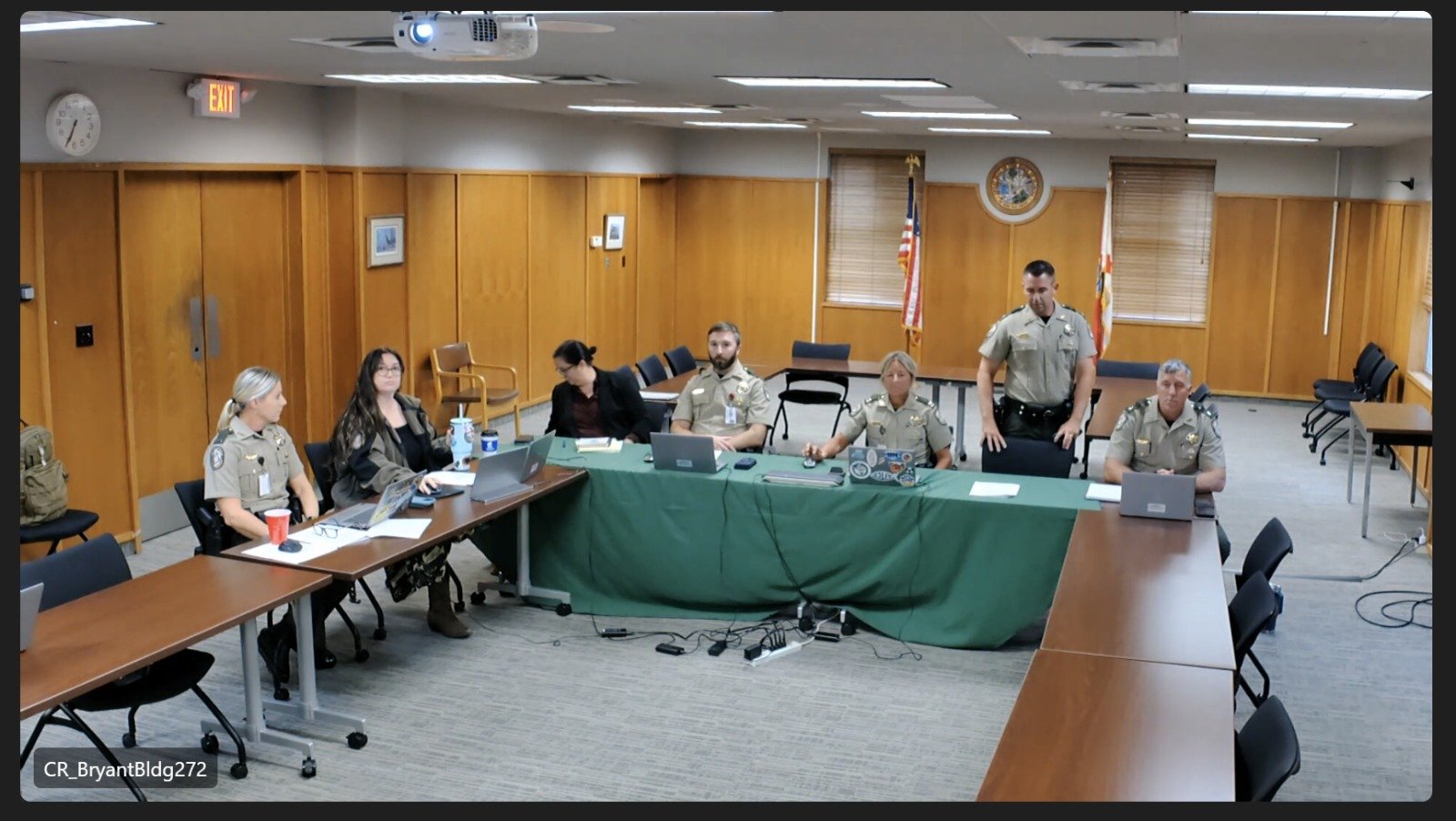
On September 9th, we joined a public meeting hosted by the Florida Fish and Wildlife Conservation Commission, where officials presented proposed changes to regulations governing captive sloths and invited stakeholders to provide feedback.
We used the opportunity to highlight where we believe stronger protections are still needed. We are encouraged to see Florida continuing to review how sloths are regulated. Sloths entering the state are also now specifically excluded from Florida's blanket Class III import permit, meaning each import requires individual authorisation before the animal enters the state.
But our goal through the Sloth Protection Alliance hasn't changed. We want to end the commercial importation of sloths into the United States and put a stop to exploitative sloth encounters. Since the tragedy at Sloth World Orlando, where 58+ sloths lost their lives, we have seen some encouraging changes to regulations and a big increase in public awareness around the issue. There is still a long way to go, but things are moving in the right direction.
And we have something rather exciting happening on this front very soon. I can't tell you what it is just yet (sorry!), but keep an eye on your inbox in October…
SLOTHtober IS ALMOST HERE!
This year we have the return of the International Sloth Festival, which will be taking place here in Puerto Viejo de Talamanca from October 15th–17th.
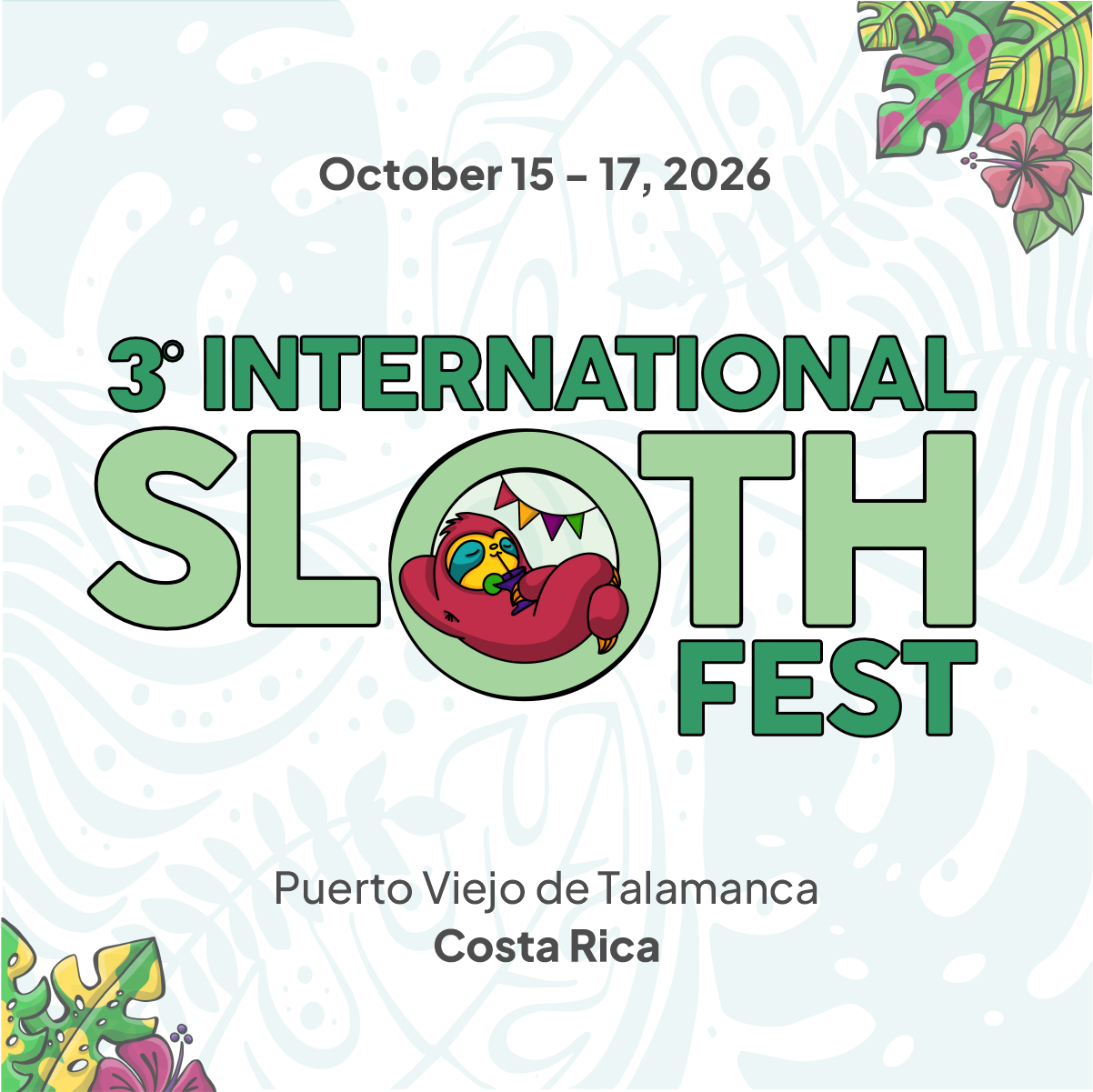
This will be our third festival and there will be three days of science, conservation, education, art, activities and, of course, lots of sloths. If you happen to be in Costa Rica, please come and say hello. We'd love to see you!
But you definitely don't need to be in Costa Rica to get involved in SLOTHtober. You can organise a sloth walk, run a marathon, hold a fundraiser, get your school involved, throw a sloth-themed party, or come up with something completely different. Whatever you decide to do, register your event and we'll add it to our global SLOTHtober calendar.
Let's see how many corners of the world the sloths can take over this October!
Thank YOU!
September has been a bit of a rollercoaster. We have celebrated some really exciting progress, dealt with some unexpected challenges, and had some very difficult days too. That is conservation though. Things don't always go to plan (and sometimes you simply run out of rope), but we keep going.
And we can only keep going because of you. Whether you donate, adopt a sloth, join the Sloth Fellowship, organise a fundraiser, share our work or simply follow along and cheer us on from afar, it all makes a difference. So thank you, as always, for being part of it.
We have a very busy SLOTHtober ahead of us, and I have a feeling there will be quite a lot to tell you next month!
All the best from the jungle (where sloths belong),