
Sloth World Orlando and the Slotharium: Conservation or Entertainment? New Reports Raise Serious Concerns
Over the past weeks, Sloth World Orlando and its proposed “Slotharium” have drawn significant public attention. Marketed as a no-touch sloth encounter, the project immediately raised concerns among sloth conservation specialists. Recent reporting has added further urgency to these concerns, with confirmed sourcing of wild-caught sloths, reported deaths, and facility failures emerging ahead of the attraction’s opening.
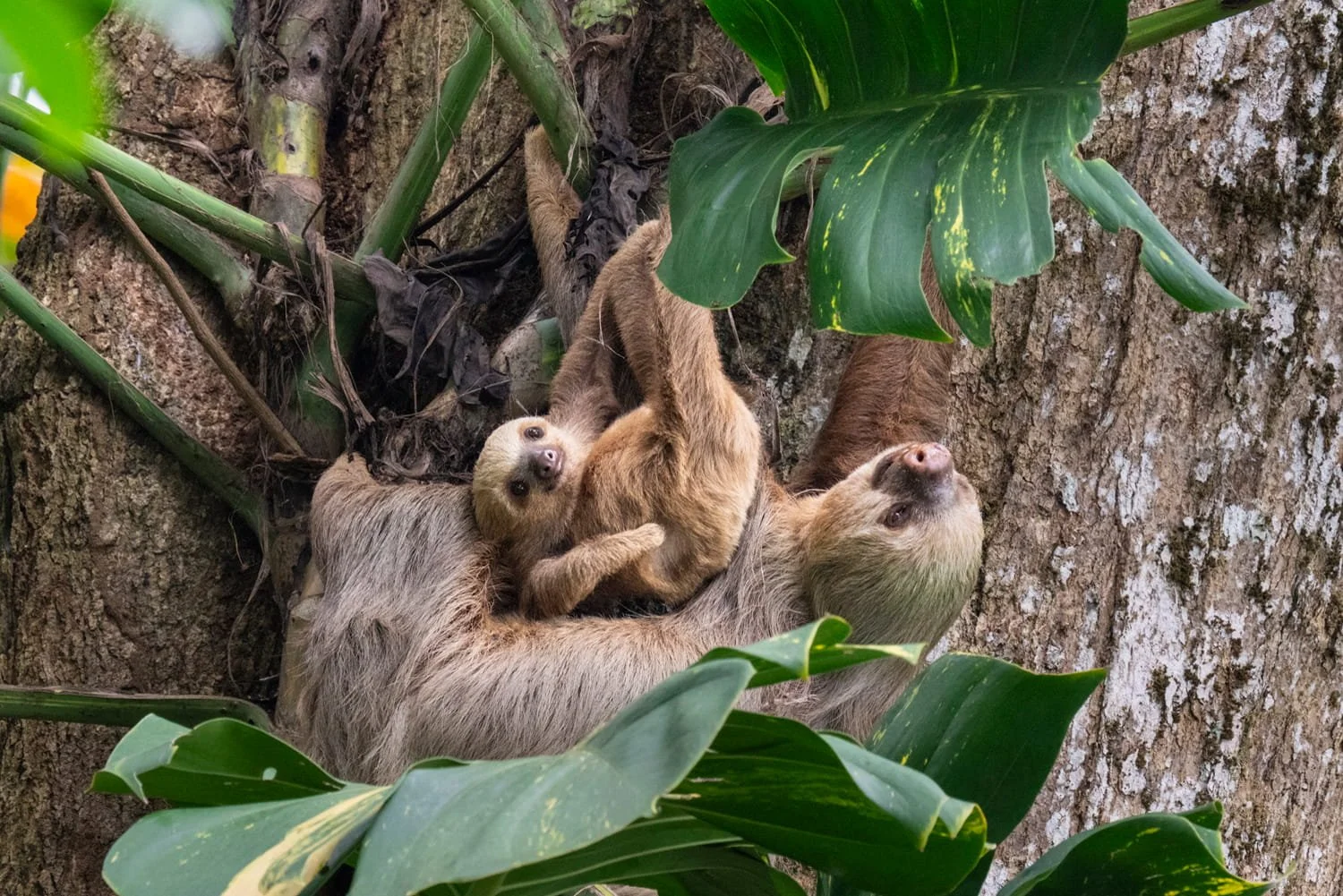
Sloths are wild mammals adapted to complex forest ecosystems in Central and South America, where their survival depends on stable habitat and specialized diets. | WIld two-fingered sloths, Costa Rica © Suzi Eszterhas
Update (April 2026): Reports of 31 Sloth Deaths at a Sloth World Orlando Facility
New information has emerged regarding Sloth World Orlando’s operations in Florida.
According to an article by Inside Climate News, based on an incident report from the Florida Fish and Wildlife Conservation Commission (FWC), at least 31 sloths died between December 2024 and February 2025 at a facility associated with Sloth World Orlando.
The report describes conditions at a warehouse where recently imported sloths from Guyana and Peru were held. It states that the facility was not fully prepared to receive the animals, including a period without adequate heating during cold temperatures. A heating failure overnight left the animals exposed to low temperatures, and the resulting cold exposure was identified as a key factor in the deaths of the sloths.
Inspectors also documented that some sloths were housed in cages that did not meet legal requirements, and issued a verbal warning for non-compliant housing conditions. The report further notes that some animals arrived in poor health, while others died following these environmental and health challenges.
Additional reporting by Inside Climate News indicates that at least 38 additional sloths have arrived at the facility since the reported deaths.
Public officials have also begun to respond. Rep. Anna V. Eskamani stated that, following communication with the FWC, current regulations do not require facilities to notify authorities when animals die, highlighting what she described as a significant regulatory gap. In the same public statement, she also indicated that the facility’s permit is currently expired, and that the animals remain in their possession.
This development reinforces concerns we raised previously: that removing sloths from the wild for commercial exhibition would likely result in severe welfare consequences. As specialists in sloth biology and conservation, these outcomes are consistent with well-established scientific understanding of the species.
What We Previously Reported
While recent reporting adds new context, the core concerns outlined below remain unchanged.
Marketed as the world’s first immersive, no-touch sloth experience, Sloth World Orlando and its upcoming “Slotharium” has sparked excitement - and a lot of questions. This debate comes at a time when international scrutiny of the sloth trade is increasing and public awareness of wildlife exploitation is growing.
At first glance, a no-touch sloth exhibit sounds like progress. For years, conservationists have warned that holding, hugging, and posing for selfies with sloths is stressful and harmful. Many animal lovers hoped that Sloth World represented a new, ethical model: a place to see sloths without exploiting them.
But when a facility announces plans to display more than 40 sloths across multiple species, including babies, experts are obligated to ask a simple but uncomfortable question:
Where did all of these sloths come from?

Sloth World Orlando Rendering
People come to us for answers to questions like this, and we take that responsibility seriously. So we spoke directly with Sloth World’s management, reviewed the information they provided, consulted with other experts, and evaluated the project through the lens of 17 years of scientific and field experience working with wild sloths.
What we found was very concerning.
This article summarizes what is known about Sloth World, how the project presents itself publicly, and why conservation organizations are raising serious ethical concerns about this model.
What is Sloth World Orlando and the Slotharium in Florida?
According to its website, Sloth World Orlando is developing “The world’s first and only Slotharium… an immersive indoor tropical habitat.”
The facility is described as a 7,500-square-foot indoor exhibit that will house more than 40 sloths across multiple species, including babies born on site. Visitors would enter in small, guided groups, with a strict no-touch policy, observing sloths as they eat, sleep, and climb.
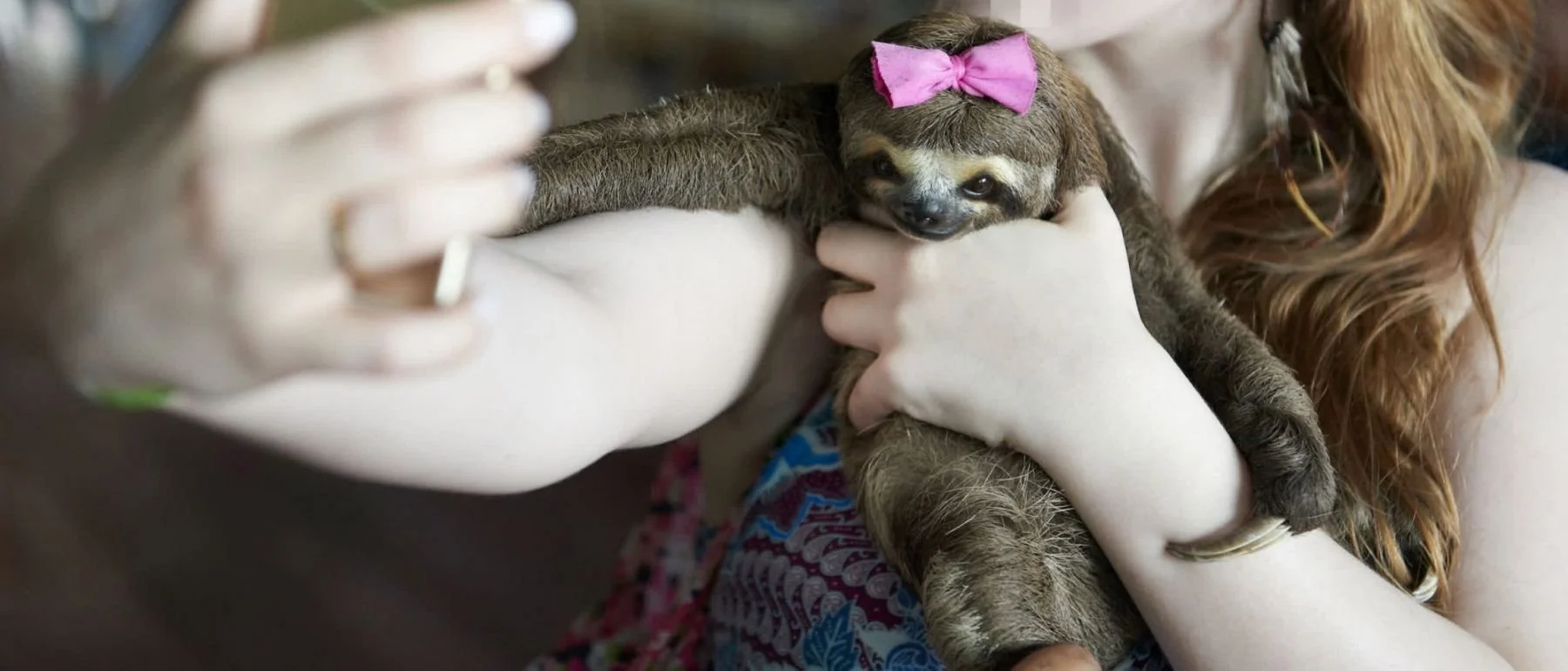
Sloth used as a photo prop. Image: World Animal Protection
These elements align with growing public awareness that direct handling and close contact, common in many sloth encounter experiences where people can hold or hug sloths, can be stressful for wild animals.
What Sloth Species Do They Have, and Where Do They Come From?
According to information shared by Sloth World, approximately 75% of the 40+ sloths are Linnaeus’s two-fingered sloths (Choloepus didactylus) that are:
“wild-sourced stock from Guyana,”
“long-term U.S. captives originally from Guyana,” and
“F1 and F2 captive-born U.S. generations of original Guyana imports.”
They also reported holding Choloepus didactylus sloths from Iquitos, Peru, including “wild imports and captive-born offspring from Peruvian imported adults.”
A public job advertisement for a Sloth World husbandry role stated care for “up to 65 sloths,” suggesting the facility intends to manage a significantly larger captive population than has been publicly communicated.

Sloth World Job Advert
Finally - and perhaps most concerning from a welfare perspective - Sloth World states it is “currently conducting a highly specialized pilot program with the pale-throated sloth (Bradypus tridactylus). All specimens are wild imports as this species is practically nonexistent in U.S. populations.”
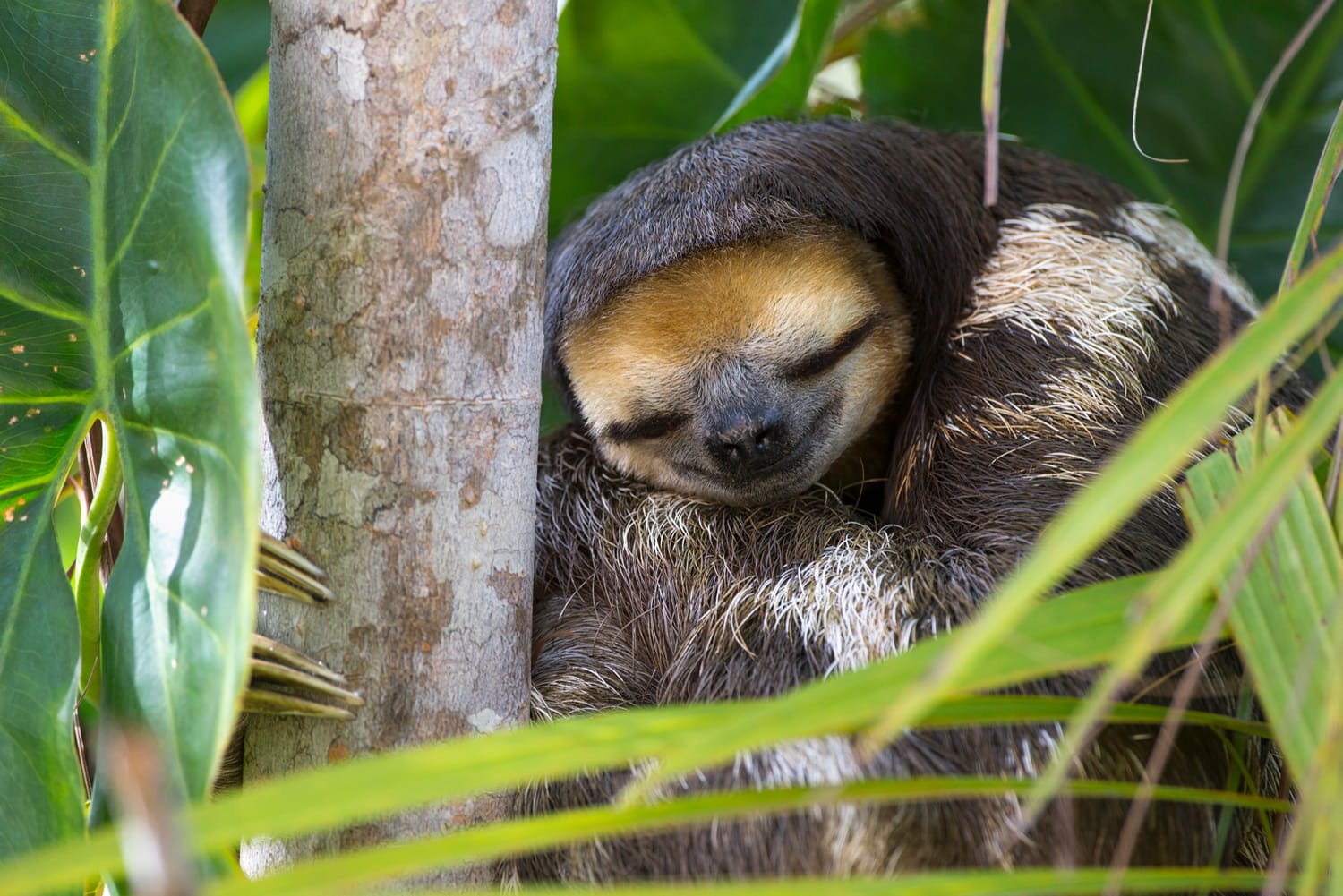
For the overwhelming majority of wild-caught three-fingered sloths, drastic dietary changes and exposure to artificial environments result in severe health decline and death. | Photo: Pale-throated sloth (Bradypus tridactylus) in the wild, Guyana. © Suzi Eszterhas
Why Wild-Caught Sloths Are a Problem
Sloths rely on highly specific diets, natural microclimates, and complex canopy structures to regulate temperature and stress. This makes them difficult to maintain in artificial environments and vulnerable to stress-related illness. Captivity-associated mortality rates have historically been high for many populations, particularly for three-fingered sloths (including the pale-throated sloths which Sloth World has acquired from Guyana). Captive breeding success is also rare, with no reported breeding success of three-fingered sloth species in U.S. facilities.
“Sloths are not domesticated animals, and three-fingered sloths in particular are exceptionally poorly suited to captivity. Removing wild animals from the rainforest for use in entertainment facilities risks normalizing wildlife extraction at a time when many species are already under pressure from habitat loss.”
Who is behind Sloth World Orlando?
Benjamin Agresta is the owner and President of Sloth World Orlando. Publicly available information about his background in wildlife management, zoology, or conservation is limited, with most of his documented experience relating to horticulture and garden design. There are no widely documented records of formal training or professional experience in animal care or conservation fields. Reporting by Orlando Shine, citing a former employee, similarly described Agresta as having no background in conservation.
Sloth World identifies Pete Bandre as its “Vice President, Sloth Specialist, and Head of Animal Care.” Bandre is also the author of A Practical Guide to Caring for Two-Toed Sloths in Captivity and administrator of a Facebook group centered on private sloth ownership and captive care.
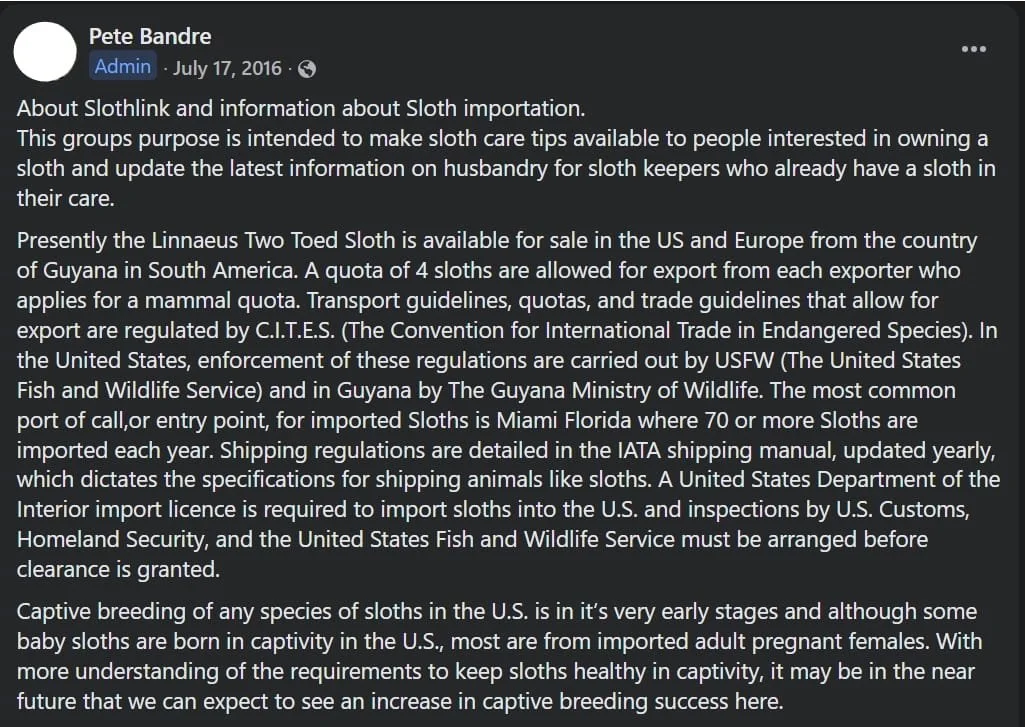
Bandre’s career has been closely linked to the exotic pet trade. Public business records show that he previously served as CEO of Incredible Pets Inc., a company that appears in U.S. wildlife import databases as a significant importer of sloths. According to publicly available import records, Incredible Pets Inc. imported 80 sloths into the United States between 2011 and 2021, making it one of the largest documented importers of these animals during that period.
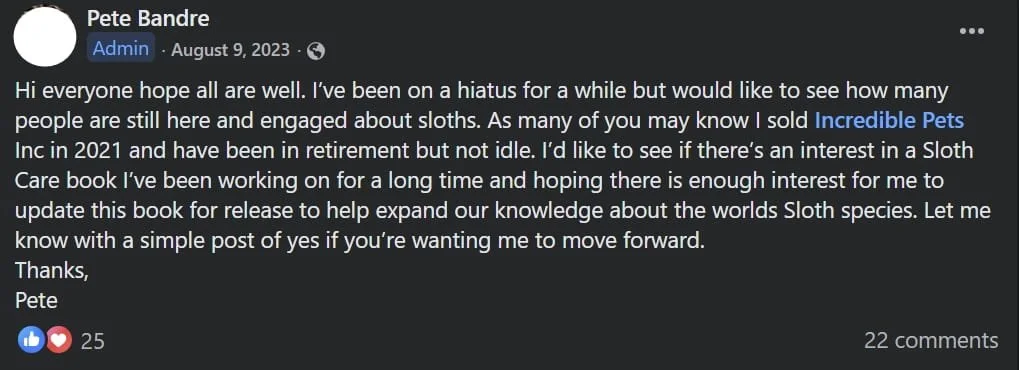
Update (April 2026): FOX35 reported that Bandre is now a "previous co-owner" of Sloth World and is no longer an associate.
Is Sloth World Orlando an educational sloth encounter that supports conservation?
Sloth World has promoted partnerships with rescue organizations in Central America as evidence of its conservation contribution. However, conservation organizations emphasize that such partnerships do not change the underlying fact that sloths were taken out of the wild for commercial display.
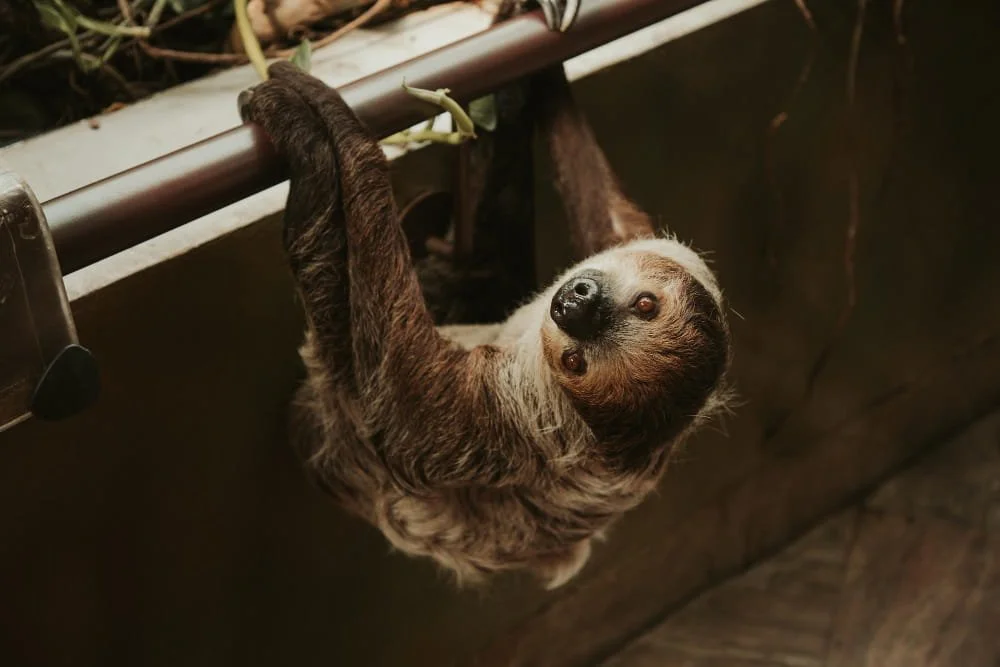
A Two-fingered sloth (Choloepus didactylus ) in captivity.
As Dr. Cliffe notes:
“Supporting rescue centers does not change the fact that sloths were taken from the wild for exhibition. There is no conservation justification in 2026 for removing wild sloths from tropical forests to populate a commercial attraction.”
“Ultimately, the question we all have to ask is whether these actions truly benefit the animals themselves, or whether they primarily benefit people. For sloths, especially wild-caught three-fingered sloths, it is difficult to argue that captivity serves their interests. We have to be willing to ask those questions honestly, even when the answers are uncomfortable”.
This aligns with what environmental scholars refer to as greenwashing - presenting an environmentally harmful activity as beneficial through selective framing or downstream donations.
“The irony of extracting sloths from the wild to fund the conservation of sloths in the wild is staggering.”
Is Sloth World Orlando ethical? Conservation organizations respond
The Sloth Conservation Foundation launched a joint statement with The Sloth Institute to clarify the conservation and welfare implications of this model.
While Sloth World has emphasized welfare measures and future plans to support conservation initiatives, the fundamental model - removing sloths from the wild for commercial display - raises ethical and conservation concerns that cannot be resolved through educational messaging or downstream funding.
Capturing and exporting sloths, even when legal, contributes to wildlife extraction demand and provides no direct conservation benefit to wild populations. This is particularly concerning for three-fingered sloth species which have a long history of poor outcomes in captivity.
“Removing wild animals from the rainforest for use in entertainment facilities risks normalizing wildlife extraction at a time when sloths are already under increasing pressure from habitat loss.”
So what can you do to help?
Read the posts, share this information with the people you know, and call these things out. Let’s make sure everyone understands that these sloths were taken from the wild - and that calling something ‘conservation’ doesn’t make it so.
As always, thank you for caring about sloths, and for helping keep conservation honest.
Frequently Asked Questions About Sloth World Orlando
-
According to reporting by Inside Climate News, based on FWC records, at least 31 sloths died at a facility associated with Sloth World Orlando between December 2024 and February 2025.
-
Yes. Sloth World confirmed that its collection includes wild-sourced sloths from Guyana and Peru, alongside captive-born individuals and U.S.-born offspring. The facility has also described plans to transition toward a fully captive-born population over time.
While some animals were imported prior to strengthened international trade protections, conservation experts emphasize that wild sourcing, even when legal, has implications for wild populations and does not provide direct conservation benefits in range countries.n text goes here
-
No. Captive-bred sloths, especially those bred outside their natural range, cannot be released. Successful reintroduction requires species-specific genetic, ecological, and behavioral conditions that are not met in U.S. captive breeding systems.
-
No. Sloth World is a commercial attraction. The sloths housed at the Slotharium were acquired for exhibition and breeding.
-
Sloths are wild mammals with highly specialized ecological and dietary needs and no history of domestication. Conservation organizations caution that removing sloths from the wild for entertainment facilities can contribute to wildlife extraction and does not address the primary threats facing sloths in the wild, such as habitat loss and fragmentation.
Summary: Sloth World Orlando markets itself as a humane, no-touch, educational sloth encounter. However, the facility has confirmed sourcing wild sloths from Guyana and Peru and intends to establish a captive breeding population in the United States. Conservation organizations caution that removing sloths from the wild for commercial display raises serious ethical and conservation concerns that cannot be offset through educational messaging or downstream funding.
Recent reporting has also indicated that at least 31 sloths died prior to the facility’s opening, alongside documented failures in temperature control and housing conditions.
This article will be updated as new information becomes available.