
Sloths Are Important, but Not Only in the Way You’d Think
For scientists, biologists, and conservationists, sloths play an important role in the ecosystems they inhabit. They are prey for predators such as harpy eagles and jaguars, while their fur hosts invertebrates, microscopic algae, and several species of sloth moths.
But for many people, sloths are much more than that. They can provide comfort, inspire hope, and help people through some of life’s most difficult moments. Here are a few stories about the quiet strength of sloths and why it resonates with so many people. We hope they brighten your day!
Jimmy and Slothy: A Special Source of Comfort
When Jimmy was four years old, he was diagnosed with celiac disease, a lifelong autoimmune disorder that explained his daily stomach pain, fatigue, and joint pain.
To help with his stomach cramps, his family gave him a heating pack shaped like a sloth. “Slothy” quickly became a source of comfort and remains by his side whenever he is not feeling well.
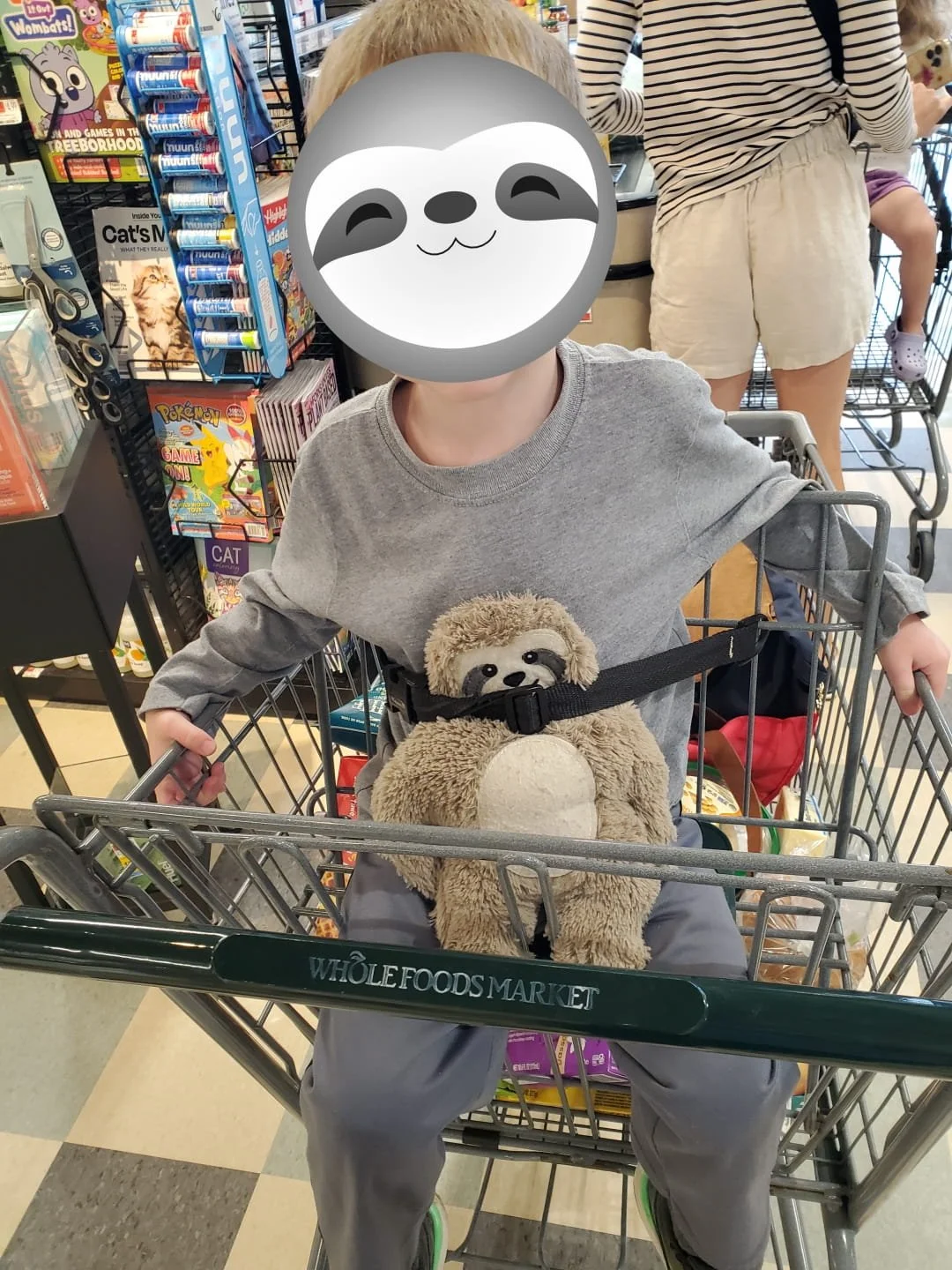
Jimmy and Slothy
Jimmy’s love for Slothy grew into a fascination with real sloths. He read every sloth book available at his library and celebrated his fifth birthday with a sloth-themed party. His family later discovered SloCo and adopted Tender and then Tango. Following their stories has helped keep Jimmy’s spirits high, and he now dreams of seeing a sloth in the wild one day.
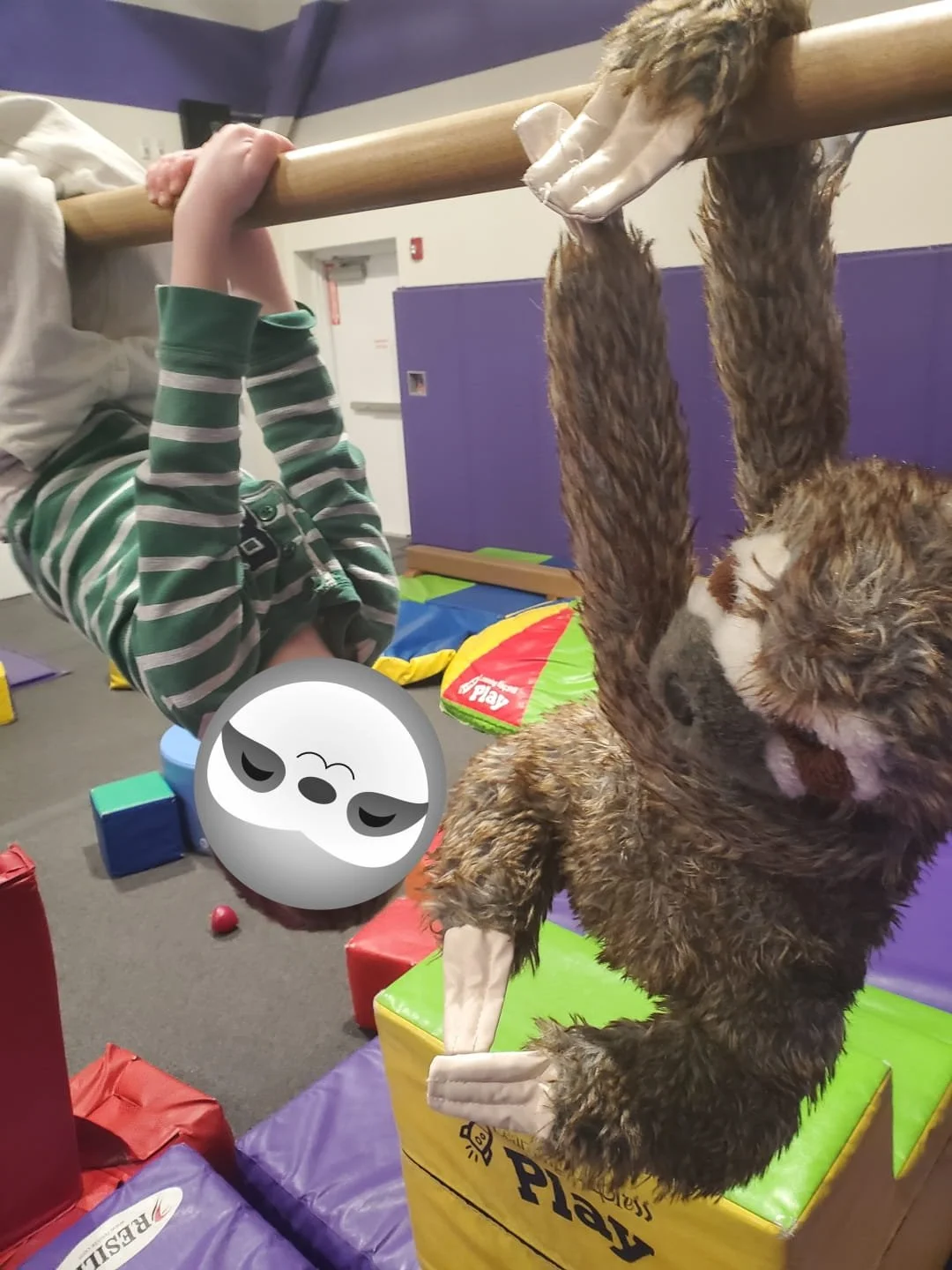
Kudos to Jimmy!
Carter And The Brave Sloths
During his long battle with cancer, Carter found strength and companionship in sloths, eventually collecting more than 100 stuffed ones. Now he and his mother, Krystal, have created the Brave Sloth Foundation to bring that same sense of companionship to other children undergoing cancer treatment. You can read his full story here.
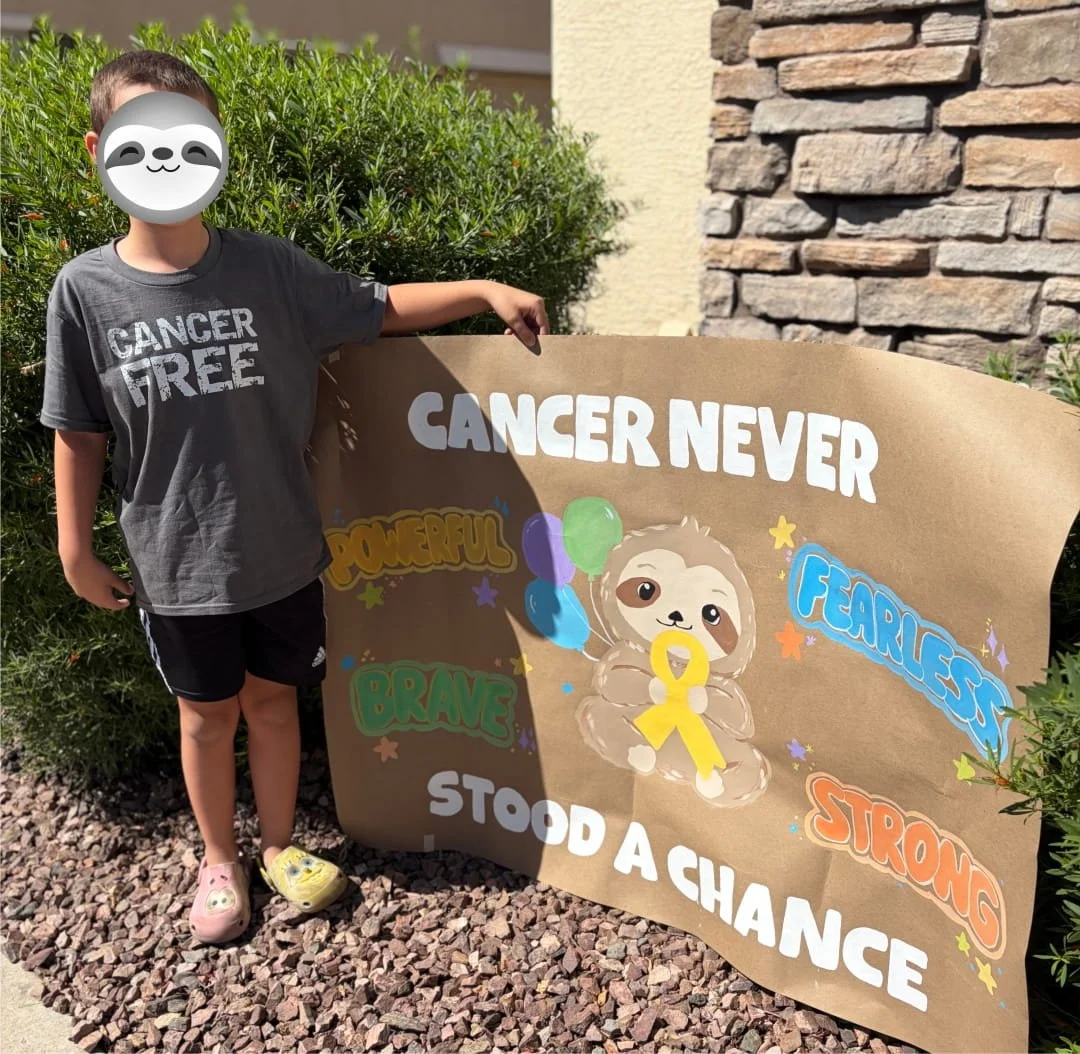
During Slothtober, a month dedicated to celebrating sloths, Carter and his classmates will mark Sloth Day with a school walk, a sloth-themed party, and a wear-brown day inspired by Carter’s love of sloths. Students will collect food donations and walk sponsorships to support the Children’s Cancer Network pantry while bringing the school together for a very slothy celebration.
Jessica And a New Way of Living
When my life suddenly slowed down, I thought it was over.
After a severe illness and months in hospital, I was diagnosed with gastroparesis — a condition that means my stomach no longer works properly. I went from living a busy, independent life to being fed through a tube and spending long stretches in bed. Everything I once took for granted, eating, working, socialising, disappeared almost overnight.
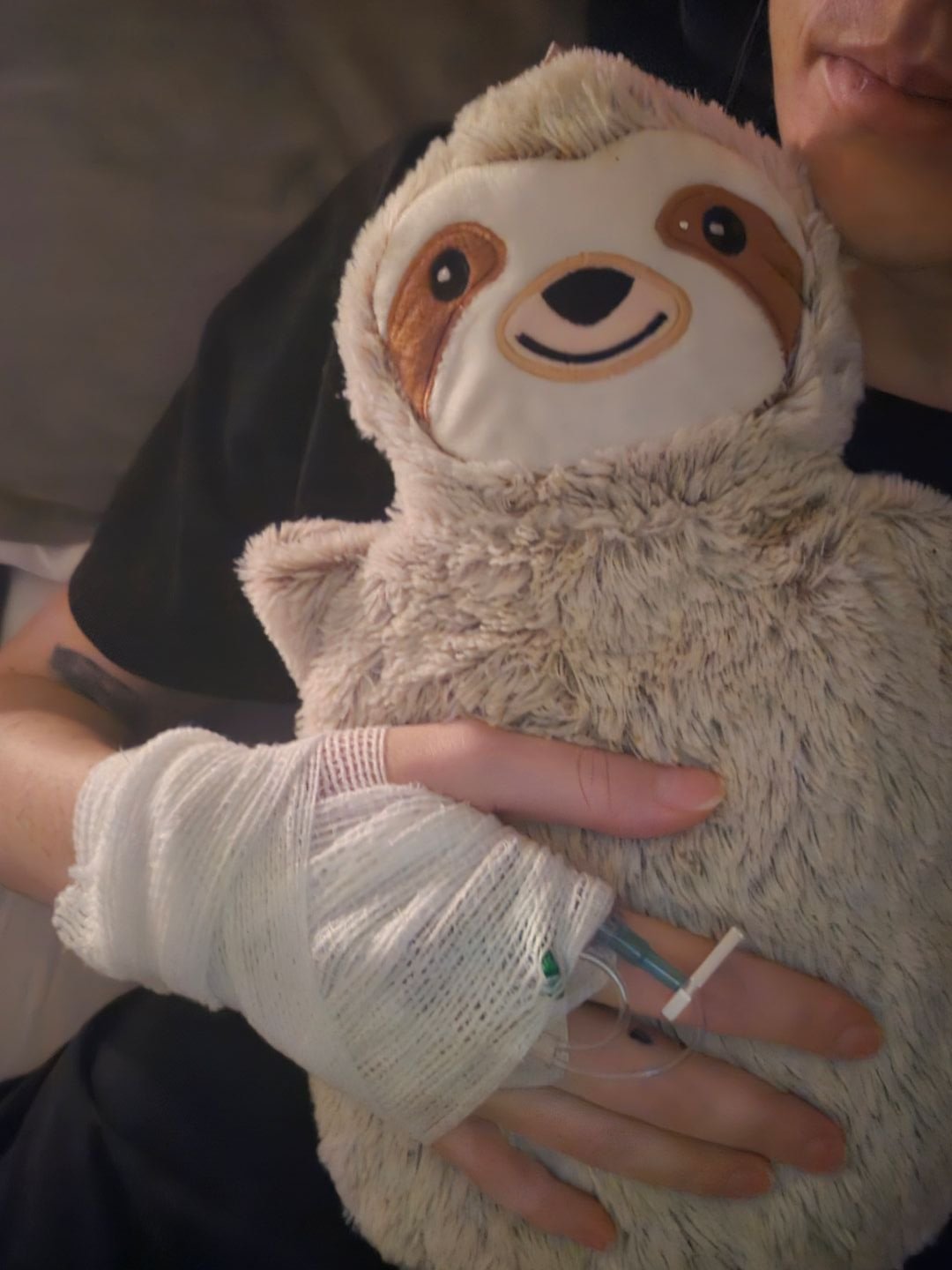
Somewhere in that stillness, I found sloths.
At first, they just made me smile. But the more I learned, the more I realised how much they reflected what I was going through. Sloths don’t rush (not always). They move with purpose, even if slowly. They survive and even thrive, by conserving energy, by doing what their bodies allow. They reminded me that slow doesn’t mean stopped.
That idea became my anchor. Through surgeries, setbacks, and recovery, I started creating awareness projects about gastroparesis, always with sloths at the heart of them. They became my symbol of resilience, patience, and quiet strength.
Within the gastroparesis community, many people have also adopted sloths as an unofficial mascot, since sloths digest food incredibly slowly, something that resonates deeply with those of us whose own bodies do the same. It’s a light-hearted but meaningful way of finding connection through shared experience.
I was also lucky enough to visit Drusillas Park and meet the sloths up close. It was an experience I will always treasure. The calmness in their movements, their gentle curiosity, and the quiet connection I felt just being in their presence is something I’ll never forget. It made everything I’d felt about them even more real.
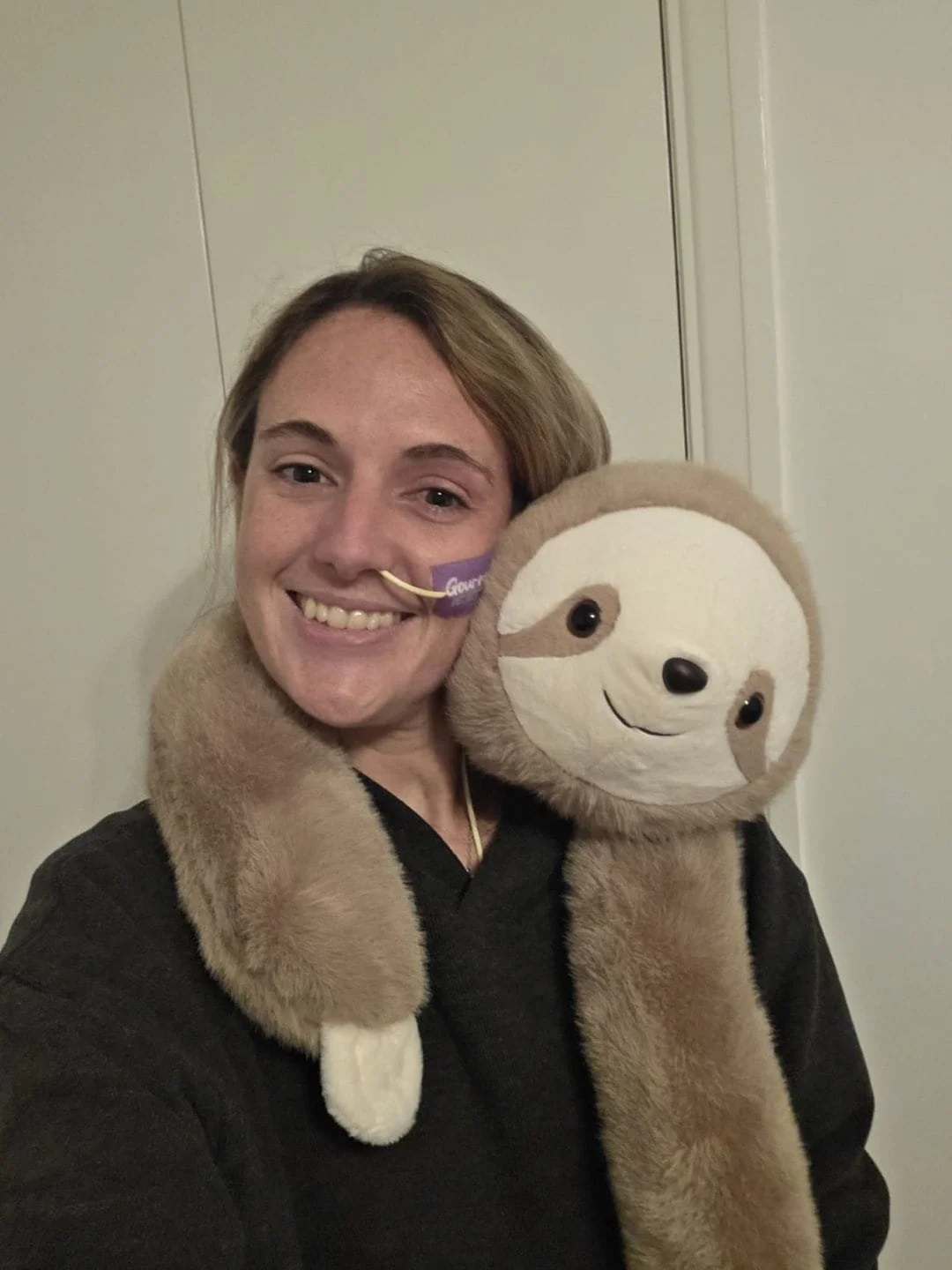
I even began writing a children’s book called Sammy the Sloth’s Slow Tummy, to help kids who are tube-fed or living with chronic illness feel seen and understood. It’s not published yet (and maybe never will be!), but it exists, a small piece of hope for those who need to know they’re not alone.
People often think strength is about speed or doing everything, but sometimes it’s about still showing up, even if all you can do that day is breathe and hang on.
For me, sloths aren’t just animals I admire; they represent a way of living that gave me peace when I needed it most. They taught me that slowing down doesn’t mean giving up, it means surviving on your own terms.
-Jessica
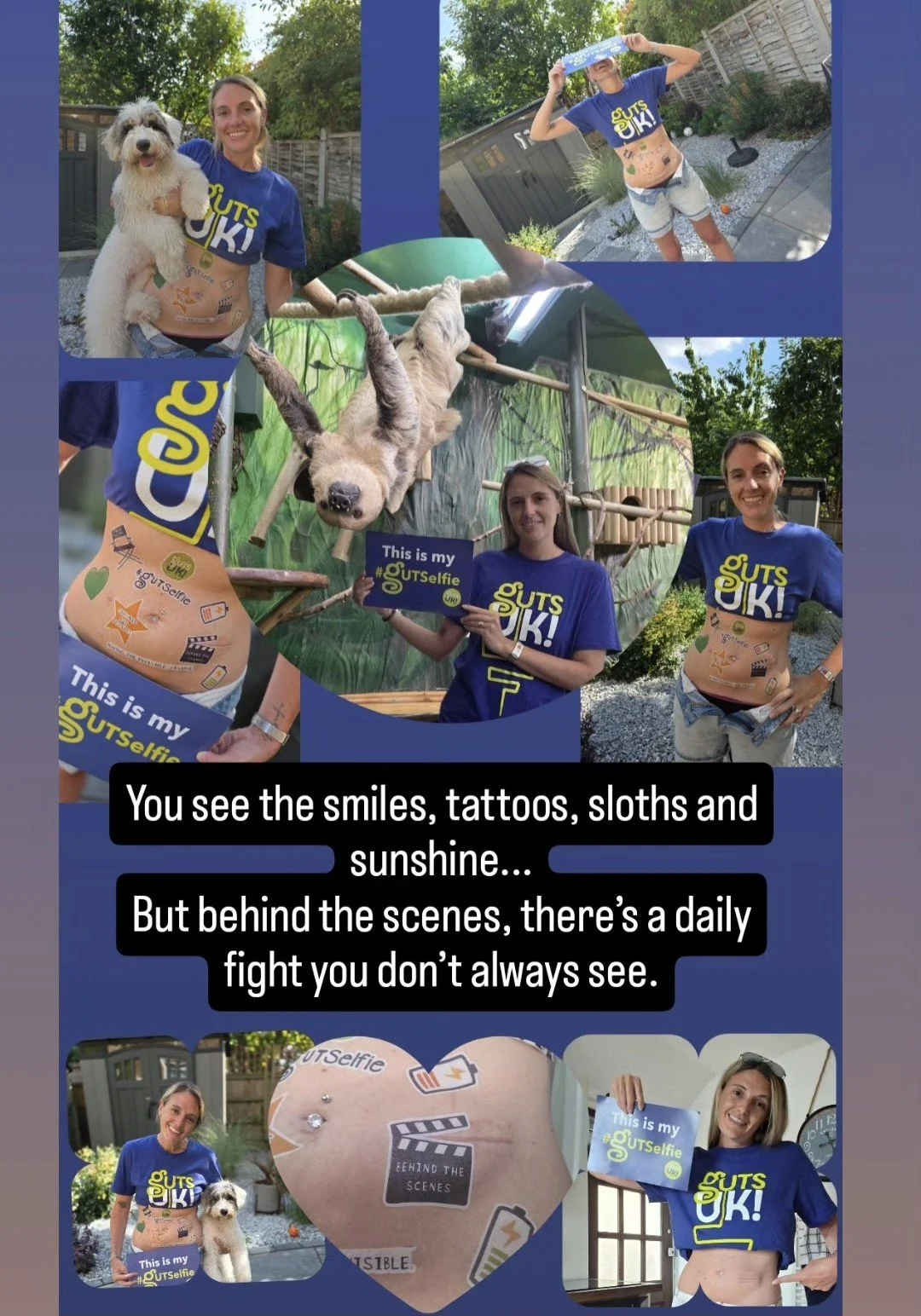
Jessica raises awareness about gastroparesis and provides support to others living with the condition. You can follow her journey on Instagram!
When Sloths Become Symbols of Hope
These are just some of the stories that arrive in our inbox. Sloths are often described as lazy, clumsy, or slow. But many people with ADHD, people on the autism spectrum, and those with different abilities, bodies, realities, or challenges feel represented by an animal that is stronger than it looks and far more fascinating than the stereotypes used to define it.
Sloths fall from the canopy, not just once, but many times throughout their lives. And they climb back up. That requires strength and resilience, qualities shared by so many members of our community.
Thank you for sharing your stories with us. If sloths hold a special meaning for you, we would love to hear your story too!

Join the Sloth Fellowship
If you would like to support sloth research and conservation every month, follow the sloths we are monitoring, and connect with people around the world who share your love for them, you can join the Sloth Fellowship. Together, we can help keep sloths wild and free in the rainforests they call home.
